


x































작품의 원본 비율을 유지하는 미리 설정된 크기 중에서 선택하세요.

특정 프레임이나 공간에 맞춰 직접 치수를 입력하실 수 있습니다. 선택하신 사이즈가 원본 이미지의 비율과 일치하지 않을 경우, 작품을 크롭(자르기)하거나 이미지를 대칭 또는 단색 채우기로 확장하여 제작합니다. 제작 시작 전, 최종 확인을 위해 디지털 목업이 전송됩니다.
화면상의 미리보기는 실제 크롭이나 확장 상태를 반영하지 않으므로, 최종 구도는 오직 목업을 통해서만 정확하게 확인하실 수 있습니다.
맞춤 사이즈 제작도 가능하지만, 원본 비율을 유지하기 위해서는 사전 정의된 목록에서 치수를 선택하시는 것을 권장합니다.

Harbor View
복제본 크기

Wilhelm Hambuchen (1869-1939), a name perhaps less familiar than some of his contemporaries, nevertheless represents a significant and deeply evocative thread in the tapestry of 19th and early 20th-century German art. Born into a family with artistic roots – his ancestors included painters Georg and Wilhelm Hambüchen – Hambuchen’s journey was one of dedicated observation and meticulous execution, culminating in a remarkable body of work focused primarily on the vibrant maritime life of Prussia, particularly the harbors and fishing communities along the rivers Rhine and Meuse. His paintings aren't merely depictions of scenes; they are windows into a specific time and place, capturing the rhythms of daily existence, the weathered faces of fishermen, and the ever-changing moods of the North Sea.
Hambuchen’s artistic development was largely self-directed. Initially pursuing decorative painting and theater design, he recognized his true passion lay in capturing the essence of nature. Crucially, he eschewed the prevailing academic styles of the time, instead embracing a looser, more expressive brushstroke – a hallmark of the Düsseldorf School of Painting. This approach allowed him to convey not just the visual appearance of his subjects but also their atmosphere and character. He spent countless summers in Katwijk, Netherlands, meticulously studying the local fishing industry, its traditions, and the interplay between man and sea. This dedication resulted in over 300 paintings, a testament to his lifelong commitment.
Hambuchen’s artistic palette is immediately recognizable – dominated by earthy tones: deep blues and greens reflecting the water, ochres and browns mirroring weathered wood and sun-baked earth. He skillfully employed light and shadow to create a sense of depth and realism, capturing the subtle shifts in weather and the play of sunlight on the water. His compositions are often dynamic, filled with movement – boats bobbing on the waves, fishermen hauling nets, children playing along the shore. He wasn’t interested in grand historical narratives; instead, he focused on the intimate details of everyday life within these coastal communities.
A key element of his work is the portrayal of the people themselves. Hambuchen didn't idealize his subjects; he depicted them with honesty and respect, capturing their weariness, resilience, and connection to the sea. Faces are etched with the stories of a life lived close to nature – lines of hardship, joy, and quiet contemplation. These figures aren’t simply background elements but active participants in the unfolding drama of each scene.
Several paintings stand out as particularly compelling examples of Hambuchen's skill and vision. “Harbor View” (1908) offers a panoramic glimpse into a bustling Prussian harbor, teeming with activity and reflecting the importance of maritime trade to the region. “Fishermen unloading the boats” (circa 1920), showcases his ability to capture the physicality of labor and the camaraderie among those involved. “Fishing Boats on the Rhine” (1912) provides a serene yet powerful depiction of river life, highlighting the connection between the land and sea in Prussian society. These works, along with numerous others, collectively paint a rich portrait of a vanishing way of life.
Recurring themes throughout Hambuchen’s oeuvre include the relationship between man and nature, the rhythms of the seasons, and the enduring spirit of the working class. He consistently depicted scenes of industry and leisure intertwined, capturing both the hardships and the joys of coastal communities. His work offers a poignant reminder of Prussia's reliance on its maritime resources and the lives inextricably linked to them.
Hambuchen’s art emerged during a period of significant social and political change in Germany. The rise of industrialization was transforming the country, but traditional rural life continued to hold sway in coastal regions like Prussia. Hambuchen's paintings served as a visual record of this transition, documenting the fading traditions of fishing and shipbuilding while simultaneously celebrating the enduring values of community and resilience.
While not widely recognized during his lifetime, Hambuchen’s work has gained increasing appreciation in recent decades. His meticulous attention to detail, evocative use of color, and honest portrayal of everyday life have earned him a place among the leading artists of the Düsseldorf School. His paintings offer a valuable window into Prussian society and provide a powerful testament to the enduring beauty of maritime landscapes.
Today, his works are held in private collections and museums across Europe, ensuring that the legacy of Wilhelm Hambuchen – a master of capturing the soul of Prussian coastal life – continues to resonate with audiences today.

Explore the rich history of boats in art! Discover symbolism & style from ancient myths to Impressionist masterpieces. Expert insights for collectors at WahooArt.

Commission breathtaking bespoke fantasy art with skilled oil painters. Explore techniques, artist selection & preservation tips. Invest in a unique masterpiece today!

Discover the captivating oil paintings of Peter Graham Li – a contemporary artist celebrated for his masterful use of light, color, and impasto technique. Explore investment potential & curated selections at WahooArt.
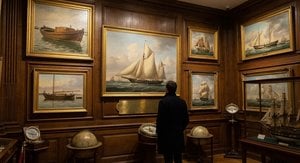
Explore the rich history of boats in art! From ancient symbolism to Impressionist masterpieces & modern visions, discover renowned artists & collecting tips at WahooArt.

Find the perfect retirement gift! Explore handmade oil painting reproductions & custom art at WahooArt. Celebrate a lifetime of achievement with museum-quality artwork that reflects passions and creates lasting memories.


최신 미술 뉴스, 특별 혜택 및 인테리어 아이디어를 가장 먼저 만나보세요.
프로젝트에 대해 알려주시면 저희 미술 전문가들이 맞춤형 아트 제안 3가지를 전달해 드립니다.
당신만을 위한 맞춤형 옵션 3가지를 무료로 추천해 드립니다!
 작품 구매하기
 공유하기
공유하기 공유하기
공유하기
 상세 정보
상세 정보

 다운로드
다운로드
 유사 작품
유사 작품 X-레이
X-레이 슬라이드 쇼
 더 보기
더 보기









 유리 옵션은 110cm 미만 크기에서만 선택 가능합니다.


