

 Literati Painting
 120.0 x 40.0 cm
이 페이지에 표시된 작품은 저작권법의 보호를 받으며, 이에 따라 동일한 복제품을 제작하거나 판매하는 것은 법으로 금지되어 있습니다. 이러한 권리 보호는 다음과 같은 국제 협약에 따라 시행됩니다. 베른 협약 또한 다음에서 명시하는 법률을 포함한 국내법에 의해 보호됩니다. 미국 저작권법 제17조.
저희는 존중을 담은 합법적인 대안으로서, 원작에서 영감을 받은 맞춤형 수제 유화 작품을 제공합니다. 저희의 숙련된 전문 화가들은 원작의 스타일, 분위기, 예술적 정수를 면밀히 연구하여, 그 자체로 독창적인 창작물이면서도 원작과 동일한 감동을 불러일으키는 새로운 작품을 만들어냅니다.
이 방식은 저작권 보호를 받는 예술 작품을 복제하거나 그대로 재현하는 것이 아니기에 저작권 규정을 완벽히 준수합니다. 대신, 이는 창의적인 재해석의 과정을 거칩니다. 즉, 원작에서 영감을 받되 원작과 동일하지 않은 새로운 회화 작품을 의미합니다.
작가가 직접 캔버스에 손으로 그린 유화 작품으로, 원하는 크기와 액자로 맞춤 제작해 드립니다. ( 프린트 판매로 전환 디지털 이미지 판매 채널로 전환)
작품의 원본 비율을 그대로 유지하는 프리셋 사이즈 중에서 선택해 보세요.

액자나 벽면 크기에 맞춰 필요한 가로와 세로 길이를 입력해 주세요. 본 작품은 수작업으로 제작되므로, 요청하신 비율에 따라 작가가 그림의 가장자리를 조금 더 넓게 그리거나 일부를 조정하여 작업할 수 있습니다. 작업 시작 전, 최종 확인을 위해 디지털 목업 이미지를 보내드립니다. 이 페이지에 표시된 이미지는 실제 결과물과 다를 수 있으며, 오직 목업 이미지만이 정확한 결과물을 보여줍니다.
Cat
복제본 규격

In the twilight of the Qing Dynasty and the dawn of the Republican era, a period marked by profound cultural transformation, the works of Wang Li Mu emerged as a serene sanctuary of tradition. Born around 1864 in the vibrant cultural hub of Tianjin, China, Wang was destined for a life where the boundaries between literature and visual art would dissolve. Raised within a family deeply rooted in scholarly pursuits, his early years were defined by a rigorous immersion in classical Confucian learning. This intellectual foundation provided more than just knowledge; it offered him a spiritual vocabulary that would later allow him to translate the intangible essence of nature onto silk and paper. His initial fascination with calligraphy, particularly the rhythmic energy of cursive script, served as the fundamental heartbeat of his artistic development, instilling in him a meticulous reverence for every stroke and a profound understanding of the balance between strength and fluidity.
The artistry of Wang Li Mu is perhaps most profoundly understood through its dialogue with the poetic spirit of Du Mu. Much like the celebrated Tang Dynasty poet, Wang sought to capture the emotional resonance and humanist ideals found within the natural world. His landscapes are not merely topographical records but are lyrical evocations of tranquility, harmony, and the sublime. Through his eyes, a mountain is not just stone and earth, but a vessel for stillness; a river is not just flowing water, but a symbol of the eternal passage of time. This connection to the Tang aesthetic allowed him to bridge the gap between the physical landscape and the internal landscape of the human soul, creating works that resonate with a sense of historical continuity and spiritual depth.
To observe a Wang Li Mu landscape is to witness a masterclass in the controlled spontaneity of ink wash painting. His technique was characterized by an extraordinary ability to manipulate subtle tonal gradations, achieved through the patient layering of translucent washes. This method allowed him to create a sense of atmospheric perspective that feels almost palpable, as if a light mist were perpetually drifting through his valleys. His compositions often feature recurring motifs such as:
The influence of his calligraphic training is inseparable from his painting style. The same energy used to execute a sweeping cursive character can be found in the way he defines a shoreline or a distant ridge. This synthesis of calligraphy and landscape represents the pinnacle of the literati tradition, where the artist's hand serves as a direct conduit for their inner cultivation. In works such as his serene depictions of animals or his intricate gatherings of scholars, one finds an unwavering commitment to sincerity and observation, ensuring that every element of the composition contributes to a larger, unified emotional truth.
As a figure operating during the transition from the late Qing to the early Republican period, Wang Li Mu held a significant place in preserving the integrity of traditional Chinese aesthetics amidst a changing world. While many artists of his era were beginning to look toward Western influences, Wang remained a steadfast guardian of the classical tradition, refining and revitalizing the techniques of his ancestors. His ability to imbue traditional genres with a fresh, lyrical vitality ensured that the spirit of the Tang and Song masters continued to breathe within a modern context.
His historical significance lies in this very act of cultural preservation and poetic expansion. By weaving the rhythmic discipline of calligraphy into the atmospheric depth of landscape painting, he created a body of work that serves as a bridge between eras. Today, his legacy is felt in the enduring power of his imagery—a testament to a life spent seeking the profound within the simple, and finding the eternal within the fleeting strokes of a brush. His works remain vital touchstones for anyone seeking to understand the deep, symbiotic relationship between the Chinese poetic voice and the visual language of the natural world.

Embark on a profound journey through the soul of Chinese calligraphy. Explore the historical mastery of ink, brush, and script, from ancient Zhuanshu to elegant running script, and discover how this timeless art form reflects the enduring spirit of classical East Asian aesthetics.
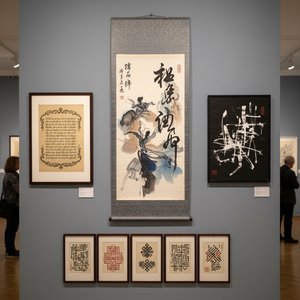
Explore the profound beauty of calligraphy art. From the fluid running script of Chinese masters to historical ink masterpieces, discover how the elegance of line transforms spaces with timeless grace and scholarly sophistication.

Embark on a scholarly journey through the alchemy of lithography. This definitive guide offers collectors profound insights into the chemical mastery of stone and ink, the medium's historical legacy, and essential expertise for acquiring rare, museum-quality prints with absolute confidence.

Discover the art of high-end Giclée and fine art reproductions. Our expert guide explores pigment-based inks, museum-grade substrates, and premium textured prints for the discerning collector seeking archival excellence and unparalleled color fidelity.

Embark on a sophisticated exploration of ink wash painting and Sumi-e. Uncover the profound historical lineages, Zen philosophies, and technical mastery behind this timeless medium in our authoritative guide for fine art enthusiasts.

 실제 크기로 보기
 보내기
보내기 공유하기
공유하기
 상세 보기
상세 보기 가이드 보기

 이미지 다운로드
 유사 작품 더 보기
 X-레이
X-레이 슬라이드 쇼 보기
 통계 정보
통계 정보 상세 보기
상세 보기






































 유리 옵션은 110cm 미만 크기에서만 선택 가능합니다.


