Miners' Houses, Vicinity Birmingham, Alabama – A Snapshot of Resilience
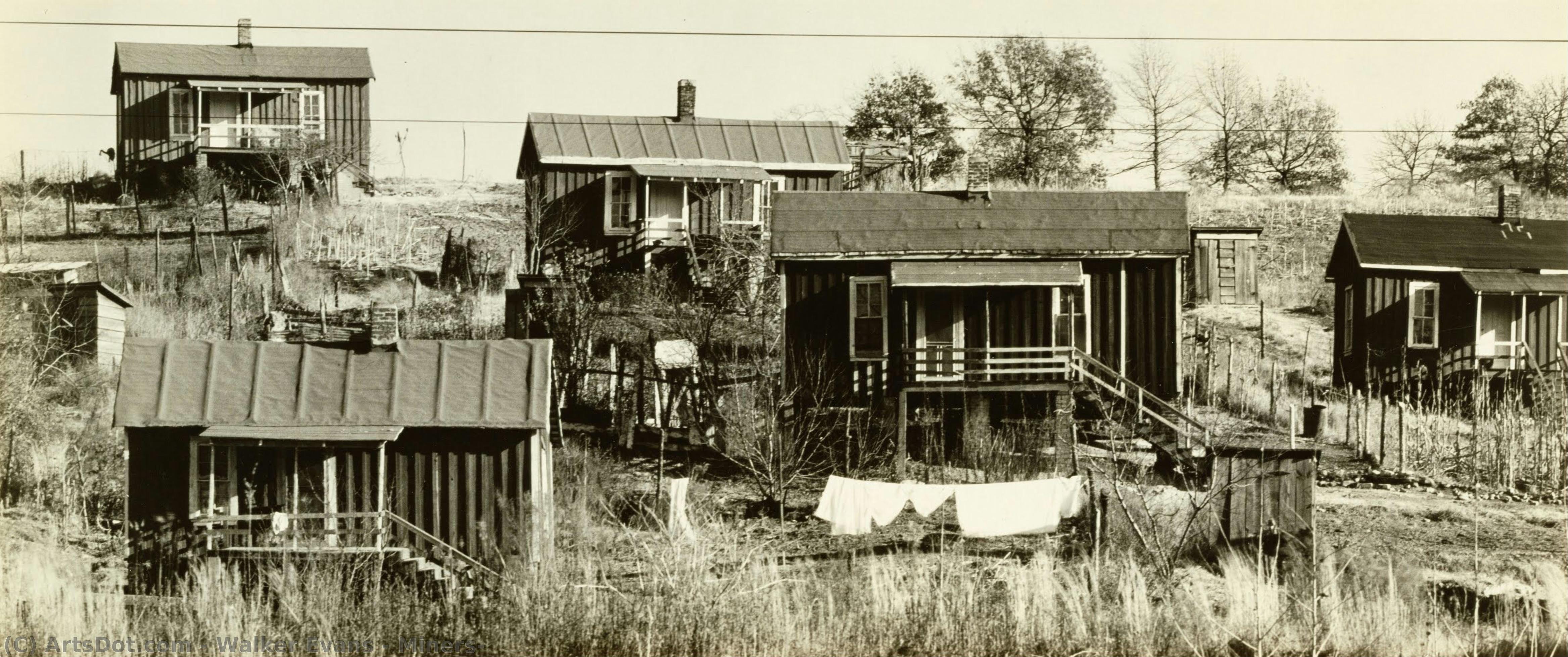
Walker Evans’s photograph “Miners’ Houses, Vicinity Birmingham, Alabama,” created in 1935 during his tenure documenting rural poverty for the Farm Security Administration (FSA), stands as a poignant testament to the human spirit amidst the hardships of the Great Depression. Captured with meticulous detail and bathed in muted grayscale tones, it transcends mere documentation; instead, it embodies an understated beauty rooted in the quiet dignity of everyday life—a stark contrast to the grand narratives often dominating historical portrayals. Evans’s lens focuses on a modest dwelling nestled amongst surrounding houses, revealing a scene that speaks volumes about the resilience of ordinary Americans facing immense economic challenges. The photograph isn't merely visually arresting; it’s imbued with symbolic significance, representing not just physical hardship but also the enduring spirit of community and perseverance.
- Subject Matter: The image depicts a cluster of houses in Birmingham, Alabama—primarily occupied by coal miners—providing insight into the living conditions experienced during this period.
- Style: Evans’s approach aligns with his signature style – Photorealism – prioritizing accuracy and capturing the essence of the subject matter without embellishment. He eschewed artistic interpretation for a truthful representation of reality.
- Technique: Executed as a gelatin silver print, Evans utilized a technique known for its tonal range and ability to convey subtle nuances in light and shadow. This meticulous process ensured that every detail was faithfully reproduced, contributing to the photograph’s profound impact.
Birmingham during the Depression experienced significant economic decline due to the collapse of coal mining industries—a crucial sector supporting Alabama's economy. Evans’s FSA assignment aimed to document these struggles and portray the lives of vulnerable communities with compassion and honesty. The composition itself is deliberately restrained, emphasizing the simplicity of the architecture and highlighting the human element within the scene. Notice the clothesline stretching across the porch – a symbol of domestic life and labor amidst adversity—a quiet reminder of daily routines and aspirations for normalcy.
Historical Context: Evans’s work emerged during a pivotal moment in American history, coinciding with FDR's New Deal initiatives designed to alleviate poverty and stimulate economic recovery. The FSA photographs served as crucial propaganda tools, shaping public perception of the Depression and fostering empathy for those affected by its devastating consequences. They are considered foundational documents in visual culture, influencing subsequent artistic movements and continuing to inspire discussion about social justice and representation.
Emotional Impact: Despite its understated aesthetic, “Miners’ Houses” possesses a remarkable emotional resonance. The photograph evokes feelings of melancholy yet simultaneously conveys an unwavering spirit—a quiet determination to endure hardship with dignity and grace. Evans's masterful use of light and shadow creates a sense of intimacy, inviting viewers into the lives of these miners and fostering contemplation on themes of vulnerability, resilience, and the importance of preserving human connection amidst challenging circumstances. It’s a photograph that lingers in the mind long after viewing, prompting reflection on the enduring values of compassion and perseverance.
## Further Exploration: Birmingham's Coal Mining Legacy
Birmingham’s history as a coal mining center stretches back centuries, shaping its cultural identity and economic landscape. The photograph captures a snapshot of this era—a time when families relied heavily on coal mining for survival, facing considerable difficulties but maintaining an unwavering commitment to their communities. Examining the broader context reveals the significance of Evans's image as part of a larger effort to document the human experience during the Great Depression.
- Birmingham’s Industry: Before the 20th century, Birmingham was primarily known for its iron ore smelting and textile production—industries that provided employment opportunities but also subjected workers to hazardous conditions.
- The FSA Mission: The Farm Security Administration's goal was to combat poverty through photography – documenting rural America’s hardships while simultaneously promoting social reform. Evans’s work exemplifies this commitment, presenting a truthful portrayal of daily life during the Depression.
Notable Sites: Visitors can explore Birmingham’s Coal Miners’ Heritage Trail—a journey tracing the history of coal mining in Alabama and its impact on the region's social fabric. The Birmingham Civil Rights Institute commemorates the city’s role in the American Civil Rights Movement, highlighting the struggles for equality and justice faced by African Americans during this transformative period.
## Artistic Influence: Evans's Legacy Beyond Photography
Walker Evans’s influence extends far beyond his photographic oeuvre—he profoundly impacted subsequent generations of artists who embraced Photorealism and Minimalism. His meticulous attention to detail and rejection of stylistic conventions established a new standard for visual representation, inspiring artists to prioritize accuracy and emotional resonance over decorative embellishment.
- Minimalist Aesthetic: Evans’s approach paved the way for Minimalist art—characterized by simplicity, geometric forms, and an absence of ornamentation—reflecting a broader cultural shift toward austerity and intellectual contemplation.
- Photorealism's Roots: His commitment to capturing reality with unflinching honesty solidified Photorealism as a dominant artistic movement in the mid-20th century—a style that sought to reproduce images with astonishing precision, mirroring the visual world around us.
Evans’s enduring legacy serves as a reminder of the power of photography to document history and convey profound human emotions—a testament to his visionary artistry and its lasting impact on the trajectory of modern art.
## Reproductions & Artistic Interpretations: Bringing Evans's Vision Home
Reproductions of “Miners’ Houses” are available in various sizes and formats, allowing collectors and interior designers alike to incorporate this iconic image into their spaces—celebrating both artistic heritage and Alabama’s industrial past. Consider framing the print in a neutral tone to complement its understated aesthetic—enhancing its visual impact while honoring Evans's original intention.



 프린트 구매
 공유하기
공유하기 공유하기
공유하기
 상세 정보
상세 정보

 다운로드
다운로드
 유사 작품
유사 작품 슬라이드 쇼


 더 보기
더 보기






































 유리 옵션은 110cm 미만 크기에서만 선택 가능합니다.





