
x































작품의 원본 비율을 유지하는 미리 설정된 크기 중에서 선택하세요.

특정 프레임이나 공간에 맞도록 직접 크기를 입력할 수 있습니다. 선택하신 크기가 원본 이미지의 비율과 일치하지 않는 경우, 작품을 자르거나 추가적인 손으로 그린 요소를 사용하여 그림을 확장합니다. 제작 시작 전 승인을 위해 디지털 목업을 보내드립니다.
화면 미리 보기는 실제 자르기 또는 확장을 반영하지 않습니다. 최종 구성은 목업을 통해서만 정확하게 확인하실 수 있습니다.
맞춤 크기 제작도 가능하지만, 원본 비율을 유지하기 위해 사전 정의된 목록에서 크기를 선택하시는 것을 권장합니다.

Let Us Now Praise Famous Men
복제본 크기
Walker Evans' "Let Us Now Praise Famous Men," born from a 1936 assignment for *Fortune* magazine, isn’t merely a photographic record; it’s a profound meditation on the dignity of human existence amidst crushing poverty. Published in 1941, this seminal work transcends its documentary origins to become a hauntingly beautiful exploration of rural America during the Great Depression. Evans, initially tasked with capturing the realities of sharecropping families in Alabama, quickly recognized that simply documenting hardship wasn’t enough. He sought to reveal something deeper – the quiet strength and enduring spirit of individuals facing unimaginable challenges.
The photographs themselves are characterized by a stark, almost brutal honesty. Evans employed his large-format 8x10 view camera, a deliberate choice that demanded meticulous attention to detail and forced him to truly *see* his subjects. The images aren’t romanticized; they present the families in their rawest state – weathered faces etched with worry, threadbare clothing clinging to gaunt bodies, humble dwellings offering little protection from the elements. Yet, within this austerity lies a remarkable grace. Evans's masterful use of light and shadow, coupled with his deliberate cropping and composition, elevates these portraits beyond simple documentation, transforming them into powerful statements about human endurance.
Crucially, "Let Us Now Praise Famous Men" is a collaborative effort between photographer Walker Evans and writer James Agee. Initially rejected by *Fortune* for its unconventional approach – eschewing sensationalism in favor of nuanced observation – the project was eventually published as a book, with Agee’s accompanying text providing invaluable context and emotional depth. Agee's writing isn’t simply descriptive; it’s deeply empathetic, offering glimpses into the families’ lives through intimate conversations and detailed observations. He avoids judgment, instead focusing on capturing their humanity – their hopes, fears, and quiet dignity.
The dynamic between Evans and Agee is a fascinating one. Evans, often described as a reticent and solitary figure, provided the visual anchor of the project, while Agee served as the interpreter, weaving together the photographs with his prose to create a cohesive narrative. Their partnership represents a rare example of artistic synergy – a testament to the power of collaboration in capturing truth and conveying complex emotions.
“Let Us Now Praise Famous Men” is inextricably linked to the historical context of the Great Depression and the New Deal era. The photographs offer a stark visual representation of the economic devastation that gripped America during this period, exposing the plight of countless rural families who had been displaced by industrialization and left vulnerable in the wake of the Dust Bowl. The title itself – borrowed from Sirach— carries significant weight, suggesting a recognition of the inherent worth and dignity of these individuals, elevating them beyond mere statistics.
Beyond the immediate circumstances of poverty, the images resonate with broader themes of displacement, resilience, and the search for meaning in a rapidly changing world. The simple, almost austere settings – the dilapidated shacks, the barren fields – evoke a sense of isolation and vulnerability, while the subjects’ unwavering gaze conveys an enduring spirit of hope.
The impact of “Let Us Now Praise Famous Men” extends far beyond its initial publication. It profoundly influenced generations of photographers, writers, and artists, establishing a new standard for documentary photography that prioritized empathy, observation, and the dignity of the subject. Aaron Copland’s opera, *The Tender Land*, directly inspired by the book, stands as a testament to its enduring power.
Today, reproductions of Evans' photographs continue to captivate audiences worldwide, serving as poignant reminders of America’s past and offering valuable insights into the human condition. Whether displayed in a museum or adorning a wall, “Let Us Now Praise Famous Men” remains a powerful and enduring work of art – a testament to the resilience of the human spirit and the transformative power of photography.


1903 - 1975 , 미국

베니스 비엔날레 최고 명작 25선을 만나보세요. 유명 화가들의 숨겨진 이야기와 추상화, 모던 아트 등 예술 작품의 깊이를 탐구합니다. WahooArt에서 고품질 미술 컬렉션을 감상하고 특별한 인테리어를 완성하세요! 지금 바로 온라인으로 둘러보기.
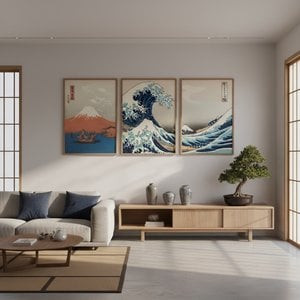
가츠시카 호쿠사이의 최고 걸작 25선을 만나보세요. 우키요에, 대판화 기법과 후지산 풍경의 아름다움을 담은 명작들을 감상하고, WahooArt에서 고품질 아트 프린트와 인테리어 액자를 찾아보세요. 지금 바로 컬렉션을 탐험하세요!
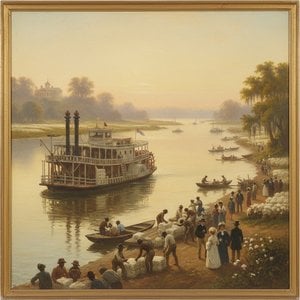
Explore the evocative paintings of William Aiken Walker, a master of Southern Luminism. Discover his poignant depictions of post-Civil War life, African American culture & antebellum landscapes. Learn about this important artist's legacy.

Explore 10 defining documentary photography masterpieces – from Dorothea Lange to Robert Capa. Discover powerful stories, iconic images & timeless art for your home. Museum-quality prints at .

클로드 모네의 시대를 초월한 걸작 25선을 만나보세요. 인상주의 화가 모네의 빛과 색채, 그리고 숨겨진 이야기를 WahooArt에서 감상하세요. 거실, 침실을 위한 고급 미술 작품 컬렉션을 지금 바로 탐험해보세요! WahooArt.com


최신 미술 뉴스, 특별 혜택 및 인테리어 아이디어를 가장 먼저 만나보세요.
프로젝트에 대해 알려주시면 저희 미술 전문가들이 맞춤형 아트 제안 3가지를 전달해 드립니다.
당신만을 위한 맞춤형 옵션 3가지를 무료로 추천해 드립니다!


 미리보기
미리보기
 프린트 구매
 공유하기
공유하기 공유하기
공유하기
 상세 정보
상세 정보

 다운로드
다운로드
 유사 작품
유사 작품 X-레이
X-레이 슬라이드 쇼


 더 보기
더 보기









 유리 옵션은 110cm 미만 크기에서만 선택 가능합니다.


