
x


빠른 제작과 다양한 마감 옵션을 제공하는 박물관 품질의 지클레이 또는 캔버스 프린트. ( 손으로 그린 그림 구매 이미지 구매)
작품의 원본 비율을 유지하는 미리 설정된 크기 중에서 선택하세요.

특정 프레임이나 공간에 맞춰 직접 치수를 입력하실 수 있습니다. 선택하신 사이즈가 원본 이미지의 비율과 일치하지 않을 경우, 작품을 크롭(자르기)하거나 이미지를 대칭 또는 단색 채우기로 확장하여 제작합니다. 제작 시작 전, 최종 확인을 위해 디지털 목업이 전송됩니다.
화면상의 미리보기는 실제 크롭이나 확장 상태를 반영하지 않으므로, 최종 구도는 오직 목업을 통해서만 정확하게 확인하실 수 있습니다.
맞춤 사이즈 제작도 가능하지만, 원본 비율을 유지하기 위해서는 사전 정의된 목록에서 치수를 선택하시는 것을 권장합니다.

Let Us Now Praise Famous Men
복제본 크기
Walker Evans' "Let Us Now Praise Famous Men," born from a collaboration between the photographer and writer James Agee in 1936-37, isn’t merely a collection of photographs; it’s a profound meditation on poverty, resilience, and the fractured landscape of the American South during the Great Depression. The work, initially conceived as an article for *Fortune* magazine, ultimately transcended its journalistic origins to become a seminal text in documentary photography and a poignant exploration of human dignity amidst hardship. Evans' approach was revolutionary – he eschewed posed portraits and staged compositions, instead capturing his subjects in their raw, everyday lives, revealing the quiet dignity and heartbreaking realities of sharecropping families in Hale County, Alabama.
The images themselves are characterized by a stark, almost brutal honesty. Evans’ use of the large-format 8x10 view camera allowed for meticulous detail, capturing the weathered faces, threadbare clothing, and humble dwellings of these tenant farmers. His technique is defined by its directness: subjects are presented without embellishment or sentimentality. The black and white palette amplifies the textures – the rough bark of trees, the worn fabric of overalls, the dust-covered earth – creating a tactile experience for the viewer. The photographs aren’t beautiful in a conventional sense; they possess an austere power that forces us to confront the uncomfortable truths of economic disparity and social injustice.
Evans’ style is deeply rooted in Modernism, yet he transcends purely formal concerns. He wasn’t interested in creating aesthetically pleasing images; his primary goal was to document reality with unflinching accuracy. This commitment to truthfulness is evident in the deliberate cropping and composition of each photograph – often framing subjects within their environment, emphasizing their isolation and vulnerability. His use of light is equally significant, favoring diffused natural light that reveals subtle details and textures without creating harsh shadows. The photographs possess a remarkable sense of stillness, capturing fleeting moments of everyday life with an almost meditative quality.
Crucially, Evans resisted the imposition of narrative or judgment. He didn’t attempt to romanticize or simplify the lives he documented; instead, he presented them as they were – complex, challenging, and profoundly human. This approach was a deliberate departure from prevailing photographic conventions of the time, which often sought to portray subjects in an idealized or heroic light. Evans' work stands as a testament to the power of observation and the importance of allowing subjects to speak for themselves.
While seemingly straightforward, “Let Us Now Praise Famous Men” is rich with symbolic meaning. The title itself – taken from Sirach—references a tradition of honoring those who have achieved greatness, but in Evans’s context, it suggests a recognition of the quiet heroism of ordinary people facing extraordinary circumstances. The photographs evoke a sense of nostalgia for a lost way of life, while simultaneously exposing the systemic inequalities that perpetuate poverty and hardship. The dust storms depicted in many images serve as a potent metaphor for the economic and social turmoil gripping the nation.
Beyond their historical significance, Evans’s photographs possess a deeply emotional resonance. They invite viewers to empathize with the subjects he documented – to recognize their humanity and appreciate their resilience. The starkness of the images forces us to confront our own assumptions about poverty and privilege, prompting reflection on the social responsibility we all share.
Today, “Let Us Now Praise Famous Men” remains a landmark achievement in photographic history. WahooArt offers meticulously crafted hand-painted reproductions of Evans’s iconic images, allowing you to experience the power and beauty of this seminal work in your own home or studio. These reproductions capture not only the visual details but also the emotional depth and historical context of the original photographs. Whether displayed as a statement piece or incorporated into a broader interior design scheme, these reproductions serve as a reminder of Evans’s profound insights into the American experience – a testament to the enduring power of photography to illuminate truth and evoke empathy.


1903 - 1975 , 미국
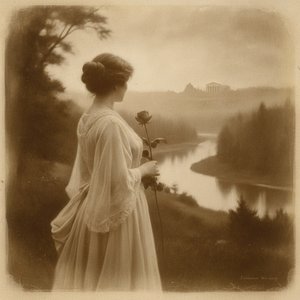
Explore the profound history of Pictorialism, the revolutionary movement that elevated photography to a fine art. Uncover how visionaries used painterly techniques and soft focus to transcend mere documentation, imbuing the lens with the emotional depth of classical masterpieces.

Explore the profound artistry of black and white photography. From historical mastery to the interplay of light and shadow, discover how monochrome captures timeless emotion and form through a sophisticated lens of art history.

Explore the profound evolution of contemporary photography through a connoisseur's lens. From monochrome mastery to digital innovation, discover how modern photographic works shape fine art collections and define our cultural legacy.


최신 미술 뉴스, 특별 혜택 및 인테리어 아이디어를 가장 먼저 만나보세요.
프로젝트에 대해 알려주시면 저희 미술 전문가들이 맞춤형 아트 제안 3가지를 전달해 드립니다.
당신만을 위한 맞춤형 옵션 3가지를 무료로 추천해 드립니다!


 공유하기
공유하기 공유하기
공유하기
 상세 정보
상세 정보

 다운로드
다운로드
 유사 작품
유사 작품 슬라이드 쇼


 더 보기
더 보기






































 유리 옵션은 110cm 미만 크기에서만 선택 가능합니다.


