
빠른 제작과 다양한 마감 옵션을 제공하는 박물관 품질의 지클레이 또는 캔버스 프린트. ( 손으로 그린 그림 구매 디지털 이미지로 전환)





























작품의 원본 비율을 유지하는 미리 설정된 크기 중에서 선택하세요.

특정 프레임이나 공간에 맞춰 직접 치수를 입력하실 수 있습니다. 선택하신 사이즈가 원본 이미지의 비율과 일치하지 않을 경우, 작품을 크롭(자르기)하거나 이미지를 대칭 또는 단색 채우기로 확장하여 제작합니다. 제작 시작 전, 최종 확인을 위해 디지털 목업이 전송됩니다.
화면상의 미리보기는 실제 크롭이나 확장 상태를 반영하지 않으므로, 최종 구도는 오직 목업을 통해서만 정확하게 확인하실 수 있습니다.
맞춤 사이즈 제작도 가능하지만, 원본 비율을 유지하기 위해서는 사전 정의된 목록에서 치수를 선택하시는 것을 권장합니다.

Vase et fleurs
복제본 크기
“Vase with Flowers,” painted circa 1886 by Vincent van Gogh, stands as a quintessential example of his artistic vision—a deceptively simple composition brimming with profound observation and imbued with an unmistakable emotional resonance. More than just a depiction of botanical subjects arranged in vases, it’s a meditation on beauty, fragility, and the artist's unwavering commitment to capturing fleeting moments of sensory experience.
While often categorized as Impressionistic due to Van Gogh’s masterful use of color—particularly vibrant hues of pink, yellow, and green—the painting transcends easy stylistic classifications. He skillfully blends Impressionistic techniques with a grounding in Realistic observation. Unlike purely abstract explorations of light and atmosphere championed by Monet or Renoir, “Vase with Flowers” prioritizes accuracy in portraying the textures and forms of the flowers themselves. Thick impasto—a technique where paint is applied in bold, textured strokes—dominates the surface, creating palpable physicality and conveying a sense of immediacy.
Painted during Van Gogh’s prolific period in Paris, “Vase with Flowers” reflects his burgeoning engagement with Impressionism alongside his continued fascination with Naturalistic representation. Influenced by artists like Jean-François Millet and Gustave Courbet—who championed depictions of rural life and honest portrayals of everyday subjects—Van Gogh sought to elevate the humble still life genre into a vehicle for conveying deeper psychological truths. This ambition aligns perfectly with his broader artistic mission: to express emotion directly through visual form, rejecting academic conventions in favor of unfiltered sincerity.
The carefully chosen colors within the vase—the dominant greens symbolizing growth and vitality alongside splashes of pink and yellow conveying warmth and joy—are laden with symbolic significance. The inclusion of a blue ribbon around one vase adds an element of elegance and restraint, perhaps representing Van Gogh’s own internal struggles amidst his artistic triumphs. Furthermore, the arrangement of the flowers itself speaks to themes of beauty, decay, and the cyclical nature of life—mirroring observations found in Japanese prints that captivated Van Gogh during this period.
Ultimately, “Vase with Flowers” succeeds as an artwork because it transcends mere visual representation. It invites contemplation on themes of beauty and emotion. The textured surface captures the artist’s palpable passion for his subject matter—a testament to Van Gogh's unwavering belief in the transformative power of art. Viewing this painting evokes a feeling of serenity mingled with melancholy, reminding us that even amidst fleeting moments of splendor, there resides an underlying awareness of mortality.


1853 - 1890 , 네덜란드
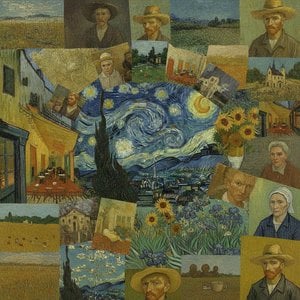
Immerse yourself in the vibrant world of Vincent van Gogh. Explore 25 iconic Post-Impressionist masterpieces, from Starry Night to Sunflowers. Discover the stories and techniques behind these timeless works and find museum-quality art reproductions on WahooArt.com.

Journey through history with 10 iconic floral masterpieces. From Monet’s water lilies to Van Gogh’s sunflowers, explore the stories behind these timeless blooms. Find museum-quality art reproductions and decor inspiration. Discover all masterpieces on WahooArt.com.

Immerse yourself in the luminous world of Laurent Fabre. Explore 25 iconic Neo-Abstract masterpieces defined by geometric precision and chromatic harmony. Find inspiration for your space with museum-quality art reproductions. Discover all masterpieces on WahooArt.com.

Immerse yourself in the vibrant world of Alexej von Jawlensky. Explore 25 iconic Expressionist masterpieces, from emotive portraits to bold colors. Find inspiration for your collection with museum-quality art reproductions at WahooArt.com. Discover all masterpieces online.


 미리보기
미리보기
 공유하기
공유하기 공유하기
공유하기
 상세 정보
상세 정보 가이드 보기

 다운로드
다운로드
 유사 작품
유사 작품 X-레이
X-레이 슬라이드 쇼
 통계 정보
통계 정보

 더 보기
더 보기









 유리 옵션은 110cm 미만 크기에서만 선택 가능합니다.


