원하는 크기와 액자로 주문 제작되는, 작가들이 직접 캔버스에 손으로 그린 유화 작품입니다. ( 프린트 판매로 전환 디지털 이미지로 전환)





























작품의 원본 비율을 유지하는 미리 설정된 크기 중에서 선택하세요.

특정 프레임이나 공간에 맞도록 직접 크기를 입력할 수 있습니다. 선택하신 크기가 원본 이미지의 비율과 일치하지 않는 경우, 작품을 자르거나 추가적인 손으로 그린 요소를 사용하여 그림을 확장합니다. 제작 시작 전 승인을 위해 디지털 목업을 보내드립니다.
화면 미리 보기는 실제 자르기 또는 확장을 반영하지 않습니다. 최종 구성은 목업을 통해서만 정확하게 확인하실 수 있습니다.
맞춤 크기 제작도 가능하지만, 원본 비율을 유지하기 위해 사전 정의된 목록에서 크기를 선택하시는 것을 권장합니다.

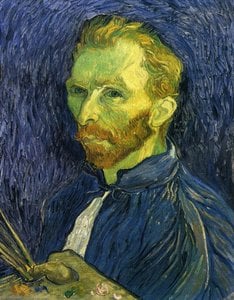
Self whitney
복제본 크기
In the evocative portrait known as "Self Whitney," we are invited into an intimate encounter with one of history's most turbulent and brilliant minds. This piece captures Vincent van Gogh during a pivotal, yet deeply personal, chapter of his life in New York City. Rather than a mere photographic likeness, the painting serves as a window into the artist's psyche, presenting a man whose outward appearance—neatly trimmed beard, simple blue shirt, and formal tie—belies the profound inner storm raging beneath the surface. As he sits squarely facing the viewer, his gaze is both piercing and contemplative, creating an immediate, magnetic connection that pulls the observer into his world of intense observation and quiet reflection.
The technical mastery of this work lies in its profound use of impasto, a technique where paint is applied in thick, sculptural layers. This method does more than just add texture; it breathes life into the canvas. The brushstrokes do not merely sit upon the surface but ripple and surge across the composition, mirroring the rhythmic fluctuations of Van Gogh’s own emotional state. Through this heavy application of pigment, the artist achieves a tactile quality that makes the portrait feel alive, as if the very energy of his thoughts is being physically pressed into the fabric. This bold, expressive style moves far beyond the fleeting light of Impressionism, leaning instead toward an early form of Expressionism where color and texture are used to communicate raw, unadulterated feeling.
Every element within "Self Whitney" is imbued with a deeper layer of meaning, particularly the delicate way he holds a pencil in his hand. This small detail acts as a potent symbol of his enduring creative spirit and his role as an observer of the human condition. The pencil represents the bridge between thought and reality, a tool for capturing the fleeting impressions of his American expedition. It also hints at his profound need for connection—a longing to communicate through letters and sketches to his brother, Theo, amidst the isolation of a new and overwhelming environment.
For collectors and interior designers alike, this painting offers more than just aesthetic beauty; it provides a focal point of immense psychological depth. The contrast between the structured attire of the subject and the wild, energetic brushwork creates a sophisticated tension that is perfect for a curated gallery wall or as a commanding centerpiece in a study. To possess a reproduction of such a piece is to bring a sense of historical gravity and emotional resonance into a space, offering an enduring conversation piece that celebrates the triumph of artistic passion over personal adversity.


1853 - 1890 , 네덜란드

Master the nuances of Impressionism vs. Post-Impressionism with our expert guide. Explore the revolutionary shift from Monet’s fleeting light to Van Gogh’s emotional depth. Discover how these iconic movements continue to inspire fine art collectors and modern interiors today.


 미리보기
미리보기
 공유하기
공유하기 공유하기
공유하기
 상세 정보
상세 정보

 다운로드
다운로드
 유사 작품
유사 작품 X-레이
X-레이 슬라이드 쇼
 통계 정보
통계 정보

 더 보기
더 보기









 유리 옵션은 110cm 미만 크기에서만 선택 가능합니다.