빠른 제작과 다양한 마감 옵션을 제공하는 박물관 품질의 지클레이 또는 캔버스 프린트. ( 손으로 그린 그림 구매 디지털 이미지로 전환)





























작품의 원본 비율을 유지하는 미리 설정된 크기 중에서 선택하세요.

특정 프레임이나 공간에 맞춰 직접 치수를 입력하실 수 있습니다. 선택하신 사이즈가 원본 이미지의 비율과 일치하지 않을 경우, 작품을 크롭(자르기)하거나 이미지를 대칭 또는 단색 채우기로 확장하여 제작합니다. 제작 시작 전, 최종 확인을 위해 디지털 목업이 전송됩니다.
화면상의 미리보기는 실제 크롭이나 확장 상태를 반영하지 않으므로, 최종 구도는 오직 목업을 통해서만 정확하게 확인하실 수 있습니다.
맞춤 사이즈 제작도 가능하지만, 원본 비율을 유지하기 위해서는 사전 정의된 목록에서 치수를 선택하시는 것을 권장합니다.

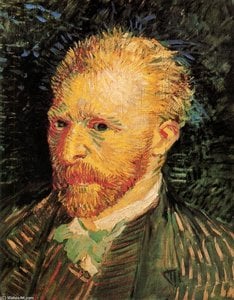
Self-Portrait
복제본 크기
To gaze upon Vincent van Gogh’s 1887 Self-Portrait is to encounter more than a mere likeness; it is to step into a psychological landscape where the boundaries between the artist and his medium begin to dissolve. Painted during his transformative period in Paris, this work serves as a profound testament to a man in the midst of an artistic metamorphosis. While many of his contemporaries were content to capture the fleeting light of the Impressionist movement, Van Gogh used this self-examination to probe much deeper. He does not simply present his face to the viewer; he presents his very essence, inviting us into a silent dialogue with his turbulent inner world. The piercing gaze that meets our eyes is both a challenge and a confession, capturing a moment of intense vulnerability and unyielding determination.
The technical mastery displayed in this piece is nothing short of hypnotic. Utilizing the impasto technique, Van Gogh applied oil paint with a rhythmic, almost sculptural intensity. Each stroke is visible, creating a textured surface that breathes with life and movement. These thick, swirling applications of pigment do more than just define the contours of his face; they mirror the undulating energy of his thoughts. The palette is a masterful study in contrast, where vibrant yellows and deep blues dance against earthy greens, creating a visual tension that keeps the eye perpetually moving across the canvas. This deliberate use of color serves to heighten the emotional stakes, oscillating between the warmth of creative optimism and the cool shadows of melancholy.
Beyond the surface level of paint and pigment, the 1887 Self-Portrait functions as a symbolic map of the artist's evolving identity. The unkempt hair and the rugged texture of his beard are not merely physical attributes but symbols of a life lived with raw, unfiltered passion. There is an inherent honesty in the way he depicts himself—without the polished veneer of traditional portraiture. For collectors and lovers of fine art, this piece represents the very foundation of Post-Impressionism, marking the moment where art shifted from objective observation to subjective expression. It is a cornerstone of modern art history, embodying the transition from capturing what the eye sees to articulating what the heart feels.
For those seeking to bring a sense of profound depth and historical significance into a curated space, this reproduction offers an unparalleled opportunity. Whether placed in a contemporary gallery setting or a classic study, the painting acts as a focal point of intellectual and emotional gravity. It provides more than just decoration; it provides a conversation piece that speaks to the resilience of the human spirit and the transformative power of creativity. To possess such a work is to hold a fragment of a legend, a window into a soul that continues to inspire awe, empathy, and wonder in all who behold it.

1853 - 1890 , 네덜란드

Discover the profound emotional depth of Post-Impressionist landscapes. Explore how masters like Van Gogh revolutionized art through vibrant color, textured impasto, and symbolic expression in this expert guide to the movement that redefined modern art history.

Explore the profound emotional depth of Van Gogh's impasto technique. Discover how his sculptural brushstrokes and textured oil layers define Post-Impressionism through an expert art-historical lens, perfect for discerning collectors and fine art enthusiasts.


 미리보기
미리보기
 공유하기
공유하기 공유하기
공유하기
 상세 정보
상세 정보 가이드 보기

 다운로드
다운로드
 유사 작품
유사 작품 X-레이
X-레이 슬라이드 쇼
 통계 정보
통계 정보

 더 보기
더 보기









 유리 옵션은 110cm 미만 크기에서만 선택 가능합니다.