원하는 크기와 액자로 주문 제작되는, 작가들이 직접 캔버스에 손으로 그린 유화 작품입니다. ( 프린트 판매로 전환 디지털 이미지로 전환)





























작품의 원본 비율을 유지하는 미리 설정된 크기 중에서 선택하세요.

특정 프레임이나 공간에 맞도록 직접 크기를 입력할 수 있습니다. 선택하신 크기가 원본 이미지의 비율과 일치하지 않는 경우, 작품을 자르거나 추가적인 손으로 그린 요소를 사용하여 그림을 확장합니다. 제작 시작 전 승인을 위해 디지털 목업을 보내드립니다.
화면 미리 보기는 실제 자르기 또는 확장을 반영하지 않습니다. 최종 구성은 목업을 통해서만 정확하게 확인하실 수 있습니다.
맞춤 크기 제작도 가능하지만, 원본 비율을 유지하기 위해 사전 정의된 목록에서 크기를 선택하시는 것을 권장합니다.

Self-portrait
복제본 크기
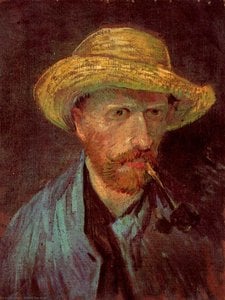
This self-portrait, created by Vincent van Gogh in 1887, offers an intimate glimpse into the artist’s psyche during a pivotal period of his artistic development. It is characterized by the intense emotionality and distinctive brushwork that would come to define his signature post-impressionistic style. The artwork stands as a testament to Van Gogh's relentless self-examination and his evolving mastery of color and texture.
The painting exemplifies the core tenets of post-impressionism, moving beyond the purely optical concerns of impressionism to explore subjective emotions and symbolic meaning. Van Gogh’s technique is immediately recognizable through his use of short, broken brushstrokes applied with a palpable energy. These strokes aren't blended smoothly; instead, they remain distinct, creating a vibrant, textured surface that seems almost sculptural. The colors are bold and expressive – greens, blues, reds, and oranges intermingle to convey not just the appearance of Van Gogh’s face but also his inner state. This technique, influenced by Georges Seurat's pointillism, is transformed in Van Gogh's hands into a powerful tool for emotional expression.
This self-portrait was painted during a period of significant change and experimentation for Van Gogh. Having recently moved from the Netherlands to Paris, he was immersed in the vibrant artistic scene and exposed to new ideas and techniques. He absorbed influences from Impressionism and Neo-Impressionism but ultimately forged his own unique path, rejecting their purely observational approach in favor of a more emotionally charged style. The portrait reflects this transition – it’s an early example of his signature brushwork, hinting at the intensity that would characterize his later works.
Beyond its aesthetic qualities, the self-portrait carries a profound symbolic weight. Van Gogh's intense gaze, captured with remarkable directness, conveys a sense of introspection and vulnerability. The swirling background, rendered in dynamic brushstrokes, suggests an underlying emotional turbulence – a reflection of the artist’s struggles with mental health. The choice to depict himself so closely cropped emphasizes his face and expression, drawing the viewer into a deeply personal encounter. It is not merely a likeness; it's a window into Van Gogh's soul, revealing both his artistic genius and his inner turmoil.
This self-portrait remains one of Van Gogh’s most compelling works, celebrated for its raw emotional power and innovative technique. It exemplifies his ability to transform the act of self-representation into a profound exploration of human experience. The painting continues to resonate with audiences today, offering a poignant glimpse into the life and mind of one of history's greatest artists.


1853 - 1890 , 네덜란드

Master the nuances of Impressionism vs. Post-Impressionism with our expert guide. Explore the revolutionary shift from Monet’s fleeting light to Van Gogh’s emotional depth. Discover how these iconic movements continue to inspire fine art collectors and modern interiors today.

Explore the profound emotional depth of Van Gogh's impasto technique. Discover how his sculptural brushstrokes and textured oil layers define Post-Impressionism through an expert art-historical lens, perfect for discerning collectors and fine art enthusiasts.

Unveil the profound revolution of Post-Impressionism. Explore how masters like Van Gogh and Cézanne utilized bold colors and emotional depth to transcend mere representation, laying the foundation for modern art. A sophisticated journey through history's most emotive brushstrokes.


 미리보기
미리보기
 공유하기
공유하기 공유하기
공유하기
 상세 정보
상세 정보 가이드 보기

 다운로드
다운로드
 유사 작품
유사 작품 X-레이
X-레이 슬라이드 쇼
 통계 정보
통계 정보

 더 보기
더 보기









 유리 옵션은 110cm 미만 크기에서만 선택 가능합니다.