
 Oil On CanvasWallArtPost-Impressionism
 188919th Century
 73.0 x 92.0 cm
원하는 크기와 액자로 주문 제작되는, 작가들이 직접 캔버스에 손으로 그린 유화 작품입니다. ( 프린트 판매로 전환 디지털 이미지로 전환)





























작품의 원본 비율을 유지하는 미리 설정된 크기 중에서 선택하세요.

특정 프레임이나 공간에 맞도록 직접 크기를 입력할 수 있습니다. 선택하신 크기가 원본 이미지의 비율과 일치하지 않는 경우, 작품을 자르거나 추가적인 손으로 그린 요소를 사용하여 그림을 확장합니다. 제작 시작 전 승인을 위해 디지털 목업을 보내드립니다.
화면 미리 보기는 실제 자르기 또는 확장을 반영하지 않습니다. 최종 구성은 목업을 통해서만 정확하게 확인하실 수 있습니다.
맞춤 크기 제작도 가능하지만, 원본 비율을 유지하기 위해 사전 정의된 목록에서 크기를 선택하시는 것을 권장합니다.

Lilacs
복제본 크기
Vincent van Gogh's "Lilacs," painted in 1889 while he resided at the Saint-Paul-de-Mausole asylum in Saint-Rémy, is a captivating example of Post-Impressionism. This artwork transcends a simple depiction of flowers; it embodies Van Gogh’s emotional state and his unique artistic vision. The painting currently resides within the esteemed collection of The State Hermitage Museum in Russia.
The year 1889 was a pivotal, yet challenging period for Van Gogh. Following a mental breakdown and self-mutilation, he voluntarily admitted himself to the asylum seeking respite and artistic freedom. Despite his struggles with mental health, this time proved remarkably productive. The asylum's garden became his primary source of inspiration, providing him with subjects like irises, olive trees, and, notably, lilacs. "Lilacs" was created shortly after “Irises,” demonstrating Van Gogh’s rapid immersion into the environment and his eagerness to capture its beauty.
“Lilacs” exemplifies Van Gogh's signature Post-Impressionistic style. Departing from the naturalism of Impressionism, Van Gogh prioritized emotional expression over strict realism. The painting is characterized by bold color choices – vibrant purples, blues, and greens dominate the canvas—and thick, impasto brushstrokes that create a textured surface. These visible brushstrokes aren't merely functional; they contribute to the artwork’s dynamism and convey a sense of movement and energy. The lilacs themselves are not rendered with photographic accuracy but rather as expressive forms imbued with feeling. The background features trees with both lush green foliage and bare branches, symbolizing life and death, growth and decay – themes frequently explored in Van Gogh's work.
Lilacs have long been associated with various symbolic meanings, including first love, nostalgia, renewal, and the fleeting nature of time. Van Gogh’s choice of subject matter likely resonated with his personal experiences and emotional state at the time. The painting evokes a sense of melancholy beauty—a poignant reflection on life's transience amidst the asylum's tranquil setting. While the vibrant colors suggest vitality, the underlying tone hints at Van Gogh’s inner turmoil and longing for connection. The contrast between the blooming lilacs and the bare branches further emphasizes this duality – a visual representation of hope intertwined with sadness.
"Lilacs" stands as a testament to Van Gogh's enduring artistic genius. It is celebrated not only for its aesthetic beauty but also for its profound emotional depth. The painting continues to inspire artists and art enthusiasts alike, offering a glimpse into the mind of one of history’s most influential figures. Its presence in The State Hermitage Museum ensures that this remarkable work remains accessible to audiences worldwide.


1853 - 1890 , 네덜란드

Discover the profound emotional depth of Post-Impressionist landscapes. Explore how masters like Van Gogh revolutionized art through vibrant color, textured impasto, and symbolic expression in this expert guide to the movement that redefined modern art history.
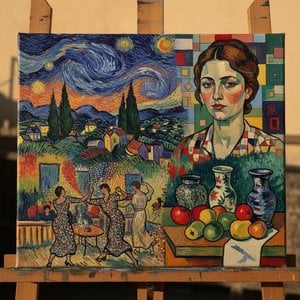
Unveil the profound revolution of Post-Impressionism. Explore how masters like Van Gogh and Cézanne utilized bold colors and emotional depth to transcend mere representation, laying the foundation for modern art. A sophisticated journey through history's most emotive brushstrokes.

Explore the profound emotional depth of Van Gogh's impasto technique. Discover how his sculptural brushstrokes and textured oil layers define Post-Impressionism through an expert art-historical lens, perfect for discerning collectors and fine art enthusiasts.

Master the nuances of Impressionism vs. Post-Impressionism with our expert guide. Explore the revolutionary shift from Monet’s fleeting light to Van Gogh’s emotional depth. Discover how these iconic movements continue to inspire fine art collectors and modern interiors today.


 미리보기
미리보기
 공유하기
공유하기 공유하기
공유하기
 상세 정보
상세 정보

 다운로드
다운로드
 유사 작품
유사 작품 X-레이
X-레이 슬라이드 쇼
 통계 정보
통계 정보 더 보기
더 보기









 유리 옵션은 110cm 미만 크기에서만 선택 가능합니다.


