
빠른 제작과 다양한 마감 옵션을 제공하는 박물관 품질의 지클레이 또는 캔버스 프린트. ( 손으로 그린 그림 구매 디지털 이미지로 전환)





























작품의 원본 비율을 유지하는 미리 설정된 크기 중에서 선택하세요.

특정 프레임이나 공간에 맞춰 직접 치수를 입력하실 수 있습니다. 선택하신 사이즈가 원본 이미지의 비율과 일치하지 않을 경우, 작품을 크롭(자르기)하거나 이미지를 대칭 또는 단색 채우기로 확장하여 제작합니다. 제작 시작 전, 최종 확인을 위해 디지털 목업이 전송됩니다.
화면상의 미리보기는 실제 크롭이나 확장 상태를 반영하지 않으므로, 최종 구도는 오직 목업을 통해서만 정확하게 확인하실 수 있습니다.
맞춤 사이즈 제작도 가능하지만, 원본 비율을 유지하기 위해서는 사전 정의된 목록에서 치수를 선택하시는 것을 권장합니다.

Fisherman
복제본 크기
In the quiet, salt-sprayed atmosphere of Scheveningen, 1883, Vincent van Gogh captured a moment that transcends mere coastal observation. His painting, Fisherman, serves as a profound window into the artist's early mastery, presenting a figure that seems both anchored to the earth and lost in deep contemplation. The subject—a man standing with hands tucked into his pockets, gazing toward an unseen horizon—embodies a sense of quiet resolve. There is a heavy, palpable stillness in his posture, a weight that suggests the rugged life of the North Sea coast. Through this portrait, Van Gogh does not merely depict a laborer; he invites us to share in the profound solitude and the rhythmic, melancholic beauty of the maritime existence.
The composition is a masterclass in early Dutch realism, where the boundaries between the human form and the natural world begin to blur. The background, featuring the undulating expanse of the sea, provides a sense of infinite scale against the singular presence of the man. For collectors and designers alike, this piece offers a unique emotional anchor for any space, providing a focal point that is both grounding and deeply evocative. It is a work that does not demand attention through loud colors, but rather commands it through its atmospheric depth and the haunting sincerity of its subject.
What makes this particular work a jewel of Van Gogh’s formative years is his revolutionary approach to the canvas. Moving away from the meticulous underdrawings common among his contemporaries, Vincent embraced a more visceral, direct method. He laid his representation straight onto the fabric with bold, decisive brushstrokes, a technique that prioritized the effect over the minute accuracy of detail. This decision allowed him to capture the very essence of movement—the way the wind might catch a jacket or how the light shifts across the sand.
By deliberately avoiding the painstaking rendering of hands and facial features, Van Gogh focused the viewer's attention on the broader emotional landscape. He utilized larger brushes to establish tonal ranges that mirror the ebb and flow of the tide, creating a sense of dynamism that breathes life into the static figure. This technique creates a textured, tactile quality that is particularly striking in high-quality reproductions, where the impasto-like energy of his strokes can be truly appreciated. It is this raw, unmediated connection to the subject matter that makes the painting feel so immediate and alive, even over a century after its creation.
The palette of Fisherman is a sophisticated study in harmony, dominated by the cool, muted blues and deep greens characteristic of the Dutch coast. These colors are not merely descriptive; they are the emotional heartbeat of the painting. The subtle interplay of these hues creates an atmosphere of tranquility laced with a hint of maritime gloom, perfectly capturing the temperament of the Netherlands' seaside towns. This restrained color scheme makes the artwork incredibly versatile for interior decoration, as it complements both modern minimalist aesthetics and more traditional, classic settings.
As one contemplates the canvas, the way the light seems to struggle through a heavy, overcast sky becomes apparent. The artist’s ability to manipulate these low-saturation tones to suggest depth and moisture is nothing short of extraordinary. For those seeking to bring a sense of peace, history, and intellectual depth into a home or gallery, this piece stands as an enduring testament to Van Gogh's ability to find the monumental within the mundane. It is more than a painting; it is an invitation to pause, to breathe, and to reflect upon the quiet strength found in the simplest of moments.

1853 - 1890 , 네덜란드

암스테르담 국립미술관 최고 걸작 25선을 만나보세요. 렘브란트, 베르메르 등 거장들의 숨겨진 이야기와 바로크 회화의 정수를 감상하세요. WahooArt에서 명화 복제본으로 예술을 경험하고 홈 데코를 완성해보세요! 지금 컬렉션 둘러보기.
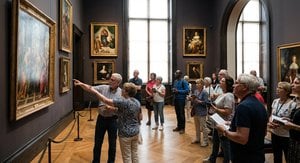
뮌헨 알테 피나코텍의 명작 25선을 만나보세요. 르네상스부터 바로크까지, 루벤스, 렘브란트 등 거장들의 숨겨진 이야기와 예술 기법을 탐험합니다. WahooArt에서 고품질 복제화로 당신의 공간에 예술을 더하세요! 지금 컬렉션을 살펴보세요.

카지미르 말레비치의 최고작 25선을 만나보세요. 추상 미술의 혁신적인 세계, 슈프레마티즘의 정수를 담은 작품들의 이야기와 영감을 WahooArt에서 경험하세요. 고품질 아트 프린트와 인테리어 데코 아이디어를 지금 바로 확인하세요! WahooArt.com

에곤 시엘레 최고 걸작 25선을 만나보세요. 표현주의 화가 시엘레의 삶과 죽음, 불안을 담은 인물화 작품들을 감상하고 그 의미를 탐구합니다. WahooArt에서 명작 복제본으로 예술적인 공간을 완성하세요. 지금 바로 컬렉션을 확인하세요!

단테 가브리엘 로세티의 시대를 초월하는 걸작 25선을 만나보세요. 프레라파엘리트 운동의 정수를 담은 그림 속 아름다움과 상징을 탐험하고, WahooArt에서 고품질 미술 작품으로 공간에 예술적인 감성을 더하세요. 지금 바로 컬렉션을 확인하세요!


 미리보기
미리보기
 공유하기
공유하기 공유하기
공유하기
 상세 정보
상세 정보

 다운로드
다운로드
 유사 작품
유사 작품 X-레이
X-레이 슬라이드 쇼
 통계 정보
통계 정보


 더 보기
더 보기









 유리 옵션은 110cm 미만 크기에서만 선택 가능합니다.


