Acrylic On CanvasWallArtOp Art
 1950Modern
 20.0 x 36.0 cm
이 페이지에 표시된 작품은 저작권법의 보호를 받으며, 이에 따라 동일한 복제품을 제작하거나 판매하는 것은 법으로 금지되어 있습니다. 이러한 권리 보호는 다음과 같은 국제 협약에 따라 시행됩니다. 베른 협약 또한 다음에서 명시하는 법률을 포함한 국내법에 의해 보호됩니다. 미국 저작권법 제17조.
이 방식은 저작권 보호를 받는 예술 작품을 복제하거나 그대로 재현하는 것이 아니기에 저작권 규정을 완벽히 준수합니다. 대신, 이는 창의적인 재해석의 과정을 거칩니다. 즉, 원작에서 영감을 받되 원작과 동일하지 않은 새로운 회화 작품을 의미합니다.
빠른 제작과 다양한 마감 옵션을 선택할 수 있는 박물관 수준의 지클레이 및 캔버스 프린트. ( 수작업 채색 복제본 주문하기 디지털 이미지 판매 채널로 전환)





























작품의 원본 비율을 그대로 유지하는 프리셋 사이즈 중에서 선택해 보세요.

액자나 벽면 크기에 맞춰 필요한 가로와 세로 길이를 입력해 주세요. 프린트는 원본 이미지보다 크게 제작할 수 없으며 오직 자르는 것만 가능하므로, 비율이 다른 사이즈를 선택할 경우 이미지의 일부가 잘려 나갈 수 있습니다. 인쇄 작업에 들어가기 전, 최종 확인을 위해 디지털 목업을 보내드립니다. 이 페이지에 표시된 이미지는 실제 잘리는 영역을 나타내지 않으며, 오직 목업을 통해서만 정확한 확인이 가능합니다.
Zebra
복제본 규격
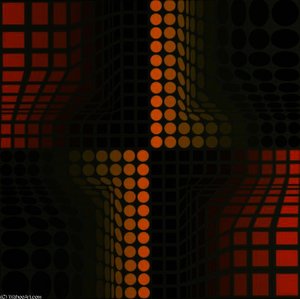
Victor Vasarely's 'Zebra' is more than just a black and white stripe; it’s an invitation to question the very nature of visual reality. Painted in 1950, this seminal work exemplifies the revolutionary impact of Op Art – Optical Art – a movement that sought to manipulate perception through precise geometric arrangements. Created by Hungarian artist Victor Vasarely, born in Pécs, Croatia in 1906, ‘Zebra’ showcases his mastery of creating illusions and challenging the viewer's assumptions about space and form. Initially drawn to medicine, Vasarely’s passion for visual expression led him to a transformative journey into abstraction, profoundly influenced by the Bauhaus movement and its emphasis on functional design and geometric principles. This artwork represents a pivotal moment in his career, solidifying his place as a pioneer of kinetic art and a key figure in 20th-century modernism.
At first glance, ‘Zebra’ presents itself as a simple depiction of black and white stripes. However, a closer examination reveals a dynamic complexity that belies its apparent simplicity. The artwork's composition is dominated by parallel lines that curve and bend, creating an illusion of movement and depth. These undulating stripes don't adhere to traditional perspective; instead, they converge and diverge strategically, drawing the eye across the canvas in a continuous flow. This deliberate manipulation of visual cues generates a powerful sense of disorientation – a hallmark of Op Art’s goal: to stimulate the viewer’s senses and challenge their perception of reality. The stark contrast between black and white amplifies this effect, intensifying the optical illusion and creating a visually arresting experience.
Vasarely's meticulous technique is central to ‘Zebra’s’ impact. He employed acrylic or oil paints on canvas, carefully calculating the placement of each line and shape to maximize its effect on the viewer’s visual system. The precision with which he executed this work speaks to his deep understanding of optics and perception. While the exact materials used remain somewhat open to interpretation, the resulting surface demonstrates a remarkable control over texture – an impression of depth created not through traditional modeling but through the strategic arrangement of lines that seem to bulge or recede depending on the viewer’s perspective. This technique is characteristic of Op Art's exploration of how our eyes and brains interpret visual information.
The title ‘Zebra,’ referencing the animal’s distinctive stripes, serves as a clever metaphor for the artwork’s core theme: the illusion of order within apparent chaos. The composition evokes feelings of movement, energy, and disorientation – emotions deliberately sought by Vasarely to disrupt conventional modes of seeing. Beyond its aesthetic qualities, 'Zebra' represents a broader exploration of perception itself, questioning our ability to accurately represent the world around us. It’s a visual puzzle that invites contemplation and rewards repeated viewing with new discoveries.
This 20 x 36 cm reproduction captures the essence of Vasarely's groundbreaking work, offering a stunning addition to any collection or interior design scheme. Its bold geometric forms and dynamic visual impact make it a captivating focal point, perfect for modern spaces seeking a touch of artistic intrigue. A testament to Victor Vasarely’s vision, ‘Zebra’ remains a powerful reminder of the beauty and complexity hidden within the simplest of patterns – a true icon of Op Art.

1906 - 1997 , 크로아티아

Explore the profound spiritual depth of geometric abstraction. From Malevich's Suprematism to modern masters, our expert guide reveals how pure form and color command presence in fine art collections.
Explore the mesmerizing world of Victor Vasarely. Discover how his Bauhaus-inspired Op Art masters the science of perception through geometric abstraction and vibrant color. A sophisticated guide for discerning art collectors seeking to understand the legacy of optical illusion.

 실제 크기로 보기
 보내기
보내기 공유하기
공유하기
 상세 보기
상세 보기 가이드 보기

 이미지 다운로드
 유사 작품 더 보기
 X-레이
X-레이 슬라이드 쇼 보기
 통계 정보
통계 정보 상세 보기
상세 보기









 유리 옵션은 110cm 미만 크기에서만 선택 가능합니다.