작품의 원본 비율을 유지하는 미리 설정된 크기 중에서 선택하세요.

특정 프레임이나 공간에 맞도록 직접 크기를 입력할 수 있습니다. 선택하신 크기가 원본 이미지의 비율과 일치하지 않는 경우, 작품을 자르거나 추가적인 손으로 그린 요소를 사용하여 그림을 확장합니다. 제작 시작 전 승인을 위해 디지털 목업을 보내드립니다.
화면 미리 보기는 실제 자르기 또는 확장을 반영하지 않습니다. 최종 구성은 목업을 통해서만 정확하게 확인하실 수 있습니다.
맞춤 크기 제작도 가능하지만, 원본 비율을 유지하기 위해 사전 정의된 목록에서 크기를 선택하시는 것을 권장합니다.

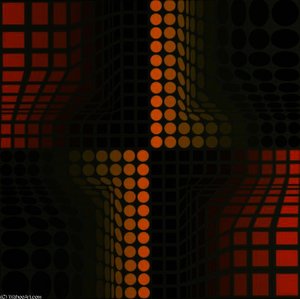
OND-II-VA
복제본 크기
Victor Vasarely’s “O N D - I I - V A” is more than just a painting; it's an invitation to experience the world through a radically altered lens. Created in the heart of the Op Art movement, this piece, executed with meticulous skill in oil media, embodies the core principles of optical illusion and dynamic visual vibration that defined Vasarely’s groundbreaking work. The swirling, interconnected spirals dominate the canvas, drawing the viewer into a mesmerizing dance of color and form – a testament to the artist's profound understanding of how our eyes perceive depth and movement.
Vasarely’s approach stemmed from a deep engagement with geometric abstraction and the principles of functional design, heavily influenced by his time at the Bauhaus-inspired Műhely workshop. He wasn't simply depicting an image; he was constructing an experience – one that actively engages the viewer’s eye and mind. The intricate network of spirals suggests a controlled chaos, a deliberate disruption of conventional spatial understanding. This piece resonates with similar works like “Rhombus-B” and “Tridim-Cis,” showcasing Vasarely's consistent exploration of spiral patterns within the Op Art framework.
"O N D - I I - V A" emerged during a period of significant artistic experimentation in the 1960s, mirroring the broader cultural shifts towards technological advancement and a fascination with the subconscious. The Op Art movement itself was a direct response to the increasing prevalence of mass-produced imagery and the desire to create art that actively engaged the viewer’s senses. Vasarely's work anticipated developments in fields like computer graphics and kinetic art, demonstrating a prescient understanding of how visual information would be processed in the future.
Vasarely’s technical mastery is evident in the precise execution of the spiral composition. The smaller spirals are not merely decorative; they contribute to a complex interplay of visual cues that create a powerful sense of depth and movement. The use of oil media allows for subtle variations in tone and texture, enhancing the three-dimensional effect and contributing to the overall dynamism of the artwork. It’s a technique shared with other pioneers like Getulio Alviani, who similarly pushed the boundaries of artistic expression through innovative material experimentation.
The spiral motif in “O N D - I I - V A” transcends mere aesthetic appeal; it’s a potent symbol representing growth, evolution, and the cyclical nature of time. Within the context of Op Art, spirals are not simply decorative elements but carefully constructed visual puzzles designed to challenge our perceptions of space and form. The interconnectedness of the spirals suggests a complex system of relationships – mirroring the intricate workings of the human mind.
Emotional Impact: The artwork evokes feelings of wonder, curiosity, and perhaps even slight disorientation—a deliberate effect intended to stimulate the viewer’s senses and provoke contemplation on the nature of perception itself.“O N D - I I - V A” by Victor Vasarely represents a pivotal moment in art history, solidifying his place as one of the foremost figures of Op Art. Its enduring appeal lies not only in its striking visual impact but also in its intellectual rigor – a testament to Vasarely’s profound understanding of human perception. Owning a hand-painted reproduction of this iconic artwork is an investment in both artistic heritage and a unique piece of visual storytelling.

1906 - 1997 , 크로아티아

Explore the mesmerizing world of Victor Vasarely. Discover how his Bauhaus-inspired Op Art masters the science of perception through geometric abstraction and vibrant color. A sophisticated guide for discerning art collectors seeking to understand the legacy of optical illusion.

Discover the profound allure of oil on canvas. Explore the mastery of impasto textures, the science of pigment longevity, and expert guides to selecting museum-quality reproductions that elevate your collection with timeless elegance and tactile depth.

Embark on a visual journey through the mesmerizing world of Op Art. Discover the masters of optical illusion, explore geometric abstraction, and learn how to curate high-impact kinetic works for your private collection with expert guidance from art professionals.


 미리보기
미리보기
 프린트 구매
 공유하기
공유하기 공유하기
공유하기
 상세 정보
상세 정보

 다운로드
다운로드
 유사 작품
유사 작품 X-레이
X-레이 슬라이드 쇼

 더 보기
더 보기









 유리 옵션은 110cm 미만 크기에서만 선택 가능합니다.