이 페이지에 표시된 작품은 저작권법의 보호를 받으며, 이에 따라 동일한 복제품을 제작하거나 판매하는 것은 법으로 금지되어 있습니다. 이러한 권리 보호는 다음과 같은 국제 협약에 따라 시행됩니다. 베른 협약 또한 다음에서 명시하는 법률을 포함한 국내법에 의해 보호됩니다. 미국 저작권법 제17조.
이 방식은 저작권 보호를 받는 예술 작품을 복제하거나 그대로 재현하는 것이 아니기에 저작권 규정을 완벽히 준수합니다. 대신, 이는 창의적인 재해석의 과정을 거칩니다. 즉, 원작에서 영감을 받되 원작과 동일하지 않은 새로운 회화 작품을 의미합니다.
빠른 제작과 다양한 마감 옵션을 선택할 수 있는 박물관 수준의 지클레이 및 캔버스 프린트. ( 수작업 채색 복제본 주문하기 디지털 이미지 판매 채널로 전환)
작품의 원본 비율을 그대로 유지하는 프리셋 사이즈 중에서 선택해 보세요.

액자나 벽면 크기에 맞춰 필요한 가로와 세로 길이를 입력해 주세요. 프린트는 원본 이미지보다 크게 제작할 수 없으며 오직 자르는 것만 가능하므로, 비율이 다른 사이즈를 선택할 경우 이미지의 일부가 잘려 나갈 수 있습니다. 인쇄 작업에 들어가기 전, 최종 확인을 위해 디지털 목업을 보내드립니다. 이 페이지에 표시된 이미지는 실제 잘리는 영역을 나타내지 않으며, 오직 목업을 통해서만 정확한 확인이 가능합니다.
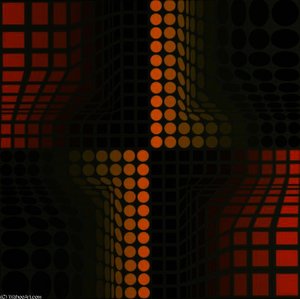
Obor
복제본 규격
To encounter Victor Vasarely’s “Obor” is to step away from the stillness of traditional viewing and enter a realm where the canvas itself seems to breathe, pulse, and shift beneath one's gaze. This masterpiece of Op Art does not merely sit upon a wall; it interacts with the eye, challenging our very understanding of depth, stability, and movement. At its core, “Obor” is a profound exploration of geometric harmony, where the rigid discipline of mathematical precision meets the fluid, unpredictable nature of human perception. The artwork presents a deceptively simple composition of overlapping rectangles of vibrant hues, yet beneath this apparent austerity lies an intricate system designed to stimulate the viewer’s eye and create a convincing illusion of three-dimensionality.
The foundation of this visual dance is a meticulously structured hexagonal grid. This geometric scaffolding serves as more than just structural support; it actively guides the gaze across the canvas, reinforcing a sense of spatial recession through the careful layering and positioning of shapes. As the eye wanders through the composition, it experiences a rhythmic vibration, a hallmark of Vasarely’s signature style. This technique, deeply rooted in the Bauhaus principles of functional design, allows the artist to manipulate form and color to evoke deep emotional responses, turning a flat surface into a kinetic experience that feels as though it is moving within our own space.
The color palette employed in “Obor” is far from accidental; it is a carefully engineered emotional journey. The composition begins with the warmth of sun-drenched yellows and oranges at its upper reaches, gradually transitioning downwards into the tranquil, cooler tones of blues and greens. This chromatic progression mirrors a natural cycle, much like the transition from bright daylight to the soft twilight of evening. Such a deliberate use of color does more than please the eye; it operates on a psychological level, subtly influencing the viewer's emotional state by capturing the fleeting sensations of light and atmosphere.
For the discerning collector or interior designer, “Obor” offers an unparalleled opportunity to introduce dynamic energy into a space. The artwork’s ability to create depth through the illusion of receding planes makes it a transformative piece for any high-end environment. Whether placed in a contemporary gallery setting or as a focal point in a sophisticated residential lounge, the painting acts as a window into a world of engineered energy. It provides a sense of intellectual stimulation and visual luxury, inviting guests to linger and lose themselves in its complex, layered geometry.
Born Károly Vaszary in 1906 in Pécs, the artist’s journey was one of radical transformation. Having initially pursued medical studies, Vasarely eventually abandoned the biological sciences to master the science of sight. His work stands as a testament to his lifelong pursuit of "art for all," a philosophy that sought to democratize the aesthetic experience through the universal language of geometry. In “Obor,” we see the culmination of this vision—a piece where mathematics and magic converge, creating a lasting legacy of innovation that continues to inspire those who seek beauty in precision and movement in stillness.

1906 - 1997 , 크로아티아

Explore the profound spiritual depth of geometric abstraction. From Malevich's Suprematism to modern masters, our expert guide reveals how pure form and color command presence in fine art collections.
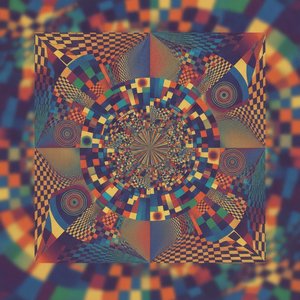
Explore the mesmerizing world of Victor Vasarely. Discover how his Bauhaus-inspired Op Art masters the science of perception through geometric abstraction and vibrant color. A sophisticated guide for discerning art collectors seeking to understand the legacy of optical illusion.

 보내기
보내기 공유하기
공유하기
 상세 보기
상세 보기 가이드 보기

 이미지 다운로드
 유사 작품 더 보기
 슬라이드 쇼 보기
 통계 정보
통계 정보

 상세 보기
상세 보기






































 유리 옵션은 110cm 미만 크기에서만 선택 가능합니다.