빠른 제작과 다양한 마감 옵션을 제공하는 박물관 품질의 지클레이 또는 캔버스 프린트. ( 손으로 그린 그림 구매 이미지 구매)





























작품의 원본 비율을 유지하는 미리 설정된 크기 중에서 선택하세요.

특정 프레임이나 공간에 맞춰 직접 치수를 입력하실 수 있습니다. 선택하신 사이즈가 원본 이미지의 비율과 일치하지 않을 경우, 작품을 크롭(자르기)하거나 이미지를 대칭 또는 단색 채우기로 확장하여 제작합니다. 제작 시작 전, 최종 확인을 위해 디지털 목업이 전송됩니다.
화면상의 미리보기는 실제 크롭이나 확장 상태를 반영하지 않으므로, 최종 구도는 오직 목업을 통해서만 정확하게 확인하실 수 있습니다.
맞춤 사이즈 제작도 가능하지만, 원본 비율을 유지하기 위해서는 사전 정의된 목록에서 치수를 선택하시는 것을 권장합니다.

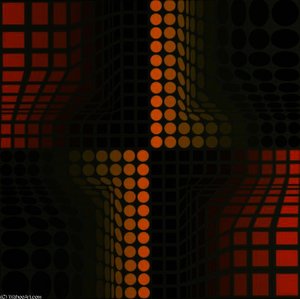
Kettes
복제본 크기
Victor Vasarely’s “Kettes,” a deceptively simple hexagonal composition, transcends mere visual representation; it embodies the core principles of Op Art—Optical Art—a movement that revolutionized artistic perception in the mid-20th century. Created sometime between 1963 and 1964, this artwork isn't about depicting a recognizable scene but rather manipulating our senses to generate an experience akin to movement and depth where none exists.
The visual impact is immediate: two interlocking hexagonal structures dominate the canvas, arranged in a dynamic interplay that defies conventional perspective. Each hexagon is meticulously crafted from repeating squares and diamonds—a technique characteristic of Vasarely’s approach—resulting in an illusionistic effect that draws the eye inwards. The color palette leans towards cool tones – predominantly blues and greens – accented by warmer hues like yellows and reds, creating a harmonious balance that contributes to the artwork's overall vibrancy.
Vasarely’s method wasn’t simply about applying paint; it was about harnessing mathematical precision. He meticulously calculated the angles and proportions of his shapes to maximize their perceptual impact. This deliberate control over visual stimuli aligns perfectly with the Bauhaus ethos—functional design underpinned by geometric abstraction—which profoundly influenced Vasarely's artistic development. The hexagonal form itself carries symbolic significance, representing stability and harmony alongside its inherent dynamism.
“Kettes” is executed on canvas using acrylic paint – a material favored by Vasarely for its durability and ability to achieve brilliant colors. The artist’s meticulous brushwork ensures smooth surfaces while maintaining the sharp delineation of geometric shapes. Careful attention was paid to layering pigments, creating subtle variations in tone that enhance the illusion of depth without resorting to traditional shading methods. This technique exemplifies Vasarely's commitment to exploring the boundaries of visual perception.
Born in Pécs, Croatia (then Austria-Hungary), Victor Vasarely emerged as a pivotal figure in Op Art during a period marked by significant advancements in psychology and neuroscience. Artists like Vasarely sought to challenge viewers’ assumptions about reality, demonstrating that perception is subjective and susceptible to manipulation. “Kettes” stands as a testament to this intellectual curiosity—a bold experiment in visual illusion that cemented Vasarely's place among the most influential artists of his time. Its enduring appeal continues to inspire contemporary designers and collectors alike.

1906 - 1997 , 크로아티아

Explore the mesmerizing world of Victor Vasarely. Discover how his Bauhaus-inspired Op Art masters the science of perception through geometric abstraction and vibrant color. A sophisticated guide for discerning art collectors seeking to understand the legacy of optical illusion.

Embark on a visual journey through the mesmerizing world of Op Art. Discover the masters of optical illusion, explore geometric abstraction, and learn how to curate high-impact kinetic works for your private collection with expert guidance from art professionals.

Explore the profound world of optical art and masterpieces that redefine perception. From Vasarely’s geometric illusions to Farndon’s sensory reality, discover how legendary works challenge the eye and transform the viewer's experience through sophisticated abstraction.

Explore the profound spiritual depth of geometric abstraction. From Malevich's Suprematism to modern masters, our expert guide reveals how pure form and color command presence in fine art collections.


 미리보기
미리보기
 공유하기
공유하기 공유하기
공유하기
 상세 정보
상세 정보

 다운로드
다운로드
 유사 작품
유사 작품 X-레이
X-레이 슬라이드 쇼
 더 보기
더 보기









 유리 옵션은 110cm 미만 크기에서만 선택 가능합니다.