
이 페이지에 표시된 작품은 저작권법의 보호를 받으며, 이에 따라 동일한 복제품을 제작하거나 판매하는 것은 법으로 금지되어 있습니다. 이러한 권리 보호는 다음과 같은 국제 협약에 따라 시행됩니다. 베른 협약 또한 다음에서 명시하는 법률을 포함한 국내법에 의해 보호됩니다. 미국 저작권법 제17조.
저희는 존중을 담은 합법적인 대안으로서, 원작에서 영감을 받은 맞춤형 수제 유화 작품을 제공합니다. 저희의 숙련된 전문 화가들은 원작의 스타일, 분위기, 예술적 정수를 면밀히 연구하여, 그 자체로 독창적인 창작물이면서도 원작과 동일한 감동을 불러일으키는 새로운 작품을 만들어냅니다.
이 방식은 저작권 보호를 받는 예술 작품을 복제하거나 그대로 재현하는 것이 아니기에 저작권 규정을 완벽히 준수합니다. 대신, 이는 창의적인 재해석의 과정을 거칩니다. 즉, 원작에서 영감을 받되 원작과 동일하지 않은 새로운 회화 작품을 의미합니다.
작가가 직접 캔버스에 손으로 그린 유화 작품으로, 원하는 크기와 액자로 맞춤 제작해 드립니다. ( 프린트 판매로 전환 디지털 이미지 판매 채널로 전환)
작품의 원본 비율을 그대로 유지하는 프리셋 사이즈 중에서 선택해 보세요.

액자나 벽면 크기에 맞춰 필요한 가로와 세로 길이를 입력해 주세요. 본 작품은 수작업으로 제작되므로, 요청하신 비율에 따라 작가가 그림의 가장자리를 조금 더 넓게 그리거나 일부를 조정하여 작업할 수 있습니다. 작업 시작 전, 최종 확인을 위해 디지털 목업 이미지를 보내드립니다. 이 페이지에 표시된 이미지는 실제 결과물과 다를 수 있으며, 오직 목업 이미지만이 정확한 결과물을 보여줍니다.
Jong
복제본 규격
Victor Vasarely's 'Jong,' completed in 1968, is more than just an image; it’s an invitation to question the very nature of reality. This arresting work, a cornerstone of Op Art, immediately captivates with its seemingly impossible optical illusion – a distorted face emerging from a grid of meticulously crafted black and white lines, culminating in a central sphere that appears to both contain and disrupt the composition. Vasarely, born Károly Vaszary in 1906 in Pécs, Croatia, was a visionary who dedicated his life to exploring how our eyes perceive space and form. His journey began with an unexpected detour – initially pursuing medical studies before embracing the world of art in 1927 – a shift profoundly shaped by his education at the Podolini-Volkmann Academy and, crucially, Sándor Bortnyik’s ‘Műhely,’ where he absorbed the revolutionary ideas of the Bauhaus movement. This foundation laid the groundwork for his groundbreaking exploration of geometric abstraction, ultimately leading to the creation of 'Jong' – a testament to his mastery of visual deception.
'Jong’s' power lies in its masterful use of line. A dense grid of parallel lines forms the foundational structure, but these lines are deliberately warped, curved, and distorted – a technique central to Op Art. This manipulation creates an intense sense of movement and visual ambiguity, drawing the viewer into a complex interplay between perception and reality. The sphere at the heart of the composition acts as both a focal point and a destabilizing element, further amplifying the illusion. The stark monochrome palette—a deliberate choice by Vasarely—heightens the impact of this geometric play, stripping away any distractions and focusing solely on the dynamic relationship between form and space.
Beyond its purely visual effect, ‘Jong’ carries a potent symbolic weight. The distorted face, rendered through abstract distortions within the grid, can be interpreted as representing hidden identities or fragmented perceptions – themes frequently explored by Vasarely. The work suggests that what we see isn't necessarily a faithful reflection of reality but rather a subjective interpretation shaped by our own biases and experiences. This resonates with broader philosophical questions about identity, consciousness, and the nature of truth. The implied movement within the composition evokes a sense of dynamism and instability, mirroring the fluid and often contradictory aspects of human experience.
'Jong' is more than just an artwork; it’s a captivating exploration of perception itself. Its enduring appeal lies in its ability to challenge our assumptions about reality and invite us to reconsider how we see the world. Reproduced with meticulous attention to detail, this piece offers a unique opportunity to bring a touch of Op Art's dynamism and intellectual depth into any interior space – a conversation starter, a visual puzzle, and a testament to Victor Vasarely’s visionary genius.

1906 - 1997 , 크로아티아
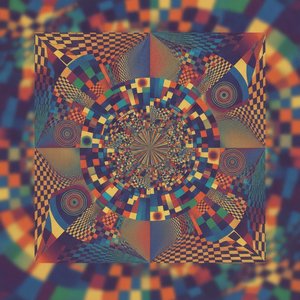
Explore the mesmerizing world of Victor Vasarely. Discover how his Bauhaus-inspired Op Art masters the science of perception through geometric abstraction and vibrant color. A sophisticated guide for discerning art collectors seeking to understand the legacy of optical illusion.

Embark on a visual journey through history's most captivating optical illusions. From Trompe l'oeil to Op Art, explore the masterpieces that challenge perception and redefine reality in the world of fine art.

Explore the profound world of optical art and masterpieces that redefine perception. From Vasarely’s geometric illusions to Farndon’s sensory reality, discover how legendary works challenge the eye and transform the viewer's experience through sophisticated abstraction.
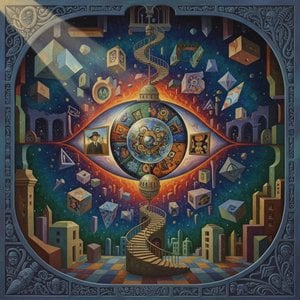
Embark on a visual journey through the world's most captivating illusions. From Trompe l'oeil realism to the geometric wonders of Op Art, explore how master artists manipulate perception and depth to create timeless masterpieces of optical wonder.

Embark on a visual journey through the mesmerizing world of Op Art. Discover the masters of optical illusion, explore geometric abstraction, and learn how to curate high-impact kinetic works for your private collection with expert guidance from art professionals.


 보내기
보내기 공유하기
공유하기
 상세 보기
상세 보기 가이드 보기

 이미지 다운로드
 유사 작품 더 보기
 슬라이드 쇼 보기
 통계 정보
통계 정보

 상세 보기
상세 보기






































 유리 옵션은 110cm 미만 크기에서만 선택 가능합니다.





