이 페이지에 표시된 작품은 저작권법의 보호를 받으며, 이에 따라 동일한 복제품을 제작하거나 판매하는 것은 법으로 금지되어 있습니다. 이러한 권리 보호는 다음과 같은 국제 협약에 따라 시행됩니다. 베른 협약 또한 다음에서 명시하는 법률을 포함한 국내법에 의해 보호됩니다. 미국 저작권법 제17조.
이 방식은 저작권 보호를 받는 예술 작품을 복제하거나 그대로 재현하는 것이 아니기에 저작권 규정을 완벽히 준수합니다. 대신, 이는 창의적인 재해석의 과정을 거칩니다. 즉, 원작에서 영감을 받되 원작과 동일하지 않은 새로운 회화 작품을 의미합니다.
빠른 제작과 다양한 마감 옵션을 제공하는 박물관 수준의 지클레이 및 캔버스 프린트. ( 수작업 채색 복제본 주문하기 디지털 이미지로 전환)





























작품의 원본 비율을 그대로 유지하는 프리셋 사이즈 중에서 선택해 보세요.

액자나 벽면 크기에 맞춰 필요한 가로와 세로 길이를 입력해 주세요. 프린트는 원본 이미지보다 크게 제작할 수 없으며 오직 자르는 것만 가능하므로, 비율이 다른 사이즈를 선택할 경우 이미지의 일부가 잘려 나갈 수 있습니다. 인쇄 작업에 들어가기 전, 최종 확인을 위해 디지털 목업을 보내드립니다. 이 페이지에 표시된 이미지는 실제 잘리는 영역을 나타내지 않으며, 오직 목업을 통해서만 정확한 확인이 가능합니다.
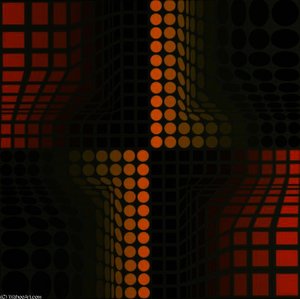
Hetta
복제본 크기
Victor Vasarely's "Hetta," a deceptively simple composition of four vibrant circles – red, orange, green, and blue – is far more than just an abstract arrangement. It’s a meticulously crafted exploration of perception, movement, and the very nature of visual experience, firmly rooted in the groundbreaking principles of Op Art and reflecting the artist's deep engagement with geometric abstraction. Born Károly Vaszary in 1906 in Pécs, Croatia, Vasarely’s artistic trajectory began unexpectedly, initially driven by a medical education before he was captivated by the expressive potential of painting. This shift, catalyzed by his studies at the Podolini-Volkmann Academy and crucially, Sándor Bortnyik's “Műhely” workshop – a breeding ground for Bauhaus ideals – established him as a key figure in challenging traditional artistic conventions. "Hetta" embodies this legacy, showcasing Vasarely’s mastery of creating illusions through precise geometric forms, anticipating the viewer’s eye and manipulating their perception with remarkable skill.
“Hetta” is a quintessential example of Op Art, a movement that emerged in the 1960s – though Vasarely's explorations began decades earlier – to deliberately stimulate visual responses through optical illusions. The painting’s seemingly static arrangement generates a dynamic sense of movement and vibration within the viewer’s eye. This effect is achieved through carefully calibrated patterns and contrasting colors, creating areas of light and dark that shift with the slightest change in viewing angle. Vasarely wasn't simply depicting circles; he was manipulating the way the brain processes visual information, demonstrating a profound understanding of how our perception is constructed.
Vasarely’s artistic vocabulary is profoundly shaped by his immersion in geometric abstraction and the principles championed by the Bauhaus movement. The precise, interlocking circles within “Hetta” reflect the Bauhaus emphasis on functional design and the reduction of form to its essential elements – line, shape, and color. This approach sought to create art that was both aesthetically pleasing and intellectually stimulating, rejecting representational imagery in favor of exploring the underlying structure of visual reality. The square arrangement of the circles further reinforces this geometric rigor, echoing the Bauhaus’s commitment to order and clarity.
While ostensibly abstract, “Hetta” possesses a subtle symbolic resonance. The four colors – red, orange, green, and blue – are often associated with fundamental human emotions: passion (red), enthusiasm (orange), growth (green), and tranquility (blue). Their arrangement within the circles suggests a harmonious balance or perhaps a dynamic interplay between these forces. More than just an aesthetic object, “Hetta” invites contemplation on perception itself, prompting viewers to question their own assumptions about reality and the nature of visual experience. The painting’s impact is one of controlled excitement – a quiet dynamism that draws the eye in and holds it captive.
"Hetta"에 대한 안내는 작품의 학습 가이드 페이지에서 확인하실 수 있습니다. 이 페이지는 작품의 캡션, 크레딧, 그리고 상세 정보 표(작가, 제작 연도, 재료, 원본 크기, 소장처)를 포함하여 출력 가능한 형태의 팩트시트로 제공됩니다.
빅터 바사렐리의 "Hetta"에 담긴 주제: circles, geometry, op art, abstraction, color field, vasarely, visual perception
"Hetta"에서 Dark 색조는 Reflective 분위기를 자아냅니다.

1906 - 1997 , 크로아티아
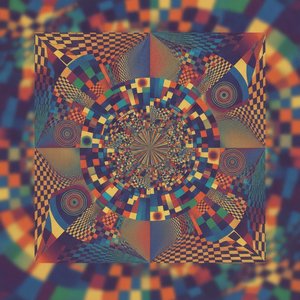
Explore the mesmerizing world of Victor Vasarely. Discover how his Bauhaus-inspired Op Art masters the science of perception through geometric abstraction and vibrant color. A sophisticated guide for discerning art collectors seeking to understand the legacy of optical illusion.

Explore the profound spiritual depth of geometric abstraction. From Malevich's Suprematism to modern masters, our expert guide reveals how pure form and color command presence in fine art collections.
 미리보기
미리보기
 공유하기
공유하기 공유하기
공유하기
 상세 정보
상세 정보 가이드 보기

 다운로드
다운로드
 유사 작품 더 보기
 X-레이
X-레이 슬라이드 쇼 보기
 질의응답
질의응답
 통계 정보
통계 정보

 더 보기
더 보기









 유리 옵션은 110cm 미만 크기에서만 선택 가능합니다.