
빠른 제작과 다양한 마감 옵션을 제공하는 박물관 품질의 지클레이 또는 캔버스 프린트. ( 손으로 그린 그림 구매 디지털 이미지로 전환)





























작품의 원본 비율을 유지하는 미리 설정된 크기 중에서 선택하세요.

특정 프레임이나 공간에 맞춰 직접 치수를 입력하실 수 있습니다. 선택하신 사이즈가 원본 이미지의 비율과 일치하지 않을 경우, 작품을 크롭(자르기)하거나 이미지를 대칭 또는 단색 채우기로 확장하여 제작합니다. 제작 시작 전, 최종 확인을 위해 디지털 목업이 전송됩니다.
화면상의 미리보기는 실제 크롭이나 확장 상태를 반영하지 않으므로, 최종 구도는 오직 목업을 통해서만 정확하게 확인하실 수 있습니다.
맞춤 사이즈 제작도 가능하지만, 원본 비율을 유지하기 위해서는 사전 정의된 목록에서 치수를 선택하시는 것을 권장합니다.

Caopeo
복제본 크기
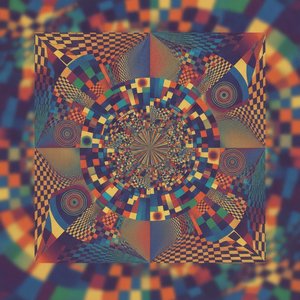
Victor Vasarely’s “Caopeo” isn’t merely a painting; it’s an invitation, a carefully constructed illusion designed to challenge and delight the viewer. Created in 1962, this seminal work exemplifies the core tenets of Op Art – Optical Art – a movement that sought to evoke sensory experiences through purely visual means. Born Károly Vaszary in 1906 in Pécs, Croatia (then part of Austria-Hungary), Vasarely’s artistic trajectory began unexpectedly with medical studies before he decisively embraced the world of art in 1927. His journey, fueled by a fascination with geometry and perception, led him to develop a revolutionary style that continues to resonate today.
The composition of “Caopeo” is deceptively simple. A square canvas explodes with a dynamic arrangement of circles – varying in size from prominent to subtle – all contained within a rigorously structured grid. This isn’t haphazard; each circle contributes to the overall illusion, creating an intense sense of movement and depth. The strategic use of scale—larger circles receding into the background while smaller ones appear closer—is a key technique employed by Vasarely to trick the eye and generate this captivating effect. It's a deliberate manipulation of visual cues, forcing the viewer to actively engage with the artwork rather than passively observing it.
Understanding “Caopeo” requires acknowledging its roots in the intellectual currents of the early 20th century. Vasarely’s artistic development was profoundly shaped by his time at Sándor Bortnyik’s Műhely workshop, a school deeply influenced by the Bauhaus movement. The Bauhaus emphasized functional design and geometric abstraction – principles that directly informed Vasarely's approach to art. This connection to the Bauhaus legacy is crucial; it highlights “Caopeo” as part of a broader artistic dialogue concerned with exploring the relationship between form, space, and perception.
While undeniably abstract, "Caopeo" invites contemplation about the nature of visual experience. The stark black and white palette intensifies the geometric impact, emphasizing the artwork's focus on perception and illusion. Vasarely wasn’t interested in depicting recognizable objects; instead, he sought to create a purely visual language that could evoke emotional responses through its manipulation of form and space. The work’s enduring appeal lies in its ability to stimulate the viewer’s senses and provoke a sense of wonder – a reminder that reality itself is often an illusion.
The artwork's impact is achieved through Vasarely’s precise technique, utilizing oil paints on canvas. The smooth application of paint creates a surface texture that enhances the optical effect, while the limited color palette – black and white – maximizes the visual intensity. This meticulous approach, combined with Vasarely’s innovative use of geometric abstraction, cemented his place as one of the most influential figures in Op Art.

1906 - 1997 , 크로아티아

Explore the profound spiritual depth of geometric abstraction. From Malevich's Suprematism to modern masters, our expert guide reveals how pure form and color command presence in fine art collections.
Explore the mesmerizing world of Victor Vasarely. Discover how his Bauhaus-inspired Op Art masters the science of perception through geometric abstraction and vibrant color. A sophisticated guide for discerning art collectors seeking to understand the legacy of optical illusion.


 미리보기
미리보기
 공유하기
공유하기 공유하기
공유하기
 상세 정보
상세 정보 가이드 보기

 다운로드
다운로드
 유사 작품
유사 작품 X-레이
X-레이 슬라이드 쇼
 통계 정보
통계 정보

 더 보기
더 보기









 유리 옵션은 110cm 미만 크기에서만 선택 가능합니다.





