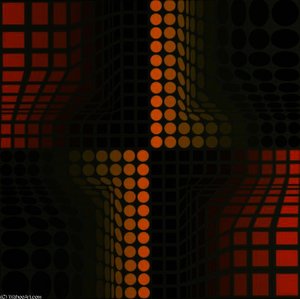
이 페이지에 표시된 작품은 저작권법의 보호를 받으며, 이에 따라 동일한 복제품을 제작하거나 판매하는 것은 법으로 금지되어 있습니다. 이러한 권리 보호는 다음과 같은 국제 협약에 따라 시행됩니다. 베른 협약 또한 다음에서 명시하는 법률을 포함한 국내법에 의해 보호됩니다. 미국 저작권법 제17조.
저희는 존중을 담은 합법적인 대안으로서, 원작에서 영감을 받은 맞춤형 수제 유화 작품을 제공합니다. 저희의 숙련된 전문 화가들은 원작의 스타일, 분위기, 예술적 정수를 면밀히 연구하여, 그 자체로 독창적인 창작물이면서도 원작과 동일한 감동을 불러일으키는 새로운 작품을 만들어냅니다.
이 방식은 저작권 보호를 받는 예술 작품을 복제하거나 그대로 재현하는 것이 아니기에 저작권 규정을 완벽히 준수합니다. 대신, 이는 창의적인 재해석의 과정을 거칩니다. 즉, 원작에서 영감을 받되 원작과 동일하지 않은 새로운 회화 작품을 의미합니다.
작가가 직접 캔버스에 손으로 그린 유화 작품으로, 원하는 크기와 액자로 맞춤 제작해 드립니다. ( 프린트 판매로 전환 디지털 이미지 판매 채널로 전환)





























작품의 원본 비율을 그대로 유지하는 프리셋 사이즈 중에서 선택해 보세요.

특정 프레임이나 공간에 맞춰 원하는 크기를 직접 입력하실 수 있습니다. 선택하신 크기가 원본 이미지의 비율과 일치하지 않을 경우, 작품을 자르거나 추가적인 수작업 요소를 더해 그림을 확장하여 제작합니다. 제작 시작 전, 최종 확인을 위해 디지털 목업을 보내드립니다.
화면상의 미리 보기는 실제 크롭(자르기)이나 확장된 상태를 완벽히 반영하지 않을 수 있습니다. 최종 구도는 오직 목업을 통해서만 정확하게 확인하실 수 있습니다.
맞춤 크기 제작도 가능하지만, 원본의 비율을 그대로 유지하기 위해서는 미리 정의된 목록에서 크기를 선택하시는 것을 권장합니다.
Abstract Composition 17
복제본 규격
Victor Vasarely's "Abstract Composition 17" is more than just an image; it’s an invitation to experience the world anew. Born in 1906 in Pécs, Croatia – then part of Austria-Hungary – Vasarely’s life was a deliberate pursuit of visual harmony, beginning with a surprising detour from medical studies into the realm of art. His early training at the Podolini-Volkmann Academy and, crucially, Sándor Bortnyik's “Műhely” workshop, profoundly shaped his approach, immersing him in the principles of functional design and geometric abstraction championed by the Bauhaus movement. This confluence of influences ultimately led to his groundbreaking contribution to Op Art – Optical Art – a style dedicated to manipulating perception through carefully constructed visual illusions.
This striking black-and-white composition exemplifies Vasarely’s mastery of Op Art. The artwork is dominated by an intricate network of interlocking lines, squares, and rectangles, meticulously arranged to create a dynamic sense of movement and depth. It's a deliberate rejection of traditional representational art; the focus isn't on depicting a recognizable scene but rather on exploring the very nature of visual perception. Vasarely’s technique involved precise execution – oil paint applied with exacting control onto canvas – to achieve this remarkable effect. The high contrast between black and white amplifies these optical effects, drawing the viewer into a captivating dance of shifting forms.
Emerging in the 1960s, Op Art represented a significant shift in artistic thinking. Artists like Vasarely sought to harness scientific principles – particularly those related to optics and visual perception – to create artwork that actively engaged the viewer’s eye. This wasn't simply about creating pretty patterns; it was an intellectual exploration of how our brains interpret visual information. The movement coincided with a broader cultural fascination with technology and its impact on human experience, reflecting a desire to understand and manipulate the world around us through new artistic means.
"Abstract Composition 17" possesses a profound symbolic resonance despite its lack of overt subject matter. The geometric forms – squares, rectangles, lines – can be interpreted as representing fundamental building blocks of reality, suggesting an underlying order within apparent chaos. The artwork’s ability to generate movement and vibration taps into primal human responses, evoking feelings of excitement, dynamism, and even a subtle sense of unease. It's a piece that demands attention, prompting the viewer to actively participate in its creation – to become part of the illusion itself.
빅터 바사렐리의 "Abstract Composition 17"은(는) Square 형식입니다. 이 형식은 작품 구성의 비율을 나타냅니다.
빅터 바사렐리의 "Abstract Composition 17"의 전반적인 분위기는 Modern입니다. 이 분위기는 작품의 전반적인 공기를 설명합니다.
빅터 바사렐리의 "Abstract Composition 17"은(는) Modern 시대의 Op-Art 사조에 속합니다. 이 요소들이 어우러져 미술사에서 이 작품이 갖는 위상을 완성합니다.
빅터 바사렐리의 "Abstract Composition 17"의 프린트를 소장하시려면, 현재 페이지에서 간편하게 주문하실 수 있습니다: 코튼 캔버스 또는 아카이브용 캔버스지에 인쇄된 파인 아트 프린트.
빅터 바사렐리의 "Abstract Composition 17"에 기록된 정서적 톤은 Reflective입니다. 이는 작품이 표현하는 감정을 요약한 것입니다.
빅터 바사렐리의 "Abstract Composition 17" 작품의 경우 Large 크기의 복제본을 추천합니다. 비율을 유지하면서 크기를 조정할 수 있습니다.
"Abstract Composition 17"의 색조는 채도가 Muted입니다.
빅터 바사렐리의 "Abstract Composition 17"의 Neutrals 색조는 Reflective 분위기와 조화를 이룹니다. 색채는 작품이 감정을 전달하는 중요한 방식 중 하나입니다.

1906 - 1997 , 크로아티아

Explore the profound evolution of Neo-Abstract art. Discover how bold geometric forms, vibrant chromatic depth, and tactile textures redefine modern expression for the discerning collector seeking sophisticated, high-impact masterpieces for contemporary interiors.

Discover the profound beauty of abstract art. Our expert guide explores geometric abstraction, Op Art, and Expressionism, offering connoisseurs deep insights into collecting and curating powerful, non-representational masterpieces for sophisticated interiors.

Explore the profound spiritual depth of geometric abstraction. From Malevich's Suprematism to modern masters, our expert guide reveals how pure form and color command presence in fine art collections.

 실제 크기로 보기
 보내기
보내기 공유하기
공유하기
 상세 보기
상세 보기 가이드 보기

 이미지 다운로드
 유사 작품 더 보기
 X-레이
X-레이 슬라이드 쇼 보기
 통계 정보
통계 정보

 상세 보기
상세 보기









 유리 옵션은 110cm 미만 크기에서만 선택 가능합니다.