
 Oil On CanvasWallArtRealism
 187019th Century
 63.0 x 52.0 cm
빠른 제작과 다양한 마감 옵션을 제공하는 박물관 품질의 지클레이 또는 캔버스 프린트. ( 손으로 그린 그림 구매 디지털 이미지로 전환)





























작품의 원본 비율을 유지하는 미리 설정된 크기 중에서 선택하세요.

특정 프레임이나 공간에 맞춰 직접 치수를 입력하실 수 있습니다. 선택하신 사이즈가 원본 이미지의 비율과 일치하지 않을 경우, 작품을 크롭(자르기)하거나 이미지를 대칭 또는 단색 채우기로 확장하여 제작합니다. 제작 시작 전, 최종 확인을 위해 디지털 목업이 전송됩니다.
화면상의 미리보기는 실제 크롭이나 확장 상태를 반영하지 않으므로, 최종 구도는 오직 목업을 통해서만 정확하게 확인하실 수 있습니다.
맞춤 사이즈 제작도 가능하지만, 원본 비율을 유지하기 위해서는 사전 정의된 목록에서 치수를 선택하시는 것을 권장합니다.

Self-portrait
복제본 크기
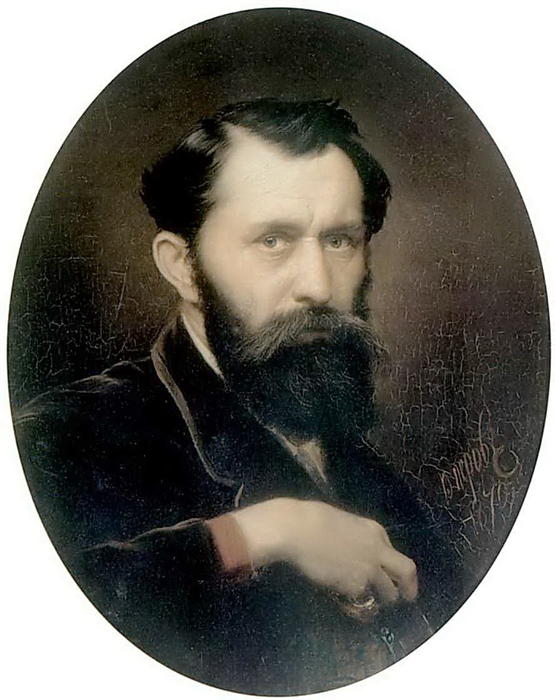
The Self-portrait by Vasily Grigoryevich Perov, created in 1870, is a captivating example of Realism that continues to fascinate art enthusiasts worldwide. This oil on canvas painting measures 63 x 52 cm and stands as a testament to the artist's skill in capturing an accurate depiction of visual reality while simultaneously revealing profound psychological depth.
Perov was a key figure in the Russian Realist movement, which emerged in the mid-19th century as a reaction against Romantic idealism. Realism sought to depict life as it truly was, focusing on everyday subjects and social issues with unflinching honesty. Perov’s work had a significant impact on the development of art in Russia, influencing subsequent generations of artists who embraced this commitment to portraying reality without embellishment. The Self-portrait showcases Perov's ability to blend elements of realism with a deep understanding of human emotion. The painting is characterized by its use of earthy tones, subtle lighting, and an emphasis on texture, which creates a sense of depth and dimensionality. This meticulous attention to detail was central to the Realist aesthetic.
The Self-portrait demonstrates Perov’s mastery of oil painting techniques. The artist employs subtle gradations of color and light to model the face and clothing, creating a sense of volume and realism. Noticeable brushstrokes add texture and vitality to the surface, preventing the image from appearing overly smooth or artificial. The composition is carefully considered; the subject's face is centrally positioned within an oval frame, drawing the viewer’s eye directly to his gaze. The dark background serves to isolate Perov, intensifying the focus on his expression and conveying a sense of introspection. The lighting appears soft and diffused, highlighting the textures of the man’s clothing and facial features.
Beyond its technical brilliance, the Self-portrait resonates with viewers due to its emotional depth. Perov's expression is serious, perhaps even melancholic, inviting speculation about his inner thoughts and feelings. The long beard and hair, rendered with meticulous detail, suggest a man of intellect and experience. The overall somber mood, created by the muted color palette and dark background, contributes to an atmosphere of formality and introspection. While Perov was known for depicting scenes of social hardship in his other works (such as The Queue at The Fountain and A Meal in the Monastery), this self-portrait offers a more personal glimpse into the artist's own psyche.
Vasily Grigoryevich Perov (1834 – 1882) was born in Tobolsk, Russia. His early life was marked by complexity due to his illegitimacy, a circumstance that likely informed his later social commentary through art. He received training at the Alexander Stupin Art School and the Moscow School of Painting. Perov’s contributions to the art world are not limited to his Self-portrait. Other artists who explored the Realist style include Jean Baptiste Camille Corot and Albert Edelfelt. For example, Corot’s A Ford with Large Trees and Edelfelt's Conveying a Child showcase the versatility and range of Realism.

1833 - 1882 , 러시아

Explore the profound depth of Russian Realism. From the social truths of the Peredvizhniki to epic folklore, discover the soulful power of masters like Perov and Yaroshenko through our expert art history insights and museum-quality reproductions.

Explore the profound beauty of 19th-century Russian art. From Ilya Repin's realism to pastoral landscapes, discover the soul of the steppes through our expert historical analysis and museum-quality hand-painted reproductions for discerning collectors.

 미리보기
미리보기
 공유하기
공유하기 공유하기
공유하기
 상세 정보
상세 정보 가이드 보기

 다운로드
다운로드
 유사 작품
유사 작품 X-레이
X-레이 슬라이드 쇼
 통계 정보
통계 정보 더 보기
더 보기









 유리 옵션은 110cm 미만 크기에서만 선택 가능합니다.


