
빠른 제작과 다양한 마감 옵션을 제공하는 박물관 품질의 지클레이 또는 캔버스 프린트. ( 손으로 그린 그림 구매 디지털 이미지로 전환)





























작품의 원본 비율을 유지하는 미리 설정된 크기 중에서 선택하세요.

특정 프레임이나 공간에 맞춰 직접 치수를 입력하실 수 있습니다. 선택하신 사이즈가 원본 이미지의 비율과 일치하지 않을 경우, 작품을 크롭(자르기)하거나 이미지를 대칭 또는 단색 채우기로 확장하여 제작합니다. 제작 시작 전, 최종 확인을 위해 디지털 목업이 전송됩니다.
화면상의 미리보기는 실제 크롭이나 확장 상태를 반영하지 않으므로, 최종 구도는 오직 목업을 통해서만 정확하게 확인하실 수 있습니다.
맞춤 사이즈 제작도 가능하지만, 원본 비율을 유지하기 위해서는 사전 정의된 목록에서 치수를 선택하시는 것을 권장합니다.

Horizontal Volumes
복제본 크기
Umberto Boccioni's “Horizontal Volumes,” painted in 1912, stands as a cornerstone of Futurist art—a movement determined to shatter artistic conventions and embrace the relentless pace of modernity. More than just a depiction of urban life, it’s an ambitious exploration of perception itself, reflecting Boccioni’s profound belief that art should capture not simply what is seen but how it feels.
The painting immediately grabs the viewer's attention with its striking geometric composition. At its core sits a woman seated before a building, her hands clasped together in an act of quiet contemplation—a deliberate juxtaposition against the assertive backdrop of architectural forms. These buildings aren’t merely static structures; they are rendered as interlocking planes and volumes, meticulously constructed using bold lines and angular shapes characteristic of Futurist aesthetics. Boccioni skillfully employs these geometric elements to convey a sense of movement and instability, subtly disrupting traditional notions of perspective.
Boccioni’s artistic endeavors were deeply rooted in the tenets of Futurism, spearheaded by Filippo Tommaso Marinetti. This revolutionary movement championed speed, dynamism, and even violence—a reaction against the perceived stagnation of academic art. “Horizontal Volumes” embodies this spirit, portraying not a tranquil scene but rather an experience of rapid transformation. The artist’s intention wasn't to reproduce reality faithfully; instead, he sought to distill its essence into visual symbols that communicated the sensation of movement and energy.
Beyond its formal qualities, “Horizontal Volumes” resonates with deeper symbolic meanings. The woman’s posture—seated yet engaged—represents a moment of introspection amidst the overwhelming forces of urban life. Her clasped hands symbolize resilience and inner strength, suggesting an ability to withstand external pressures while maintaining a sense of equilibrium. Furthermore, the building itself can be interpreted as representing stability and permanence against which the dynamism of the woman’s presence is contrasted. The painting evokes feelings of contemplation, vulnerability, and ultimately, hope—a testament to Boccioni's conviction that art could illuminate the complexities of the human condition in a rapidly changing world.
To gain a fuller understanding of Umberto Boccioni’s artistic vision and the broader context of Futurism, consider visiting Civica Galleria d'Arte Moderna in Milan, Italy. This museum houses an impressive collection of modern and contemporary art, including significant works by Boccioni himself—such as “Dynamism of a Human Body”—providing invaluable insight into the movement’s aesthetic principles and intellectual currents.

1882 - 1916 , 이탈리아

Explore the exhilarating world of Futurism with our expert guide. Discover how masters like Balla and Boccioni captured speed, power, and modern motion through dynamic avant-garde techniques—essential knowledge for any discerning art collector.
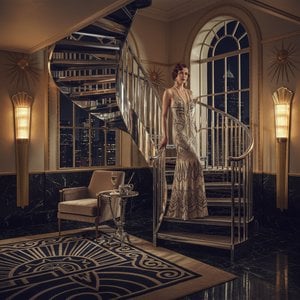
Discover the allure of Art Deco style with our expert guide to luxury interiors. Explore iconic influences from Erté to Jean Dunand and learn to curate a sophisticated space filled with timeless glamour and geometric elegance.

Discover the breathtaking allure of Art Deco. Explore the era's iconic geometry, legendary designers like Erté, and timeless glamour. Perfect for discerning collectors seeking to infuse their spaces with sophisticated modernist elegance and historical prestige.
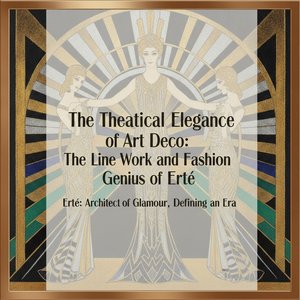
Discover the unparalleled elegance of Art Deco through the lens of Erté. Explore a masterclass in linear precision, theatrical costume design, and high-fashion illustration that continues to define modern luxury and sophisticated interior aesthetics.
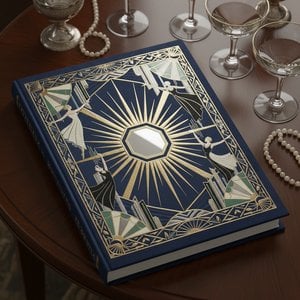
Discover the allure of Art Deco through a curated guide to its most iconic masterpieces. Explore the elegance of Erté and the innovation of Jean Dunand, perfect for collectors seeking timeless glamour and sophisticated design inspiration.


 미리보기
미리보기
 공유하기
공유하기 공유하기
공유하기
 상세 정보
상세 정보

 다운로드
다운로드
 유사 작품
유사 작품 X-레이
X-레이 슬라이드 쇼
 통계 정보
통계 정보

 더 보기
더 보기









 유리 옵션은 110cm 미만 크기에서만 선택 가능합니다.


