실제 크기로 보기 AR로 미리보기 수작업 채색 복제본 주문하기 디지털 이미지 판매 채널로 전환 보내기
상세 보기 가이드 보기 즐겨찾기에 추가 이미지 다운로드 유사 작품 더 보기 X-레이 슬라이드 쇼 보기 통계 정보

Carlo Carrá

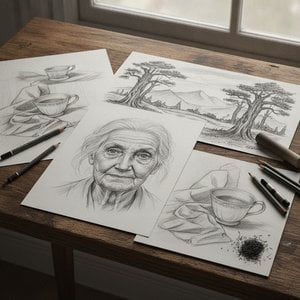
Explore Carlo Carrà's expressive charcoal portrait from Umberto Boccioni’s Futurist movement! This captivating sketch captures the dynamism of Italian art between 1910 and 1935, showcasing Carrà's versatility and influence.

움베르토 보치오니(1882-1916): 이탈리아 미래주의의 선구자! 역동적인 움직임과 현대성을 담은 그림과 조각을 감상하세요. '인체의 역학' 등 주요 작품을 만나보세요!

지클레 / 아트 프린트

빠른 제작과 다양한 마감 옵션을 선택할 수 있는 박물관 수준의 지클레이 및 캔버스 프린트. ( 수작업 채색 복제본 주문하기 디지털 이미지 판매 채널로 전환)

표준 규격
맞춤 제작
CM
INCH

작품의 원본 비율을 그대로 유지하는 프리셋 사이즈 중에서 선택해 보세요.

가로 너비
높이

특정 프레임이나 공간에 맞춰 직접 치수를 입력하실 수 있습니다. 선택하신 사이즈가 원본 이미지의 비율과 일치하지 않을 경우, 작품을 크롭(자르기)하거나 이미지를 대칭 또는 단색 채우기로 확장하여 제작합니다. 제작 시작 전, 최종 확인을 위해 디지털 목업이 전송됩니다.
화면상의 미리보기는 실제 크롭이나 확장 상태를 반영하지 않으므로, 최종 구도는 오직 목업을 통해서만 정확하게 확인하실 수 있습니다.
맞춤 사이즈 제작도 가능하지만, 원본 비율을 유지하기 위해서는 사전 정의된 목록에서 치수를 선택하시는 것을 권장합니다.

전 세계 배송()은 일반적인 4~5주의 소요 기간 대신 2주 이내에 완료됩니다. (25 9월)

why_choose_icon
전 세계 무료 특급 배송
why_choose_icon
고품질 린넨 캔버스
why_choose_icon
배송 전 과정 보험 적용
why_choose_icon
관세 환급 보장 서비스
why_choose_icon
원본 색상 일치 보장
why_choose_icon
제조 결함 발견 시 100일 이내 반품 가능
why_choose_icon
100% 환불 보장
why_choose_icon
다량 구매 할인 혜택

총 결제 금액

$ 68

reproduction

Carlo Carrá

지클레 / 아트 프린트

복제본 규격

-

총 결제 금액

$ 68

주요 정보

  • Title: Carlo Carrà
  • Artist: Umberto Boccioni
  • Movement: Futurism
  • Subject or theme: Portrait
  • Influences: Cubism
  • Notable elements or techniques: Bold lines, hatching, cross-hatching

Carlo Carrà: A Pioneer of Expressionism’s Quiet Revolution

Umberto Boccioni's charcoal sketch of Carlo Carrá stands as a testament to the understated brilliance of Expressionist art—a movement that sought to convey emotion and psychological depth rather than merely replicating visual reality. Unlike the frenetic dynamism championed by Futurists like Marinetti, Boccioni’s approach here prioritizes capturing the essence of Carrà's presence through meticulous linework and tonal modulation. The drawing embodies a profound sensitivity to form and texture, reflecting the influence of Giotto and foreshadowing the groundbreaking explorations of Giorgio de Chirico that would soon follow.
  • Subject Matter: The portrait focuses intently on Carrá’s head and shoulders, presenting him with unwavering gaze—a deliberate choice that underscores the artist's commitment to portraying inner states alongside external appearances.
  • Style & Technique: Boccioni employs a charcoal pencil on paper, utilizing hatching and cross-hatching techniques to build up subtle gradations of tone and create an illusion of palpable surface texture. This method lends itself beautifully to capturing the nuances of Carrá’s facial features and hair—a masterful demonstration of expressive drawing.
  • Composition: The cropped framing emphasizes the figure's centrality, creating a sense of intimacy and immediacy. The placement of handwritten text beneath the image adds another layer of complexity, hinting at personal reflection or perhaps an attempt to contextualize Carrá’s artistic legacy.

Echoes of Giotto: An Archaic Resonance

Boccioni's stylistic choices reveal a deliberate harkening back to the frescoes of Giotto di Bondone—a Florentine painter who revolutionized art by prioritizing emotional truth over idealized representation. Just as Giotto sought to convey spiritual significance through simplified forms and expressive gestures, Boccioni similarly strives to distill Carrá’s character into its most fundamental elements. This stylistic affinity speaks to a broader artistic impulse toward reclaiming the purity of early Renaissance aesthetics—a reaction against the perceived excesses of academic art and a celebration of timeless beauty.
  • Influence: The artist's fascination with Giotto’s work is palpable in his meticulous attention to detail and his preference for organic shapes—characteristics that resonate deeply with Giotto’s groundbreaking approach to portraying human figures.
  • Emotional Impact: Boccioni’s drawing succeeds in conveying a sense of quiet contemplation and understated dignity—qualities that align perfectly with the spiritual ethos of Giotto’s frescoes.

Metaphysical Hints: Exploring Depth Beyond Surface Appearance

The influence of Giorgio de Chirico, whom Boccioni encountered during his travels to Paris in 1912, further expands the artistic horizons of this portrait. Like De Chirico, Boccioni investigates psychological states through unsettling juxtapositions and dreamlike imagery—a technique that anticipates the emergence of “metaphysical painting.” The subtle inclusion of mannequin figures—a recurring motif in De Chirico’s oeuvre—suggests a preoccupation with themes of alienation and existential uncertainty—ideas that find their expression in Carrá's solemn gaze.
  • Symbolism: The use of mannequins serves as a visual metaphor for the artist’s exploration of psychological landscapes—a deliberate departure from traditional portraiture conventions.
  • Historical Context: This stylistic convergence reflects the broader artistic currents of the early 20th century—a period marked by experimentation and intellectual ferment—and underscores Boccioni's commitment to pushing the boundaries of artistic expression.

A Legacy of Quiet Intensity

Ultimately, Umberto Boccioni’s charcoal sketch of Carlo Carrá embodies a profound appreciation for both Giotto’s spiritual vision and De Chirico’s unsettling explorations of psychological depth—a synthesis that secures Carrá's portrait as an enduring masterpiece of Expressionist art. Its understated elegance and masterful technique invite viewers to contemplate the complexities of human experience—a testament to Boccioni’s unwavering belief in the transformative power of art.

작가 소개

움베르토 보치오니: 속도와 역동성의 선구자

움베르토 보치오니는 1882년 이탈리아 레조 칼라브리아에서 태어나 1916년 베로나에서 젊은 나이에 세상을 떠났지만, 그의 삶과 예술은 미래주의 운동의 핵심으로 자리 잡으며 현대 미술에 지대한 영향을 미쳤습니다. 보치오니는 끊임없이 변화하는 도시 풍경과 기계 문명의 역동성을 포착하고자 했던 열정적인 예술가였습니다. 어린 시절 아버지의 직장 때문에 여러 지역을 옮겨 다니며 다양한 풍경을 접한 그는, 로마에서 미술 공부를 시작하며 자유주의 양식의 광고 화가들에게 영향을 받았지만, 필리포 토마소 마리네티의 미래주의 선언문을 읽고 예술적 방향을 완전히 바꾸게 됩니다.

미래주의와의 만남: 혁신의 탄생

1910년, 보치오니는 미술가들의 미래주의 선언에 서명하며 미래주의 운동에 적극적으로 참여했습니다. 이는 단순한 미적 선택이 아닌, 전통의 굴레를 벗고 속도, 기술, 그리고 변화하는 현대 사회의 에너지를 기념하는 철학적인 반항이었습니다. 그는 마리네티의 초기 선언을 발전시켜 시각 예술에 적용하며, 단순히 사물의 모습을 재현하는 것이 아니라 움직임과 감각, 도시 생활의 압도적인 에너지를 전달하는 그림을 추구했습니다. 그의 초기 작품들은 인상주의와 분할주의의 영향을 받기도 했지만, 점차 역동성을 표현하려는 시도가 뚜렷하게 나타나기 시작합니다. 대표작 도시의 상승(1910-1911)은 거대한 규모로 현대 도시 건설의 혼란스러운 모습을 담아내며 미래주의의 이상을 구현합니다. 인간, 건물, 기계가 뒤섞인 소용돌이치는 듯한 모습은 끊임없이 변화하는 도시의 역동성을 시각적으로 표현하고 있습니다.

현실의 해체: 기법과 주제

보치오니의 예술적 발전은 형태에 대한 점점 더 급진적인 접근 방식을 특징으로 합니다. 그는 전통적인 원근법과 구도에서 벗어나 파편화라는 요소를 통해 움직임과 에너지를 표현하고자 했습니다. 사물들은 구성 요소로 분해되고, 힘의 선들이 바깥쪽으로 뻗어 나가며, 색채는 소용돌이치는 패턴으로 혼합되어 시각적인 진동감을 만들어냅니다. 이러한 해체는 단순한 스타일적 특징이 아니라, 현실 자체가 유동적이고 끊임없이 변화한다는 그의 신념에 근거합니다. 그는 사물의 정적인 모습이 아닌, 그 역동적인 본질을 표현하고자 했습니다. 인체의 역학(1913)은 인간의 몸을 견고한 형태로 묘사하는 대신, 움직임을 암시하는 일련의 파편화된 모양으로 표현하며 이러한 점을 강력하게 보여줍니다. 아마도 그의 가장 상징적인 작품인 공간 속 연속성의 독특한 형태(1913)는 회화를 넘어섭니다. 이는 미래주의 이상을 놀라운 힘으로 구현하는 청동 조각상입니다. 팔다리와 몸통이 길어지고 왜곡되어 멈출 수 없는 운동량감을 전달합니다.

유산과 지속적인 영향

1916년 제1차 세계 대전 중 비극적으로 사망한 보치오니는 예술계에 진정으로 선구적인 재능을 잃게 했습니다. 그러나 그의 생각과 작품은 그가 세상을 떠난 후에도 오랫동안 울려 퍼졌습니다. 그는 후속 미래주의 화가뿐만 아니라 구성주의와 추상 표현주의에도 깊은 영향을 미쳤습니다. 움직임, 역동성, 그리고 현대 생활의 표현에 대한 그의 탐구는 새로운 형태의 예술적 표현을 위한 길을 열고 아름다움과 표현에 대한 전통적인 개념에 도전했습니다.
  • 영향: Giacomo Balla의 분할주의 기법, 입체의 형태 파편화, 니체 철학
  • 대표 작품: 인체의 역학, 공간 속 연속성의 독특한 형태, 도시의 상승, 자전거 타는 사람의 역학.
  • 역사적 의의: 20세기 미술의 중요한 인물인 보치오니는 예술적 관습에 도전하고 현대 미술의 방향을 형성하는 데 도움을 주었습니다. 그의 역동성과 움직임 표현에 대한 이론은 오늘날에도 여전히 예술가들에게 영감을 주고 있습니다.
움베르토 보치오니는 예술 혁신의 강력한 상징으로 남아있습니다. 변화를 포용하고 지배적인 질서에 도전하는 것의 힘을 보여주는 증거이며, 오늘날까지도 미술계에 울려 퍼지는 유산을 남겼습니다. 그의 작품은 단순히 움직임을 묘사하는 것이 아니라 그것을 구현하는 것입니다.
움베르토 보치오니

움베르토 보치오니

1882 - 1916 , 이탈리아

작가 정보 요약

  • 국적: 이탈리아인
  • 사망일: 1916년 8월 17일
  • 영향을 받은 예술가/운동:
    • 구성주의
    • 추상 표현주의
  • 영향을 준 예술가:
    • 자코모 발라
    • 전분론주의
    • 입체파
  • 예술 운동/스타일: 미래주의
  • 전체 이름: 움베르토 보치오니
  • 주요 작품:
    • 인체의 역동성
    • 공간 속 연속성의 독특한 형태
    • 도시의 붕괴
    • 자전거 타는 사람의 역동성
  • 출생일: 1882년 10월 19일
  • 출생지: 레조 칼라브리아, 이탈리아
테마, 스타일, 특징별로 큐레이션된 작품들을 만나보세요.