
빠른 제작과 다양한 마감 옵션을 제공하는 박물관 품질의 지클레이 또는 캔버스 프린트. ( 손으로 그린 그림 구매 디지털 이미지로 전환)





























작품의 원본 비율을 유지하는 미리 설정된 크기 중에서 선택하세요.

특정 프레임이나 공간에 맞춰 직접 치수를 입력하실 수 있습니다. 선택하신 사이즈가 원본 이미지의 비율과 일치하지 않을 경우, 작품을 크롭(자르기)하거나 이미지를 대칭 또는 단색 채우기로 확장하여 제작합니다. 제작 시작 전, 최종 확인을 위해 디지털 목업이 전송됩니다.
화면상의 미리보기는 실제 크롭이나 확장 상태를 반영하지 않으므로, 최종 구도는 오직 목업을 통해서만 정확하게 확인하실 수 있습니다.
맞춤 사이즈 제작도 가능하지만, 원본 비율을 유지하기 위해서는 사전 정의된 목록에서 치수를 선택하시는 것을 권장합니다.

Campagna
복제본 크기
Umberto Boccioni's "Campagna," painted in 1908, is more than just a depiction of a landscape; it’s a profound statement about the evolving relationship between humanity and nature within the burgeoning world of early 20th-century modernity. This pastel-hued masterpiece, a cornerstone of the Futurist movement, invites viewers into a dreamlike state, capturing a moment of quiet contemplation amidst a subtly dynamic scene. The painting's power lies not in dramatic action but in its carefully constructed atmosphere – an atmosphere that speaks to the anxieties and aspirations of a generation grappling with rapid industrialization and the promise (and potential peril) of technological advancement.
At first glance, “Campagna” presents a seemingly simple tableau: a woman reclining on the ground, enveloped by a rugged Italian landscape. However, Boccioni’s genius lies in layering this immediate scene with symbolic depth. The woman's pose – lying on her back – immediately evokes vulnerability and openness, suggesting a desire for connection or perhaps a surrender to the beauty of the surrounding world. The rocky terrain, rendered with meticulous detail despite the overall softness of the palette, represents both stability and challenge; a grounding force against which the figures’ thoughts can unfold. The presence of two other figures in the background, engaged in an ambiguous interaction, adds another layer of complexity. Are they observers? Participants? Their uncertain positioning reinforces the painting's theme of introspection and the difficulty of truly understanding one's place within the larger world.
Painted in pastel colors, “Campagna” exemplifies Boccioni’s Futurist approach to representation. The movement favored by Futurists was a rejection of traditional artistic conventions that emphasized static depictions of reality. Instead, they sought to capture the fleeting moments of dynamism—the energy and speed of modern life. While this painting doesn't overtly depict motion in the way some of Boccioni’s other works do, the soft blurring of forms and the delicate layering of color create a sense of movement and atmosphere. The technique is characterized by loose brushstrokes and an emphasis on capturing light and shadow to evoke a dreamlike quality. This approach aligns with the Futurist desire to represent not just what things *look* like, but how they *feel* – the sensation of speed, energy, and transformation.
"Campagna" was created during a period of intense social and artistic upheaval in Italy. The rise of industrialization, coupled with the influence of figures like Filippo Tommaso Marinetti, fueled the Futurist movement’s radical rejection of established artistic norms. Boccioni aimed to capture the spirit of this era – a sense of optimism mingled with anxiety about the future. The painting can be interpreted as a meditation on the human condition in the face of modernity: a yearning for peace and tranquility amidst the relentless forces of change. The pastel palette itself contributes to this symbolism, evoking a sense of serenity and spiritual contemplation—a deliberate contrast to the perceived chaos of the industrial age.


1882 - 1916 , 이탈리아

존 컨스터블 대표작 25선을 만나보세요. 영국 풍경화 거장의 자연주의 회화, 데담 밸리의 아름다움과 헤이 웨인의 정취를 담은 명화를 감상하세요. WahooArt에서 고품질 예술 작품 복제본을 소장하고 특별한 인테리어를 완성해보세요. 지금 바로 컬렉션을 탐험하세요!

Journey into the heart of Impressionism! Explore 10 masterpieces by Monet, Renoir & Degas that revolutionized landscape art. Discover their stories, techniques & find museum-quality reproductions to elevate your home decor on WahooArt.com.
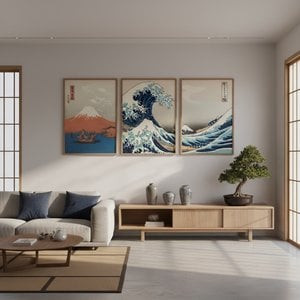
가츠시카 호쿠사이의 최고 걸작 25선을 만나보세요. 우키요에, 대판화 기법과 후지산 풍경의 아름다움을 담은 명작들을 감상하고, WahooArt에서 고품질 아트 프린트와 인테리어 액자를 찾아보세요. 지금 바로 컬렉션을 탐험하세요!

낭만주의 시대, 예술혼을 불태운 10대 풍경화 걸작! 터너부터 프리드리히까지, 시대를 초월하는 아름다움을 와후아트에서 만나보세요. 고흐의 색채와 코로의 섬세함이 당신의 공간에 영감을 더합니다. 지금 바로 와후아트에서 명품 미술 작품을 감상하고 구매하세요!
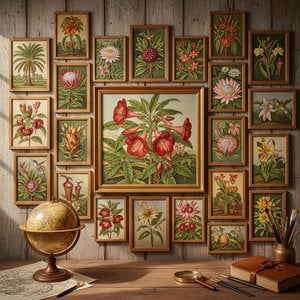
Journey through the vibrant world of Marianne North’s botanical paintings! Explore 25 iconic artworks from this Victorian artist, celebrating exotic flora & travel. Find museum-quality reproductions and curated decor ideas at WahooArt.com.


 미리보기
미리보기
 공유하기
공유하기 공유하기
공유하기
 상세 정보
상세 정보 가이드 보기

 다운로드
다운로드
 유사 작품
유사 작품 X-레이
X-레이 슬라이드 쇼
 통계 정보
통계 정보

 더 보기
더 보기









 유리 옵션은 110cm 미만 크기에서만 선택 가능합니다.


