Tuomusi: The Voice of Mongolian Landscape
Tuomusi, born Tumurtei in 1932 in Tumurtei Zuoiqi, Inner Mongolia Autonomous Region, stands as a monumental figure in Mongolian art history. His formative years were steeped in the traditions of nomadic culture, profoundly shaping his artistic vision and establishing him as one of the foremost proponents of what is affectionately termed “the grassland painting school.” This distinctive style emerged from a deep connection to the vast steppe landscapes of Mongolia—a connection that continues to permeate his oeuvre.
- Early Life & Education: Tuomusi’s formal artistic training commenced at the Central Art Academy in Beijing in 1958, where he honed his skills in oil painting techniques. However, it was his subsequent appointment as instructor at Inner Mongolia Normal University in 1963 that cemented his role as a teacher and nurtured the burgeoning talent of younger artists.
- The Grassland Painting School: The true genesis of Tuomusi’s artistic legacy lies in his pioneering efforts to cultivate a unique aesthetic rooted in Mongolian folklore and visual culture. Recognizing the importance of preserving cultural heritage, he championed a style characterized by bold brushstrokes, vibrant colors—primarily yellows and greens—and an uncompromising depiction of the steppe environment. This approach eschewed Western conventions, prioritizing emotional resonance over meticulous realism.
His artistic journey gained considerable momentum in 1987 when he received the Special Literary and Artistic Prize from Inner Mongolia for his contributions to Mongolian culture. Subsequent accolades included the Wu Zuoren International Fine Arts Award in 1990 and continued governmental support since then, reflecting the esteem with which his work is regarded within Mongolia and internationally. He served on numerous artistic committees—the Education Committee of Art Affairs, Vice President of the Inner Mongolian Writers’ Association, and Chairman of the Mongolian Artists Association—demonstrating a lifelong commitment to fostering artistic excellence.
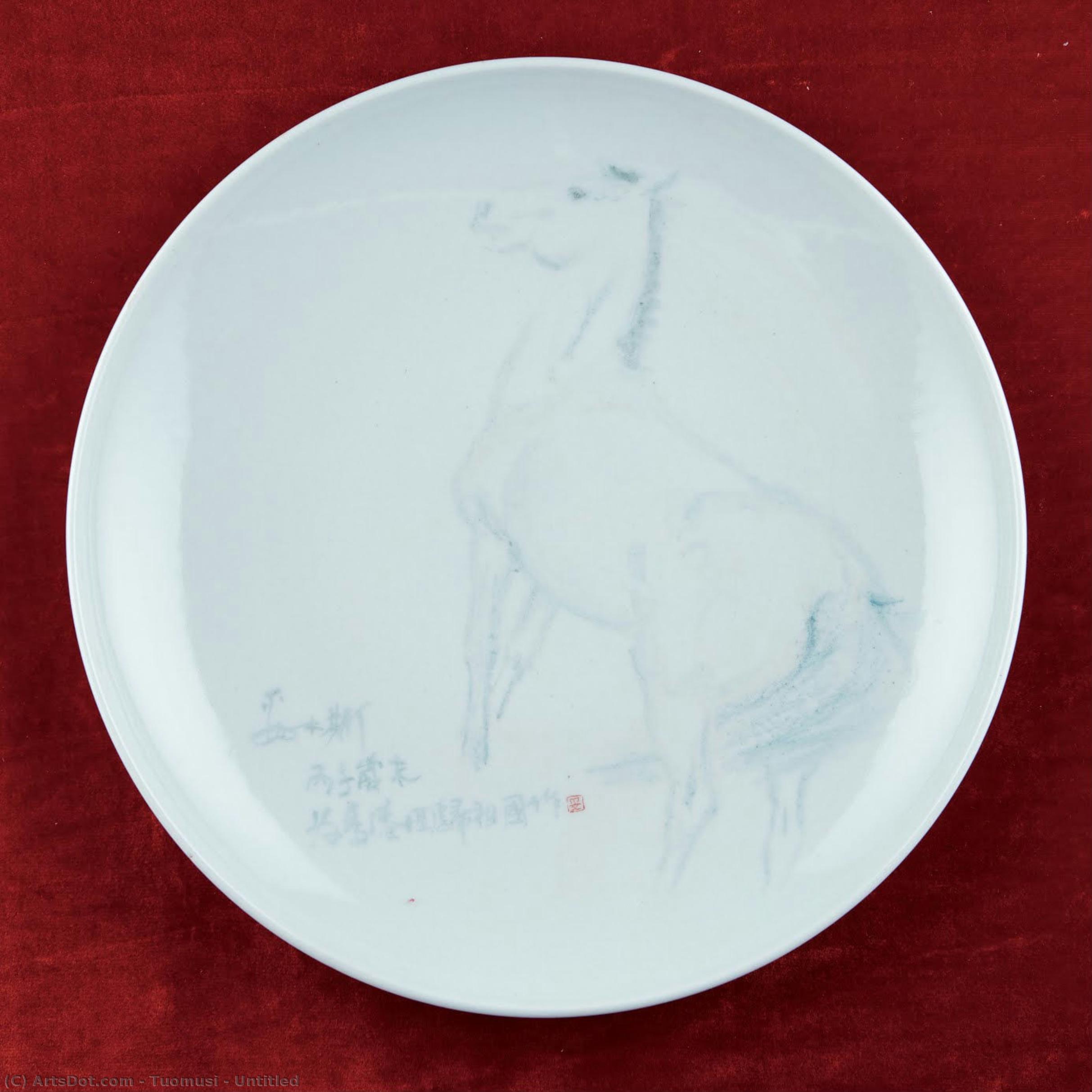
Tuomusi's celebrated paintings explore themes of pastoral life, resilience, and the enduring spirit of Mongolia. Notable works such as “Women in Haystack,” “Close,” “Long Neigh,” and “Old Man” exemplify his masterful command of color and texture, conveying a palpable sense of atmosphere and emotion. These pieces are not merely representations of landscapes; they are embodiments of Mongolian identity—a testament to the artist’s ability to capture the soul of his homeland.
Historical Significance: Tuomusi's influence extends far beyond the confines of Mongolia. He is credited with establishing a distinct artistic idiom that distinguishes Mongolian art from its Western counterparts, fostering a renewed appreciation for indigenous traditions and inspiring generations of artists. His unwavering dedication to preserving cultural heritage and promoting artistic creativity ensures his enduring place as one of Mongolia’s most important cultural figures.



 미리보기
미리보기
 손으로 그린 그림 구매
 공유하기
공유하기 공유하기
공유하기
 상세 정보
상세 정보

 다운로드
다운로드
 유사 작품
유사 작품 X-레이
X-레이 슬라이드 쇼
 더 보기
더 보기






































 유리 옵션은 110cm 미만 크기에서만 선택 가능합니다.





