

빠른 제작과 다양한 마감 옵션을 제공하는 박물관 수준의 지클레이 및 캔버스 프린트. ( 수작업 채색 복제본 주문하기 디지털 이미지로 전환)





























작품의 원본 비율을 그대로 유지하는 프리셋 사이즈 중에서 선택해 보세요.

액자나 벽면 크기에 맞춰 필요한 가로와 세로 길이를 입력해 주세요. 프린트는 원본 이미지보다 크게 제작할 수 없으며 오직 자르는 것만 가능하므로, 비율이 다른 사이즈를 선택할 경우 이미지의 일부가 잘려 나갈 수 있습니다. 인쇄 작업에 들어가기 전, 최종 확인을 위해 디지털 목업을 보내드립니다. 이 페이지에 표시된 이미지는 실제 잘리는 영역을 나타내지 않으며, 오직 목업을 통해서만 정확한 확인이 가능합니다.
The Fisherman
복제본 크기
Tom Thomson's "The Fisherman" isn't merely a depiction of a solitary figure casting his line; it’s a profound immersion into the heart of Canadian wilderness, a distilled essence of the early 20th century’s burgeoning interest in capturing the soul of the land. Painted in 1917, during a pivotal period for both Thomson and the nascent Group of Seven, this oil on wood panel vibrates with an almost palpable sense of tranquility and rugged beauty. The scene unfolds within a dramatically rendered landscape – a rocky outcrop framing a rushing river, culminating in a distant, imposing waterfall. It’s a vista that speaks to the vastness and untamed spirit of Algonquin Park, a place that would become inextricably linked with Thomson's artistic vision.
Thomson, a self-taught artist who emerged from humble beginnings as a pen illustrator, possessed an uncanny ability to translate the raw energy of nature onto canvas. He eschewed academic precision in favor of a direct, emotionally charged approach – a technique that resonated deeply with the Canadian landscape and its people. “The Fisherman” exemplifies this style perfectly; the brushstrokes are loose and expressive, conveying movement and texture with remarkable immediacy. The artist doesn’t attempt to replicate reality with photographic accuracy but rather captures the *feeling* of being present in that specific moment, bathed in the light and surrounded by the sounds of nature.
The painting's power lies significantly in its masterful use of color and texture. Thomson employs a predominantly warm palette – deep reds, oranges, and browns dominate, mirroring the hues of autumn foliage and the earth itself. These rich tones are juxtaposed with cooler blues and greens within the river and surrounding vegetation, creating a dynamic visual harmony. Crucially, he utilizes thick impasto—a technique involving applying paint in heavy layers—to build up texture on the rocks, water surface, and even the fisherman’s clothing. This tactile quality invites the viewer to almost *feel* the roughness of the stone beneath their fingertips or the coolness of the flowing water.
The composition itself is carefully considered. The diagonal thrust of the river draws the eye into the distance, while the towering cliffs provide a sense of scale and drama. Geometric shapes – triangles for the cliffs, curves for the river, and rectangles for the fisherman’s attire – are subtly integrated within the overall impressionistic style. This interplay between structured form and loose brushwork contributes to the painting's captivating visual rhythm.
Beyond its technical brilliance, “The Fisherman” carries significant symbolic weight. The solitary figure represents not just a fisherman but also embodies a deeper connection with nature – a theme central to Thomson’s work and increasingly important in early 20th-century Canada. The act of fishing itself can be interpreted as a metaphor for the human relationship with the natural world: a quiet, respectful engagement seeking sustenance and understanding. The vastness of the landscape underscores the individual's place within it – a humbling reminder of both our dependence on and connection to the environment.
Furthermore, the painting reflects the growing national identity in Canada at the time. Thomson’s focus on the Canadian wilderness resonated with a desire for self-expression and independence from European influences. His work helped to establish a distinctly Canadian artistic voice, paving the way for the Group of Seven and shaping the country's visual landscape for generations to come. “The Fisherman” stands as a testament to this legacy – a timeless image that continues to evoke feelings of peace, solitude, and profound connection with the natural world.
톰 톰슨의 "The Fisherman"의 Earthy 색조는 추천 공간인 Living Room(으)로 완벽하게 어우러집니다.
톰 톰슨의 "The Fisherman"은(는) Calm한 분위기를 자아냅니다. 이러한 특징을 통해 작품을 공간의 무드에 맞춰 선택하는 데 도움을 얻을 수 있습니다.
톰 톰슨의 "The Fisherman"은(는) Landscape 형식입니다. 이 형식은 작품 구성의 비율을 나타냅니다.


1877 - 1917 , 캐나다

Elevate your personal landscapes into breathtaking Impressionist oil masterpieces. WahooArt transforms your cherished photos into museum-quality, hand-painted treasures through academic artistry and premium craftsmanship. Invest in a timeless legacy for your home today.

Explore the ethereal beauty of Impressionist landscapes. Discover how masters like Monet captured fleeting light through color and texture, and learn to curate these timeless, luminous masterpieces for your home collection.

Discover the profound emotional depth of Post-Impressionist landscapes. Explore how masters like Van Gogh revolutionized art through vibrant color, textured impasto, and symbolic expression in this expert guide to the movement that redefined modern art history.

Embark on a visual journey through history's most iconic landscapes. Discover the mastery of Impressionism and the sublime power of nature through our expert guide to classical landscape art, curated for the discerning collector and fine art enthusiast.
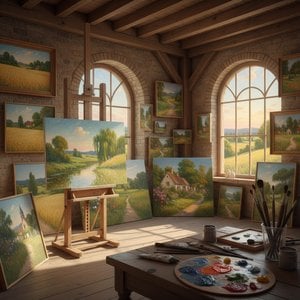
Discover the profound tranquility of rural art through an expert exploration of Impressionist landscapes. From pastoral scenes to textured oil masterpieces, learn how timeless nature-inspired artworks bring enduring elegance and serenity to sophisticated collectors.
 미리보기
미리보기
 공유하기
공유하기 공유하기
공유하기
 상세 정보
상세 정보 가이드 보기

 다운로드
다운로드
 유사 작품 더 보기
 X-레이
X-레이 슬라이드 쇼 보기
 질의응답
질의응답
 통계 정보
통계 정보


 더 보기
더 보기









 유리 옵션은 110cm 미만 크기에서만 선택 가능합니다.


