


x

 캔버스 위에 유화벽화바로크 르네상스
 1570
1570 138.0 x 97.0 cm
 테시엔 본헤르메스자 박물관




























작품의 원본 비율을 유지하는 미리 설정된 크기 중에서 선택하세요.

특정 프레임이나 공간에 맞춰 직접 치수를 입력하실 수 있습니다. 선택하신 사이즈가 원본 이미지의 비율과 일치하지 않을 경우, 작품을 크롭(자르기)하거나 이미지를 대칭 또는 단색 채우기로 확장하여 제작합니다. 제작 시작 전, 최종 확인을 위해 디지털 목업이 전송됩니다.
화면상의 미리보기는 실제 크롭이나 확장 상태를 반영하지 않으므로, 최종 구도는 오직 목업을 통해서만 정확하게 확인하실 수 있습니다.
맞춤 사이즈 제작도 가능하지만, 원본 비율을 유지하기 위해서는 사전 정의된 목록에서 치수를 선택하시는 것을 권장합니다.

성 제롬
복제본 크기
Titian’s “St. Jerome” is not merely a portrait; it's an immersion into the soul of a man wrestling with faith, solitude, and the weight of his prophetic role. Painted in 1570 during the height of the Venetian Renaissance, this oil-on-canvas masterpiece captures the profound introspection of the biblical figure known as the “Devil’s Advocate.” The painting immediately draws the eye to Jerome's weathered face – a testament to years spent in asceticism and prayer – dominated by a long, flowing white beard that speaks volumes about his age and devotion. He sits upon rugged rocks, a deliberate choice suggesting both vulnerability and resilience; he is grounded yet exposed, reflecting the internal struggle at the heart of the subject’s narrative.
The composition itself is carefully orchestrated to heighten the sense of drama and contemplation. The two figures in the background, partially obscured by shadow, are not simply observers but seem to participate in Jerome's silent communion with God. Their presence adds a layer of complexity, hinting at the divine intervention that shapes his life and mission. The prominent cross positioned above, a clear reference to the saint’s role in condemning heresy, underscores the painting’s religious core while simultaneously acknowledging the inherent tension between earthly judgment and spiritual grace.
Titian's signature style is immediately evident in “St. Jerome.” He employs a masterful manipulation of color – a hallmark of Venetian painting—to create an atmosphere of rich warmth and luminous depth. The palette is dominated by earthy tones: ochres, siennas, and browns form the foundation, grounding the scene in a sense of solidity and permanence. However, these muted hues are punctuated by vibrant splashes of crimson and gold, particularly within the folds of Jerome’s cloak and the details of his writing desk. This strategic use of color isn't merely decorative; it serves to draw attention to key elements and imbue the painting with an almost palpable energy.
Titian’s technique is equally remarkable. He utilizes a loose, expressive brushstroke—a characteristic known as “impasto”—to build up layers of paint, creating a tactile surface that seems to shimmer with light. The way he renders texture – the rough stone beneath Jerome's feet, the folds of his garment, the delicate details of his book – demonstrates an unparalleled understanding of form and material. His layering technique also allows for incredible depth and luminosity, capturing the play of light and shadow with breathtaking realism.
“St. Jerome” was created during a period of significant religious and intellectual upheaval in Europe. The Protestant Reformation was challenging the authority of the Catholic Church, leading to increased scrutiny of biblical figures and their roles. Jerome, who famously translated the Bible into Latin and vehemently opposed pagan practices, became a potent symbol of faith and resistance. Titian’s portrayal reflects this context, presenting Jerome not as a triumphant saint but as a man engaged in a deeply personal and often arduous spiritual journey.
Beyond its historical significance, “St. Jerome” resonates with universal themes of introspection, doubt, and the search for meaning. The painting invites viewers to contemplate their own relationship with faith, morality, and the complexities of human existence. It’s a powerful reminder that even in moments of solitude and struggle, there is an enduring connection to something greater than oneself.
WahooArt.com offers meticulously crafted oil painting reproductions of Titian's “St. Jerome,” ensuring that the artistry and emotional depth of this iconic work are accessible to a wider audience. Our skilled artisans employ traditional techniques, utilizing the finest pigments and archival-quality canvas to faithfully recreate every nuance of Titian’s original masterpiece. These reproductions capture not only the visual beauty but also the very spirit of the painting – a testament to Titian's genius and a window into the soul of St. Jerome.


1488년경, 베네치아 알프스 기슭의 작은 마을 피에베 디 카도레에서 태어난 티치아노 베첼리오(Tiziano Vecellio)는 이탈리아 르네상스 미술 역사상 가장 위대한 화가 중 한 명으로 손꼽힙니다. 그의 이름은 ‘티치안’으로 알려져 있으며, 색채와 빛을 다루는 탁월한 능력으로 후대 예술가들에게 지대한 영향을 미쳤습니다. 티치아노의 삶은 겸손한 시작에서 국제적인 명성을 얻기까지, 천재성과 끊임없는 혁신에 대한 헌신의 증거입니다.
16세기 초 베네치아는 상업과 문화가 번성하는 활기찬 중심지였습니다. 티치아노는 모자이크 제작자인 세바스티아노 주카토의 작업장에서 미술 교육을 시작했으며, 이후 젠틸레 벨리니와 그의 형제인 조반니 벨리니의 지도 아래 더욱 발전했습니다. 그러나 특히 조르조네와의 만남은 그의 예술적 성장에 결정적인 영향을 미쳤습니다. 두 사람은 함께 ‘독일 상인들의 창고’ 외벽에 프레스코화를 그리는 등 협업을 통해 서로의 스타일을 공유하며 성장했습니다. 이미 초기 작품에서부터 티치아노의 뛰어난 재능은 뚜렷하게 드러났으며, 이는 곧 그의 명성을 더욱 공고히 하는 계기가 되었습니다.
티치아노의 예술적 발전은 다재다능함과 다양한 기법에 대한 끊임없는 탐구로 특징지어집니다. 조르조네의 영향을 강하게 받은 초기 작품들은 섬세한 서정성과 대기 효과를 만들어내는 색채의 능숙한 사용을 보여줍니다. 예를 들어, ‘퀼트 소매의 남자’는 그의 초상화 재능이 돋보이며, 단순히 인물의 모습을 담아내는 것을 넘어 내면의 성격까지 포착하고 있습니다. 시간이 흐르면서 티치아노는 조르조네의 부드러운 색조에서 벗어나 더욱 대담하고 극적인 색채를 사용하기 시작했습니다. ‘마리아 방문’은 이러한 변화를 잘 보여주며, 복잡한 구도와 생생한 색상을 통해 그의 자신감을 드러냅니다.
티치아노는 끊임없이 예술적 표현의 경계를 넓혔습니다. 부드럽게 혼합된 표면부터 느슨하고 표현적인 붓놀림까지 다양한 붓터치를 실험했으며, 색을 겹쳐 쌓아 빛나는 효과를 만들어내는 독특한 기법을 개발했습니다. 그의 초상화는 심리적 깊이와 사실적인 질감과 직물의 묘사로 명성을 얻었습니다. 동시에 그는 신화 및 종교 주제에서도 뛰어난 재능을 발휘하며, 관객들을 사로잡는 감동과 극적인 강렬함을 불어넣었습니다. 대표작인 ‘우르비노의 비너스’는 여성 누드를 묘사하는 새로운 기준을 제시하고 티치아노를 베네치아 회화의 선두 주자로 확립했습니다.
티치아노의 재능은 유럽 전역의 강력한 후원자들의 관심을 끌었습니다. 그는 신성 로마 제국의 샤를 5세 황제, 스페인의 필리프 2세 왕, 교황 바오로 3세 등 여러 권력자들에게 궁정 화가로 활동하며, 그의 예술적 역량을 거대한 규모의 작품에 담아냈습니다. 이러한 후원은 재정적인 안정을 제공했을 뿐만 아니라, 그의 작품이 광범위하게 알려지는 계기가 되었습니다. 티치아노는 각기 다른 취향을 가진 후원자들에게 자신의 스타일을 적응시키면서도 독특한 개성을 유지하는 뛰어난 능력을 보여주었습니다.
티치아노의 영향력은 그의 생애를 넘어 후대 예술가들에게까지 이어졌습니다. 색채에 대한 혁신적인 사용, 느슨한 붓놀림, 그리고 작품 속 인물의 감정적 본질을 포착하는 데 중점을 둔 그의 접근 방식은 수많은 화가들에게 영감을 주었습니다. 페테르 파울 루벤스, 렘브란트, 외젠 들라크루아, 에두아르 마네 등 셀 수 없이 많은 화가들이 그의 작품에서 영감을 얻었습니다. 그는 고대 르네상스와 바로크 미술의 전환기에 중요한 역할을 수행하며 새로운 예술 스타일과 접근 방식을 위한 길을 열었습니다.
티치아노는 1576년 베네치아에서 세상을 떠났지만, 그의 작품은 여전히 전 세계의 박물관에 전시되어 찬사를 받고 있습니다. 그의 그림들은 피렌체 팔라티나 미술관, 마드리드 프라도 미술관, 런던 국립 미술관 등 다양한 곳에서 감상할 수 있습니다. 티치아노의 작품을 감상하는 것은 인간 조건의 아름다움, 드라마, 복잡성을 포착하는 데 탁월한 능력을 지닌 거장과 만나는 경험입니다.

1490 - 1576 , 이탈리아

Explore the rich history & techniques of oil painting! Discover Renaissance masters, scientific principles behind color, and emotional resonance in art. Learn about glazing, layering, and atmospheric perspective – a guide for enthusiasts & collectors.

Transform your cherished photos into timeless oil paintings with WahooArt's expert artists. Museum-quality reproductions & custom portraits, crafted to last a lifetime. Discover the art of personal legacy.
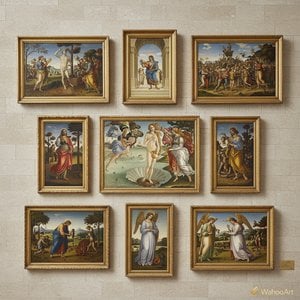
초기 르네상스 미술의 정수를 담은 명작 10! 보티첼리, 다비드 등 거장의 숨결을 느껴보세요. 예술 작품 탄생 비화와 아름다운 색채를 탐구하고, WahooArt.com에서 고품질 아트 프린트 & 인테리어 영감을 얻으세요. 지금 바로 온라인 컬렉션을 만나보세요!
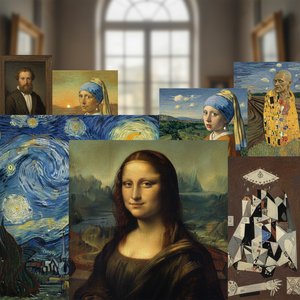
Journey through art history with our Top 10 oil paintings! Explore iconic works by Van Gogh, Monet & Rembrandt. Discover timeless masterpieces and find museum-quality reproductions for your home at .
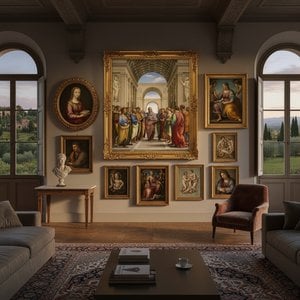
라파엘의 걸작 25선을 만나보세요. 르네상스 시대 예술가의 섬세한 기법과 영혼을 담은 명화들을 감상하고, 아테네 학당, 천사의 학교 등 대표 작품의 숨겨진 이야기를 WahooArt에서 확인하세요. 고급 아트 프린트로 공간에 우아함을 더해보세요! 지금 바로 컬렉션을 탐험하세요.


최신 미술 뉴스, 특별 혜택 및 인테리어 아이디어를 가장 먼저 만나보세요.
프로젝트에 대해 알려주시면 저희 미술 전문가들이 맞춤형 아트 제안 3가지를 전달해 드립니다.
당신만을 위한 맞춤형 옵션 3가지를 무료로 추천해 드립니다!

 작품 구매하기
 공유하기
공유하기 공유하기
공유하기
 상세 정보
상세 정보

 다운로드
다운로드
 유사 작품
유사 작품 X-레이
X-레이 슬라이드 쇼
 더 보기
더 보기









 유리 옵션은 110cm 미만 크기에서만 선택 가능합니다.


