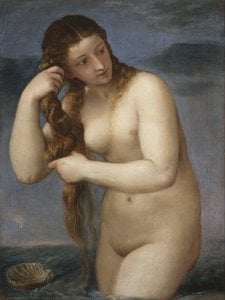
Acrylic On CanvasWallArtHigh Renaissance
 1536
1536 89.0 x 76.0 cm
 피티 궁전
피티 궁전빠른 제작과 다양한 마감 옵션을 제공하는 박물관 품질의 지클레이 또는 캔버스 프린트. ( 손으로 그린 그림 구매 디지털 이미지로 전환)





























작품의 원본 비율을 유지하는 미리 설정된 크기 중에서 선택하세요.

특정 프레임이나 공간에 맞춰 직접 치수를 입력하실 수 있습니다. 선택하신 사이즈가 원본 이미지의 비율과 일치하지 않을 경우, 작품을 크롭(자르기)하거나 이미지를 대칭 또는 단색 채우기로 확장하여 제작합니다. 제작 시작 전, 최종 확인을 위해 디지털 목업이 전송됩니다.
화면상의 미리보기는 실제 크롭이나 확장 상태를 반영하지 않으므로, 최종 구도는 오직 목업을 통해서만 정확하게 확인하실 수 있습니다.
맞춤 사이즈 제작도 가능하지만, 원본 비율을 유지하기 위해서는 사전 정의된 목록에서 치수를 선택하시는 것을 권장합니다.

The Beauty
복제본 크기
“The Beauty,” painted in 1536 by the remarkably prescient Titian Ramsay Peale II, is more than a portrait; it’s a carefully constructed echo of Venetian High Renaissance ideals transplanted to the burgeoning artistic landscape of early America. Peale, born into a family deeply intertwined with the history of American art – his father, Charles Willson Peale, was a foundational figure in establishing the nation's first museum – inherited not just an artistic legacy but also a profound respect for classical forms and techniques. This painting stands as a testament to that inheritance, demonstrating a deliberate and sophisticated engagement with the visual language of masters like Raphael and Leonardo da Vinci.
The subject herself is presented with an almost ethereal grace. Dressed in a flowing blue gown – a color historically associated with royalty and piety – she embodies a serene beauty. The rich hue is masterfully rendered, utilizing layering techniques characteristic of Peale’s style to create depth and luminosity. A delicate gold necklace encircles her neck, instantly elevating the portrait and hinting at wealth and status, while also drawing the eye to the subtle play of light across its surface. Her long hair, intricately braided, frames a face that is both youthful and contemplative; she possesses an inherent dignity that speaks volumes despite the lack of overt expression.
Peale’s meticulous approach to detail is immediately apparent upon close inspection. The artist demonstrates a remarkable command of sfumato, a technique perfected by Leonardo da Vinci, subtly blurring edges and creating an atmospheric haze that softens the forms and imbues the portrait with a sense of mystery. The rendering of fabric—the folds of the gown, the sheen of the necklace—is exceptionally realistic, achieved through careful observation and a deep understanding of anatomy and drapery. The use of oil paint allows for rich color saturation and subtle gradations, contributing to the painting’s overall luminosity. Notice particularly how Peale builds up layers of glaze – thin washes of translucent paint applied over dried underlayers – to achieve this effect.
Furthermore, the composition itself is carefully balanced, adhering to principles of Renaissance perspective. The woman is positioned slightly off-center, creating a dynamic and engaging visual arrangement. The background, though relatively simple, serves to enhance the subject’s presence without distracting from her beauty. Peale's deliberate choices in color and form are not merely decorative; they contribute significantly to the painting’s overall narrative and emotional impact.
“The Beauty” was created during a pivotal moment in American history – a period of rapid growth, exploration, and self-definition. While deeply influenced by European artistic traditions, Peale's work also reflects the unique cultural context of his time. He was part of a generation striving to establish a distinct American identity within the broader framework of Western art. His father’s museum, a hub for scientific inquiry and artistic display, played a crucial role in fostering this dialogue between Old World reverence and New World expression.
The painting can be viewed as an attempt to synthesize these influences – a conscious effort to bring the idealized beauty of the Renaissance to the American scene. It’s a fascinating example of how artists navigated the complexities of cultural exchange during a period of profound transformation. Considering the date, 1536, is particularly striking; Peale was consciously referencing and adapting techniques developed centuries earlier, demonstrating an extraordinary level of artistic awareness.
Beyond its technical brilliance, “The Beauty” carries a subtle yet powerful symbolic weight. The blue dress, as mentioned previously, represents virtue and piety – qualities highly valued in Renaissance portraiture. The gold necklace symbolizes wealth, status, and perhaps even divine favor. However, the woman’s expression is remarkably neutral; she doesn't smile or gaze directly at the viewer, inviting us to contemplate her beauty on our own terms. This deliberate ambiguity adds a layer of complexity to the portrait, suggesting that its true value lies not just in its aesthetic appeal but also in its ability to evoke contemplation and introspection.
Ultimately, “The Beauty” by Titian Ramsay Peale II is a captivating work of art – a testament to the enduring power of classical ideals and a poignant reflection of American artistic ambition. WahooArt offers meticulously crafted hand-painted reproductions that faithfully capture the artistry and nuance of this remarkable piece, allowing you to bring its timeless beauty into your home or studio.

1799년 필라델피아에서 태어난 티티안 램지 필 II는 미국의 초기 미술계에 깊숙이 뿌리내린 예술적 혈통을 자랑했습니다. 그는 조부인 찰스 윌슨 필의 아들로서, 미국 최초의 박물관 설립자이자 뛰어난 초상화가였던 아버지의 그림자에 가려졌지만, 자신만의 독특한 길을 개척했습니다. 티티안은 고대 미술, 특히 베네치아 화파의 미학적 이상에 깊이 뿌리를 둔 예술가였습니다. 그는 단순히 스타일을 모방하는 것이 아니라, 깊은 예술적 감성을 불어넣으며 캔버스에 정교한 디테일과 생생한 색채를 담아냈습니다. 격동적인 미국 사회 속에서 그의 예술적 심장은 고전주의에 대한 존경심과 새로운 세계의 표현 사이의 긴장감을 만들어냈습니다.
필 II의 어린 시절은 예술과 자연 역사라는 이중적인 매력으로 가득했습니다. 그의 아버지는 다방면으로 활동하며 이러한 조합을 키워주었습니다. 그는 1819년~20년에 스티븐 해리먼 롱이 이끄는 로키산맥 탐험에 동행하며, 식물과 동물들을 점점 더 정교한 시각으로 기록했습니다. 이는 단순한 관찰 기록이 아니라 형태, 빛, 질감을 이해하는 과정이었으며, 이후 그림 작업에 전념할 때 큰 도움이 되었습니다. 자연주의자로서의 경험은 그의 예술에 과학적인 정확성을 부여했을 뿐만 아니라, 단순한 묘사를 넘어 감정적 울림을 더했습니다. 그는 단순히 보이는 대로 그리는 것이 아니라, 사물의 본질적인 아름다움과 영적인 의미를 드러냈습니다.
티티안(Titian)에게서 이름을 얻은 그는 베네치아 색채주의의 영향을 받았습니다. 이는 풍부하고 빛나는 색상과 대기 효과를 옹호하는 예술가들의 스타일입니다. 그는 이러한 거장들을 단순히 모방하는 것이 아니라, 그들의 원리를 내면화하여 자신의 예술적 비전에 적용했습니다. 특히 종교 작품에서 두드러지는데, “성스러운 네 명의 성인 제단”, "목자들의 경배"와 같은 그림들은 단순한 장면 묘사가 아닌, 정교하게 구성된 구도와 색채를 통해 감정을 불러일으키는 몰입적인 경험을 선사합니다. 이러한 작품에 나타난 세부 사항에 대한 세심한 주의는 그의 뛰어난 기술뿐만 아니라 주제에 대한 깊은 경외심을 보여줍니다. "미녀"는 인간의 형태와 개성을 우아함과 정교함으로 포착하는 그의 능력을 더욱 입증합니다.
20세기 대부분 동안 티티안 램지 필 II는 미술사적 서술에서 큰 주목을 받지 못했습니다. 그의 작품은 기존의 유행에 쉽게 들어맞지 않았고, 급변하는 예술계에서 고전주의에 대한 헌신이 시대에 뒤떨어진다고 여겨졌습니다. 그러나 최근 몇 년 동안 그의 공헌에 대한 재평가가 이루어지고 있습니다. 학자와 수집가들은 그의 그림을 특징짓는 미국적 감성과 유럽 전통의 독특한 조화에 주목하고 있습니다. 그의 작품의 재발견은 미술사의 빈틈을 메우는 것 이상으로, 19세기 미국의 복잡한 문화적 힘을 더 깊이 이해하는 데 도움이 됩니다. 필 II는 세계를 연결하는 다리이며, 고전적인 이상의 지속적인 힘에 대한 증거이자 예술적 혁신이 예상치 못한 영향력의 조합에서 자주 발생하는 것을 상기시켜 주는 존재입니다.

1799 - 1885 , 미국

Explore the luminous mastery of Titian. Discover how the Venetian master revolutionized color and light through breathtaking Renaissance techniques, from Venus Anadyomene to profound allegories, and learn to bring this timeless brilliance into your private collection.


 미리보기
미리보기
 공유하기
공유하기 공유하기
공유하기
 상세 정보
상세 정보

 다운로드
다운로드
 유사 작품
유사 작품 X-레이
X-레이 슬라이드 쇼
 통계 정보
통계 정보 더 보기
더 보기









 유리 옵션은 110cm 미만 크기에서만 선택 가능합니다.