
x


빠른 제작과 다양한 마감 옵션을 제공하는 박물관 품질의 지클레이 또는 캔버스 프린트. ( 손으로 그린 그림 구매 이미지 구매)
작품의 원본 비율을 유지하는 미리 설정된 크기 중에서 선택하세요.

특정 프레임이나 공간에 맞춰 직접 치수를 입력하실 수 있습니다. 선택하신 사이즈가 원본 이미지의 비율과 일치하지 않을 경우, 작품을 크롭(자르기)하거나 이미지를 대칭 또는 단색 채우기로 확장하여 제작합니다. 제작 시작 전, 최종 확인을 위해 디지털 목업이 전송됩니다.
화면상의 미리보기는 실제 크롭이나 확장 상태를 반영하지 않으므로, 최종 구도는 오직 목업을 통해서만 정확하게 확인하실 수 있습니다.
맞춤 사이즈 제작도 가능하지만, 원본 비율을 유지하기 위해서는 사전 정의된 목록에서 치수를 선택하시는 것을 권장합니다.

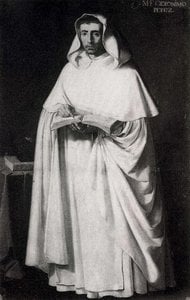
St John
복제본 크기
Within the hushed halls of the Mainfränkisches Museum in Würzburg resides a sculpture that transcends mere representation; it is an embodiment of sorrow, contemplation, and profound spiritual depth – Tilman Riemenschneider's 1505 depiction of Saint John the Baptist. More than just a portrait of a biblical figure, this wooden carving offers a glimpse into the anxieties and burgeoning humanism of late medieval Germany, revealing a master’s ability to imbue inanimate wood with palpable emotion.
Riemenschneider, born in Heiligenstadt around 1460, was a pivotal artist bridging the Gothic and Renaissance eras. His life, marked by displacement and artistic apprenticeship across Swabia and the Upper Rhine, instilled within him a resilience that profoundly shaped his work. This particular sculpture, crafted from meticulously carved Linden wood, exemplifies his signature style: a potent blend of emotional intensity and formal precision. The figure is seated, rendered with an almost unnerving realism – the furrowed brow, the downturned mouth, the clenched fist resting on his thigh—all speak to a deep well of suffering. The details are astonishing; observe the delicate rendering of the folds in his garment, the texture of his hair, and the subtle curve of his hand holding what appears to be a scroll or book – an emblem of both knowledge and perhaps, a lament for lost wisdom.
The pose itself is crucial. Saint John is not depicted as a triumphant prophet or a zealous preacher; instead, he’s presented in a state of quiet despair. The downward gaze suggests introspection, a turning away from the world and towards an inner landscape of grief. This isn't simply mourning the loss of his earthly role – the Baptist’s public ministry was abruptly ended – but also a deeper, more universal sorrow for human fallibility and the transience of life. The sculpture powerfully conveys the weight of bearing witness to Christ’s suffering, a burden that resonates across centuries.
Riemenschneider's masterful use of wood carving is equally compelling. The artist skillfully exploited the natural grain of the Linden wood, creating a rich texture and depth that enhances the figure’s physicality. Notice how he uses subtle variations in shading to model the form, suggesting both solidity and vulnerability. This technique, combined with his expressive rendering of facial features, elevates the sculpture beyond mere representation, transforming it into a conduit for profound emotional experience.
Created around 1505 during a period of significant political and religious upheaval in Germany, Riemenschneider’s St. John reflects the anxieties and uncertainties of the era. The Peasants' War, which ravaged the countryside just a few years later, underscored the fragility of social order and the prevalence of suffering. The figure’s sorrowful expression can be interpreted as a commentary on this broader context – a meditation on human vulnerability in the face of adversity.
Beyond its immediate historical setting, the sculpture is rich in symbolic meaning. The scroll or book held by Saint John represents both divine knowledge and the written word, suggesting a connection to scripture and the teachings of Christ. The gesture of his hand—a subtle clench—can be interpreted as a rejection of worldly power and a commitment to spiritual truth. Furthermore, the choice of wood itself – Linden – was often associated with mourning and remembrance in medieval art.
Tilman Riemenschneider’s St. John is more than just a sculpture; it's a profound meditation on human suffering, faith, and the enduring power of artistic expression. Its quiet intensity continues to resonate with viewers today, inviting contemplation and offering a poignant reminder of our shared humanity. Reproductions of this remarkable work capture only a fraction of its emotional depth, but they serve as a powerful gateway to appreciating the genius of one of Germany’s most important medieval sculptors.


1460 - 1531 , 이탈리아

Journey through art history with our Top 10 bronze sculptures! Explore masterpieces by Rodin, Michelangelo & more. Discover stories behind iconic statues and find museum-quality reproductions for your home decor at WahooArt.com.

존 싱어 사전트의 대표작 25선을 만나보세요. 인상주의 초상화부터 빛과 색채가 아름다운 유화까지, 그의 예술 세계를 탐험하고 WahooArt에서 고품질 아트 프린트로 거실 장식을 완성하세요. 지금 온라인 컬렉션을 확인하세요!

존 컨스터블 대표작 25선을 만나보세요. 영국 풍경화 거장의 자연주의 회화, 데담 밸리의 아름다움과 헤이 웨인의 정취를 담은 명화를 감상하세요. WahooArt에서 고품질 예술 작품 복제본을 소장하고 특별한 인테리어를 완성해보세요. 지금 바로 컬렉션을 탐험하세요!

Explore the rich history of sculpture from ancient masterpieces to contemporary innovations. Discover key techniques, influential artists & investment potential for discerning art collectors.

Journey through art history with 10 legendary bronze sculptures – from Michelangelo's David to Rodin’s Thinker. Explore the stories, techniques & timeless beauty of these masterpieces. Find museum-quality reproductions & elevate your home decor on WahooArt.com.


최신 미술 뉴스, 특별 혜택 및 인테리어 아이디어를 가장 먼저 만나보세요.
프로젝트에 대해 알려주시면 저희 미술 전문가들이 맞춤형 아트 제안 3가지를 전달해 드립니다.
당신만을 위한 맞춤형 옵션 3가지를 무료로 추천해 드립니다!


 공유하기
공유하기 공유하기
공유하기
 상세 정보
상세 정보

 다운로드
다운로드
 유사 작품
유사 작품 슬라이드 쇼


 더 보기
더 보기






































 유리 옵션은 110cm 미만 크기에서만 선택 가능합니다.




![Life Of St John The Evangelist - [01] - St John On Patmos — 조토 디 본도네, Early Renaissance](/media/artworks/images-thumb/6e/49/6e49d55b6f8149eba22f9e0a7e269655.jpg)


