


x

작품의 원본 비율을 유지하는 미리 설정된 크기 중에서 선택하세요.

특정 프레임이나 공간에 맞도록 직접 크기를 입력할 수 있습니다. 선택하신 크기가 원본 이미지의 비율과 일치하지 않는 경우, 작품을 자르거나 추가적인 손으로 그린 요소를 사용하여 그림을 확장합니다. 제작 시작 전 승인을 위해 디지털 목업을 보내드립니다.
화면 미리 보기는 실제 자르기 또는 확장을 반영하지 않습니다. 최종 구성은 목업을 통해서만 정확하게 확인하실 수 있습니다.
맞춤 크기 제작도 가능하지만, 원본 비율을 유지하기 위해 사전 정의된 목록에서 크기를 선택하시는 것을 권장합니다.

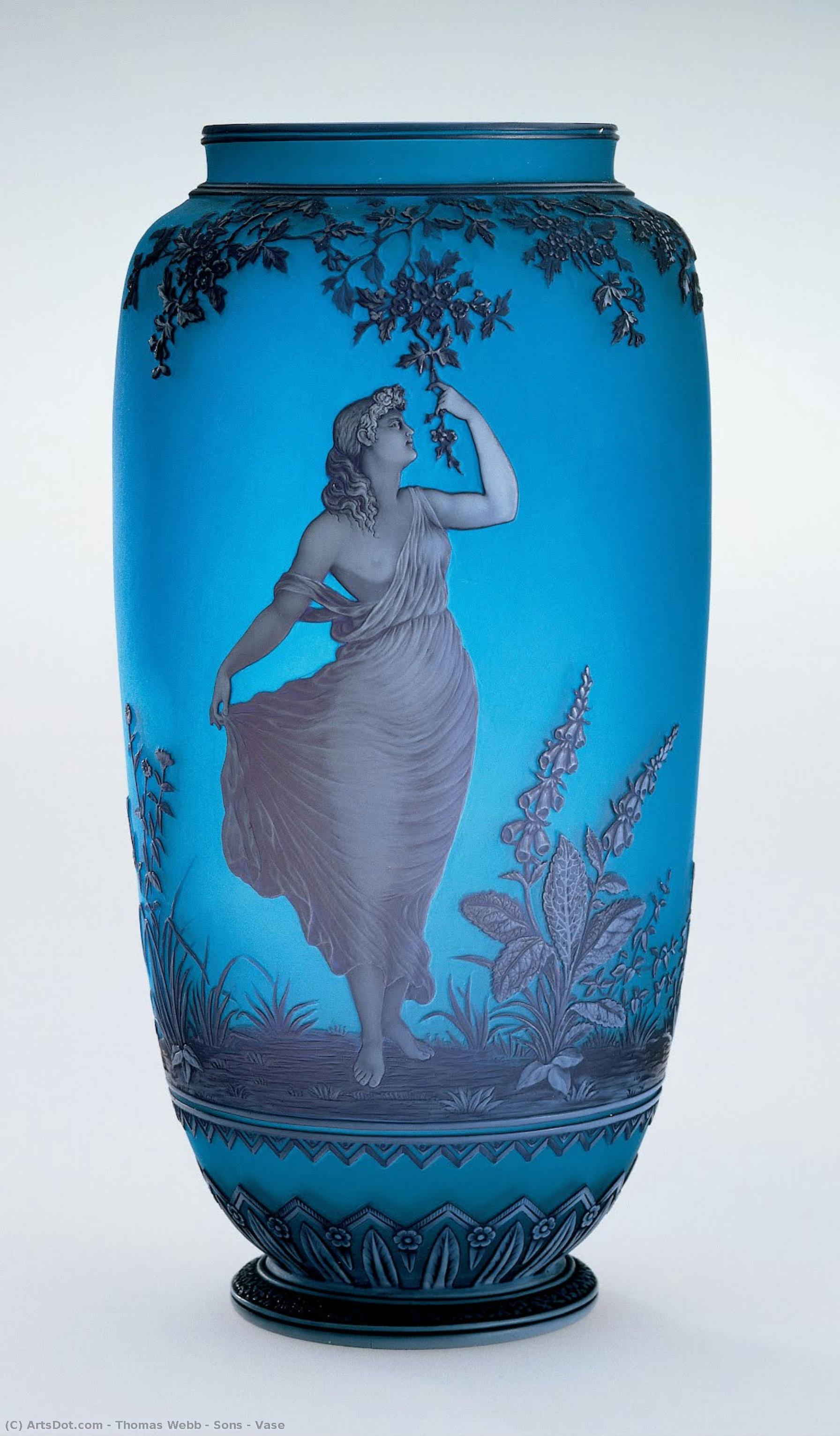
Vase
복제본 크기
Born in 1776 in the serene Suffolk countryside, John Constable’s life was inextricably linked to the landscapes he so passionately depicted. His early years were shaped by his father's role as a corn merchant and owner of Flatford Mill, an environment that instilled within him a deep appreciation for the natural world and its subtle shifts. Unlike the traditional path laid out for him – a career in business – Constable’s heart belonged to the brush, driven by an innate desire to capture the essence of his surroundings with unprecedented honesty and feeling. This wasn't merely about replicating what he saw; it was about translating the very soul of Dedham Vale and its tributaries into paint.
Constable’s artistic journey began modestly, largely through self-taught observation and sketching in the fields surrounding his family’s estate. He meticulously studied the effects of light and shadow, experimenting with techniques to convey atmospheric depth and a sense of immediacy. Unlike many of his contemporaries who favored idealized or theatrical landscapes, Constable sought a more realistic portrayal, embracing imperfections and the transient qualities of nature. His early works, such as *Dedham Vale* (1821), are characterized by their luminous quality and remarkable attention to detail – capturing not just the visual appearance but also the feeling of being present within the scene.
Constable’s work firmly resides within the Romantic tradition, yet he forged his own distinct path. While influenced by artists like Turner and J.M.W. Turner, he rejected the overtly dramatic or sentimental approach often associated with the movement. Instead, he focused on capturing the quiet beauty of everyday landscapes – the rolling fields, meandering rivers, and humble villages of Suffolk. His paintings are imbued with a sense of intimacy and personal connection, reflecting his deep affection for his native county. This focus on the familiar, combined with his masterful use of light and color, distinguished him from many of his contemporaries.
Crucially, Constable’s approach was rooted in direct observation and emotional response. He famously declared, “I should paint my own places best,” emphasizing that painting was not simply a technical exercise but an expression of feeling. This sentiment is powerfully evident in *The Hay Wain* (1821), a quintessential depiction of rural life, where the scene feels both familiar and profoundly moving. The painting’s unassuming subject matter – a simple gathering of villagers by a stream – belies its profound emotional resonance.
Constable's technical innovations were as significant as his artistic vision. He pioneered the use of *plein air* painting—working directly from nature outdoors—a technique that allowed him to capture the fleeting effects of light and atmosphere with unparalleled accuracy. His loose, expressive brushstrokes created a sense of movement and immediacy, while his subtle gradations of color conveyed atmospheric depth and luminosity. Unlike many artists who worked in meticulously controlled studio environments, Constable embraced the spontaneity and unpredictability of outdoor painting.
He was also a master of capturing reflections on water – a skill that became central to his style. His meticulous observation of how light interacted with water surfaces resulted in remarkably realistic depictions of rivers, streams, and ponds. This ability to render the shimmering surface of water, combined with his atmospheric perspective, created a sense of depth and realism rarely achieved by his contemporaries.
Despite facing financial difficulties and initial skepticism from critics, Constable’s work gradually gained recognition during his lifetime. He was elected to the Royal Academy in 1824 at the age of 47, a significant achievement for an artist who had largely operated outside the established art world. His paintings became immensely popular, particularly in France, where they influenced the Barbizon School—a group of French landscape painters who championed *plein air* painting and sought to capture the essence of rural life.
Today, Constable’s landscapes are celebrated for their honesty, emotional depth, and technical brilliance. His paintings continue to resonate with viewers, offering a glimpse into the beauty and tranquility of the English countryside—a testament to his enduring legacy as one of Britain's greatest landscape artists. His work remains a cornerstone of the Romantic tradition, demonstrating the power of art to capture not just what we see but also how we feel about the world around us.

1837 - 1990 , United Kingdom


최신 미술 뉴스, 특별 혜택 및 인테리어 아이디어를 가장 먼저 만나보세요.
프로젝트에 대해 알려주시면 저희 미술 전문가들이 맞춤형 아트 제안 3가지를 전달해 드립니다.
당신만을 위한 맞춤형 옵션 3가지를 무료로 추천해 드립니다!
 프린트 구매하기
 공유하기
공유하기 공유하기
공유하기
 상세 정보
상세 정보

 다운로드
다운로드
 유사 작품
유사 작품 X-레이
X-레이 슬라이드 쇼
 더 보기
더 보기






































 유리 옵션은 110cm 미만 크기에서만 선택 가능합니다.


