
x


 Baroque
 89.0 x 62.0 cm
빠른 제작과 다양한 마감 옵션을 제공하는 박물관 품질의 지클레이 또는 캔버스 프린트. ( 손으로 그린 그림 구매 이미지 구매)
작품의 원본 비율을 유지하는 미리 설정된 크기 중에서 선택하세요.

특정 프레임이나 공간에 맞춰 직접 치수를 입력하실 수 있습니다. 선택하신 사이즈가 원본 이미지의 비율과 일치하지 않을 경우, 작품을 크롭(자르기)하거나 이미지를 대칭 또는 단색 채우기로 확장하여 제작합니다. 제작 시작 전, 최종 확인을 위해 디지털 목업이 전송됩니다.
화면상의 미리보기는 실제 크롭이나 확장 상태를 반영하지 않으므로, 최종 구도는 오직 목업을 통해서만 정확하게 확인하실 수 있습니다.
맞춤 사이즈 제작도 가능하지만, 원본 비율을 유지하기 위해서는 사전 정의된 목록에서 치수를 선택하시는 것을 권장합니다.

A Hawk Striking at a Heron
복제본 크기

Thomas Stringer (1722-1790) remains a somewhat enigmatic figure in the annals of 18th-century British art, yet his captivating equine portraits and meticulously rendered landscapes offer a unique window into the world of aristocratic leisure and rural life. Born in Knutsford, Cheshire, a region steeped in gentry tradition, Stringer’s artistic journey was shaped by both innate talent and a series of influential encounters – from apprenticeship to patronage, and ultimately, a distinctive style that blended observation with a touch of whimsical invention.
Early life provided little indication of the artist he would become. He began as a servant in the household of Peter Legh, a prominent local landowner, an experience that instilled a keen eye for detail and a familiarity with the rhythms of rural existence. However, a falling out led to his departure, setting him on a path toward establishing himself as a professional painter. This early period undoubtedly honed his skills in capturing animal forms – a crucial element in his later success.
Stringer’s career truly blossomed during the mid-18th century, coinciding with a surge in demand for portraits of horses and their riders. The aristocratic pursuit of hunting and equestrian sport fueled this trend, creating a lucrative market for artists capable of depicting these subjects with grace and accuracy. Stringer quickly gained recognition for his ability to capture not just the physical appearance of the animals but also their spirit and movement. His paintings weren’t merely representations; they conveyed a sense of dynamism and connection between horse and rider.
His commissions came primarily from wealthy landowners in Cheshire and beyond – families like the Brooke, Heron, and Smith-Barry, all prominent figures within the region's social and economic landscape. These patrons sought portraits that reflected their status and celebrated their sporting pursuits. Stringer’s work became synonymous with this aristocratic ideal, showcasing a refined aesthetic and an appreciation for the beauty of the countryside.
Stringer's artistic style is immediately recognizable, characterized by a unique blend of observation and illusionistic technique. He possessed a remarkable ability to render details with precision – from the texture of horsehair to the folds in a rider’s clothing – yet he frequently employed techniques that subtly altered the viewer’s perception of space. A common feature of his paintings is the tendency to “disappear” elements into the background, creating an impression of depth and movement. This technique, often described as a form of visual trickery, adds a layer of complexity and intrigue to his compositions.
His use of color was also notable – favoring muted tones and earthy hues that evoked the natural world. He skillfully employed light and shadow to create a sense of atmosphere and drama, further enhancing the realism of his subjects. The signature element of many of his works is the nonchalant crossing of the sitter’s legs, a detail that adds a touch of informality and personality to the portraits.
Among Stringer's most celebrated paintings are “Beauty, a dapple grey,” a captivating portrait of a young mare, and "A gentleman with his hounds in an extensive landscape," which offers a glimpse into the aristocratic pursuit of hunting. “View, Supposedly of Poynton Hall, Cheshire” is another significant work, showcasing Stringer’s ability to capture the beauty of the English countryside.
Despite his prolific output and considerable reputation during his lifetime, Stringer faded from public view after his death in 1790. For many years, his work was largely overlooked, overshadowed by more prominent artists of the era. However, in recent decades, a renewed interest in 18th-century British art has led to a reassessment of Stringer’s contribution – recognizing him as a skilled and imaginative painter who deserves greater recognition for his unique artistic vision. His paintings continue to be exhibited and studied, offering valuable insights into the social and cultural life of Georgian England.
For further information on Thomas Stringer, consider exploring these resources:

1722 - 1790

Explore the dramatic evolution from Baroque's intense chiaroscuro to Rococo's golden elegance. Our expert guide decodes the shift from high-drama shadows to playful, ornate grace for art enthusiasts and collectors seeking deep historical insight.

Explore the profound differences between Baroque drama and Rococo elegance. Our expert guide delves into art history, chiaroscuro, and the evolution of European masterpieces for collectors and enthusiasts seeking deep historical context.
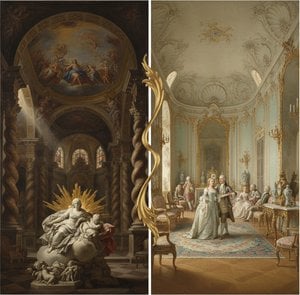
Explore the captivating evolution from Baroque's drama to Rococo's grace! Discover key artists, characteristics & lasting influence of these art movements with expert insights at WahooArt.
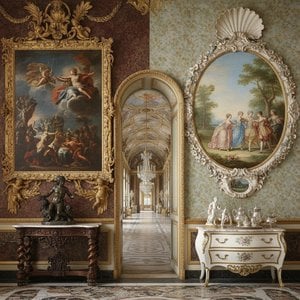
Embark on a cultural journey through the dramatic grandeur of Baroque and the delicate grace of Rococo art. Discover the history, techniques, and timeless beauty of these magnificent eras with our expert-led exploration of European masterpieces.

화려함과 우아함의 절정, 로코코 미술! 부셰, 프라고나르 등 거장들의 걸작 10편을 통해 18세기 예술 황금시대를 만나보세요. WahooArt.com에서 박물관 수준의 명품 아트 프린트와 인테리어 영감을 얻으세요. 지금 바로 온라인 컬렉션을 탐험해보세요!


최신 미술 뉴스, 특별 혜택 및 인테리어 아이디어를 가장 먼저 만나보세요.
프로젝트에 대해 알려주시면 저희 미술 전문가들이 맞춤형 아트 제안 3가지를 전달해 드립니다.
당신만을 위한 맞춤형 옵션 3가지를 무료로 추천해 드립니다!


 미리보기
미리보기
 공유하기
공유하기 공유하기
공유하기
 상세 정보
상세 정보

 다운로드
다운로드
 유사 작품
유사 작품 X-레이
X-레이 슬라이드 쇼
 더 보기
더 보기






































 유리 옵션은 110cm 미만 크기에서만 선택 가능합니다.


