
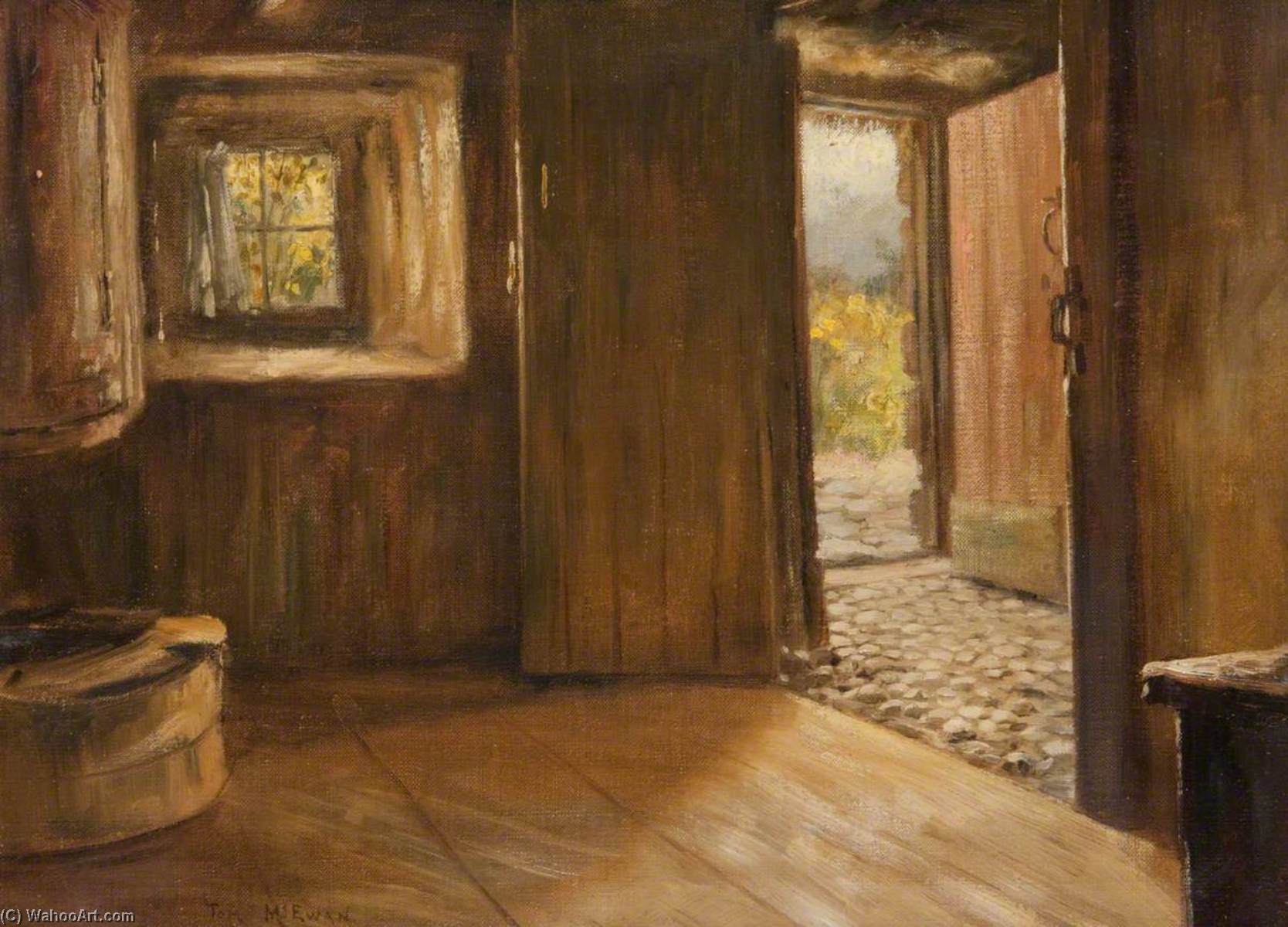
 Contemporary Realism
 36.0 x 46.0 cm
웹 미리보기 화면을 훨씬 뛰어넘는 인쇄용 파일을 만나보세요. 저희가 판매하는 모든 디지털 이미지는 스톡 데이터베이스 내의 고해상도 마스터 파일(일반적으로 가로 5,000~15,000픽셀)을 기반으로 합니다. 따라서 대형 인쇄나 정밀한 크롭 작업 시에도 세밀한 디테일을 자신 있게 구현할 수 있습니다.
저희 스튜디오를 거치는 모든 파일은 정교한 손길을 거칩니다. 디지털 전문가가 원작과 대조하여 색상을 점검하고 필요 시 보정하며, 전문 리터칭 도구를 사용하여 선명도와 디테일을 높입니다. 이 과정에서 작가의 붓 터치와 화풍을 충실히 유지하는 것을 원칙으로 합니다. 그 결과, 단순한 스캔본에 필터를 입힌 듯한 느낌이 아닌, 마치 실제 회화 작품을 보는 듯한 이미지를 구현해냅니다.
최종 완료 전 확인 단계가 있습니다. 전문가가 검토하실 수 있도록 72시간 이내에 이메일로 이미지를 보내드립니다. 결과물이 만족스럽지 않으신가요? 수정이나 보완을 요청하시거나, 품질이 기대에 미치지 못할 경우 환불을 요청하실 수 있습니다.
출판사, 디자인 스튜디오, 갤러리 및 인쇄소가 신뢰하는 바로 그 품질입니다.
개인 소장 및 전시, 인쇄, 창작 프로젝트를 위한 고해상도 파일을 다운로드하세요. ( 프린트 판매로 전환 수작업 채색 복제본 주문하기)
WahooArt.com를 선택하시면 단순히 이미지를 받는 것을 넘어, 정밀한 보정 과정을 거쳐 완성된 전문적인 디지털 예술 작품을 만나보실 수 있습니다. 모든 작품에는 만족 보장 서비스가 함께 제공되며, 주문 시 다음과 같은 사항들이 자동으로 포함됩니다:
주문 후 72시간 이내에 고해상도 디지털 이미지 파일이 이메일로 발송되며, 즉시 사용하실 수 있습니다.
귀하의 작품은 고급 AI 기술과 정교한 수동 편집 과정을 거쳐 전문적으로 최적화되며, 이를 통해 디테일과 선명도, 색상의 정확도를 극대화합니다.
파일을 실수로 삭제하거나 분실하셨나요? 걱정 마세요. 언제든 무료로 다시 보내드립니다.
관세나 부가세, 배송비 부담 없이 작품을 즉시 소장하세요 - 디지털 다운로드는 언제나 면세 혜택이 적용됩니다.
전문적인 도구와 색상 관리 시스템을 통해 디지털 이미지가 원본의 색상을 최대한 정확하게 구현하도록 보장합니다.
구매하신 디지털 이미지에 만족하지 못하실 경우, 100일 이내에 별도의 조건 없이 수정 또는 100% 환불을 진행해 드립니다.
만족스럽지 않으신가요? 디지털 파일을 받으신 후 100일 이내에 조건 없이 전액 환불해 드립니다.
이미지 3매 구매 시 10% 할인 - 5매 구매 시 15% 할인 - 10매 이상 구매 시 20% 할인. 크리에이티브 프로젝트, 갤러리, 에이전시에 매우 유용합니다.

The work of Thomas McEwan, a Scottish painter active primarily in the late 19th and early 20th centuries, offers a poignant glimpse into the rhythms of rural life and the quiet beauty of domestic interiors. Often overlooked by the grand narratives of Victorian art, McEwan’s paintings—characterized by their meticulous detail, soft light, and understated emotion—capture a world of simple pleasures and enduring traditions. He wasn't a revolutionary figure, nor did he seek fame or fortune; instead, McEwan dedicated his artistic life to quietly documenting the everyday experiences of his community, creating a body of work that speaks volumes about the values and sensibilities of his time.
Born near Glasgow in 1846 into a family with a modest but artistic lineage—his father was an amateur artist and a friend of James Docherty, a landscape painter—McEwan’s early exposure to art fostered a lifelong passion. He began his formal training at the Glasgow School of Art under Robert Greenlees, absorbing influences from both the burgeoning Scottish art scene and the more established traditions of Dutch masters like Jozef Israëls, whose emphasis on realistic depictions of working-class life resonated deeply with McEwan’s own artistic sensibilities. His early works demonstrate a clear debt to Israëls, particularly in their careful observation of light and shadow and their focus on portraying ordinary people engaged in everyday activities.
McEwan's subject matter primarily revolved around scenes from rural Scotland—farmsteads, shepherd’s cottages, and the daily routines of villagers. He frequently depicted women engaged in domestic tasks: spinning wool, mending clothes, preparing meals, or caring for children. These weren’t idealized representations; McEwan presented these women with a remarkable honesty, capturing their weariness, resilience, and quiet dignity. He was particularly fond of portraying his own family members as models, imbuing his paintings with a sense of personal connection and familial warmth. His compositions often feature elements of the natural world—rolling hills, grazing livestock, and glimpses of the Scottish landscape—creating a harmonious blend of human activity and rural beauty.
McEwan’s technical skill is evident in his meticulous attention to detail. He employed a refined brushstroke, layering paint with remarkable precision to create textures that evoke the feel of wool, wood, and fabric. His use of light is particularly noteworthy—he masterfully captured the soft, diffused glow of sunlight filtering through windows or illuminating dusty interiors. McEwan’s palette was generally muted, dominated by earthy tones—browns, greens, and grays—which contributed to the paintings' sense of realism and tranquility. He avoided dramatic contrasts in color, opting instead for subtle gradations that enhanced the overall atmosphere.
While influenced by Dutch Realism, McEwan’s style developed its own distinctive character. His compositions are often framed within a traditional format—a close-up view of a domestic scene or a carefully arranged landscape—creating a sense of intimacy and immediacy. He avoided overtly sentimental or melodramatic gestures, instead focusing on capturing the quiet dignity and understated beauty of everyday life. McEwan’s paintings aren't about grand narratives; they are about small moments, simple pleasures, and the enduring values of community and family.
McEwan’s artistic development was shaped by several factors—his exposure to Dutch Realism, his training at the Glasgow School of Art, and the social and cultural context of late Victorian Scotland. The period saw a growing interest in documenting rural life and portraying the working class, driven by both humanitarian concerns and aesthetic interests. The rise of photography also influenced artists like McEwan, who sought to capture the essence of their subjects with greater accuracy and nuance than could be achieved through a photograph.
Furthermore, McEwan’s artistic practice was deeply rooted in his own community. He lived and worked in Helensburgh, a coastal town on the west coast of Scotland, where he had access to a wealth of subject matter—the surrounding countryside, the local villagers, and the rhythms of rural life. His paintings reflect not only his personal observations but also the broader social and cultural values of his time.
Despite not achieving widespread fame during his lifetime, Thomas McEwan’s work has gained increasing recognition in recent years. Art historians and collectors have come to appreciate the quiet beauty and understated emotion of his paintings—a testament to their enduring appeal. His works are now held in several public collections, including the Glasgow Life Museums, and continue to be exhibited at galleries across Scotland and beyond.
McEwan’s legacy lies not in revolutionary innovation but in his ability to capture the essence of everyday life with remarkable skill and sensitivity. He reminds us that beauty can be found in the simplest of moments—a spinning wheel, a loaf of bread, or a shared glance between family members—and that art has the power to connect us to our past and to one another.

1846 - 1914

 실제 크기로 보기
 보내기
보내기 공유하기
공유하기
 상세 보기
상세 보기 가이드 보기

 이미지 다운로드
 유사 작품 더 보기
 X-레이
X-레이 슬라이드 쇼 보기
 Q&A
Q&A 통계 정보
통계 정보 상세 보기
상세 보기


