


빠른 제작과 다양한 마감 옵션을 제공하는 박물관 수준의 지클레이 및 캔버스 프린트. ( 수작업 채색 복제본 주문하기 디지털 이미지로 전환)
작품의 원본 비율을 그대로 유지하는 프리셋 사이즈 중에서 선택해 보세요.

액자나 벽면 크기에 맞춰 필요한 가로와 세로 길이를 입력해 주세요. 프린트는 원본 이미지보다 크게 제작할 수 없으며 오직 자르는 것만 가능하므로, 비율이 다른 사이즈를 선택할 경우 이미지의 일부가 잘려 나갈 수 있습니다. 인쇄 작업에 들어가기 전, 최종 확인을 위해 디지털 목업을 보내드립니다. 이 페이지에 표시된 이미지는 실제 잘리는 영역을 나타내지 않으며, 오직 목업을 통해서만 정확한 확인이 가능합니다.
William Grainge
복제본 크기

Thomas Holroyd (1821 – 1904) stands as a significant, yet often overlooked, figure in 19th-century British art. Born in Rastrick, West Yorkshire, into a family deeply rooted in the burgeoning photographic industry—his father, Benjamin Holroyd, was a pioneering photographer—Thomas’s artistic path diverged early, leading him to pursue painting alongside his brother James. His life unfolded across diverse landscapes and social circles, from the bustling studios of London to the serene beauty of Yorkshire, Egypt, and beyond, resulting in a remarkably varied body of work encompassing portraiture, landscape, and scenes of travel.
Holroyd’s artistic training was initially shaped by formal studies at Leigh's Academy in London and later at Couture’s Academy in Paris. These experiences exposed him to the prevailing trends of the time – Romanticism giving way to Realism – and instilled a keen eye for composition, color, and technique. However, it was his return to Yorkshire that truly defined his artistic output. He established himself as a portrait painter, capturing the likenesses of prominent local figures, including members of Harrogate’s elite, and documenting the social fabric of his community. These portraits, often characterized by their meticulous detail and subtle psychological insight, offer invaluable glimpses into Victorian society.
Holroyd's life was punctuated by extensive travels that profoundly influenced his artistic vision. Before settling in Harrogate, he embarked on a grand tour of Europe, meticulously documenting the diverse cultures and landscapes he encountered. His journeys extended to America, Canada, Egypt, the Holy Land, Russia, and Greece, each location leaving an indelible mark on his palette and subject matter. These expeditions weren’t merely sightseeing trips; they were deliberate artistic investigations, aimed at understanding and representing the world through a painter's eye.
His travels are particularly evident in his landscape paintings. Unlike the idealized depictions of nature prevalent during earlier periods, Holroyd’s landscapes often possess a gritty realism, capturing the textures and nuances of the terrain with remarkable accuracy. The stark beauty of the Yorkshire moors, the vibrant colors of Egypt, or the rugged grandeur of the Russian countryside all find their way onto his canvases. He wasn't simply reproducing scenes; he was conveying an experience—a feeling—of being present in those places.
Holroyd’s most enduring legacy lies within the town of Harrogate, where he established a thriving artistic practice and became a respected member of the community. He shared responsibility for running his brother James' successful photography business, maintaining a dual career that allowed him to pursue both visual arts. Beyond his painting, Holroyd was a founding member of the Harrogate Liberal Club, reflecting his progressive political views.
Perhaps most notably, Holroyd left a substantial bequest to Harrogate Corporation, encompassing a collection of paintings depicting foreign lands, sculptures by his friend William John Seward Webber, and several vintage carved oak furniture props from the photography business. This bequest speaks volumes about his commitment to the town and his desire to share his artistic experiences with future generations. The Mercer Art Gallery in Harrogate houses many of these works, offering a tangible connection to Holroyd’s life and art.
Holroyd's style evolved considerably throughout his career, reflecting the diverse influences he encountered during his travels. Initially influenced by the academic traditions of London, his work gradually incorporated elements of Realism, evident in his detailed depictions of figures and landscapes. His use of light and shadow was particularly noteworthy, creating a sense of depth and atmosphere that brought his subjects to life. He drew inspiration from artists like Couture, but also developed a distinctive approach rooted in his own observations and experiences.
His portraits are characterized by their psychological acuity—he wasn’t merely capturing physical likenesses; he was attempting to convey the character and personality of his sitters. His landscapes, on the other hand, demonstrate a keen understanding of color theory and composition, creating visually arresting images that capture the essence of each location.
Despite his significant contributions to British art, Thomas Holroyd remains somewhat obscure. His prolific output, spanning decades and encompassing diverse subjects and locations, has perhaps contributed to his relative anonymity. However, a closer examination of his work reveals a talented and insightful artist who deserves greater recognition for his unique perspective and artistic achievements. His paintings offer a valuable window into Victorian society, the beauty of the British countryside, and the transformative power of travel.

1821 - 1904
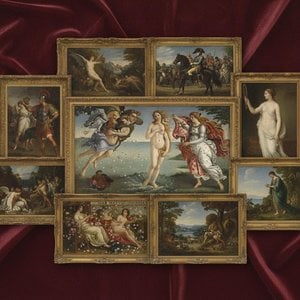
Journey through history with 10 iconic Academic Realism masterpieces. Explore the legendary techniques and stories behind these timeless oil paintings. Find museum-quality art reproductions and elegant decor inspiration at WahooArt.com. Discover all masterpieces on WahooArt.com.

Explore the captivating world of Sir Thomas Lawrence, Regency England's premier portraitist. Discover his artistic techniques, powerful representations of society, and enduring legacy. Expert insights for discerning art collectors.

Explore the life & work of Thomas Phillips (1770-1845), a leading Victorian portrait painter renowned for his captivating portrayals of Britain's 'men of genius'. Discover his artistic journey, patronage, and lasting legacy.

Explore 25 iconic William Hogarth masterpieces. From satire to engraving, discover his legacy. Explore the full collection on WahooArt.com.

Immerse yourself in the elegance of Thomas Gainsborough. Explore 25 iconic masterpieces, from ethereal landscapes to grand British portraits. Find inspiration for museum-quality art reproductions and timeless decor. Discover all masterpieces on WahooArt.com.
 미리보기
미리보기
 공유하기
공유하기 공유하기
공유하기
 상세 정보
상세 정보 가이드 보기

 다운로드
다운로드
 유사 작품 더 보기
 X-레이
X-레이 슬라이드 쇼 보기
 질의응답
질의응답
 통계 정보
통계 정보


 더 보기
더 보기






































 유리 옵션은 110cm 미만 크기에서만 선택 가능합니다.


