
x


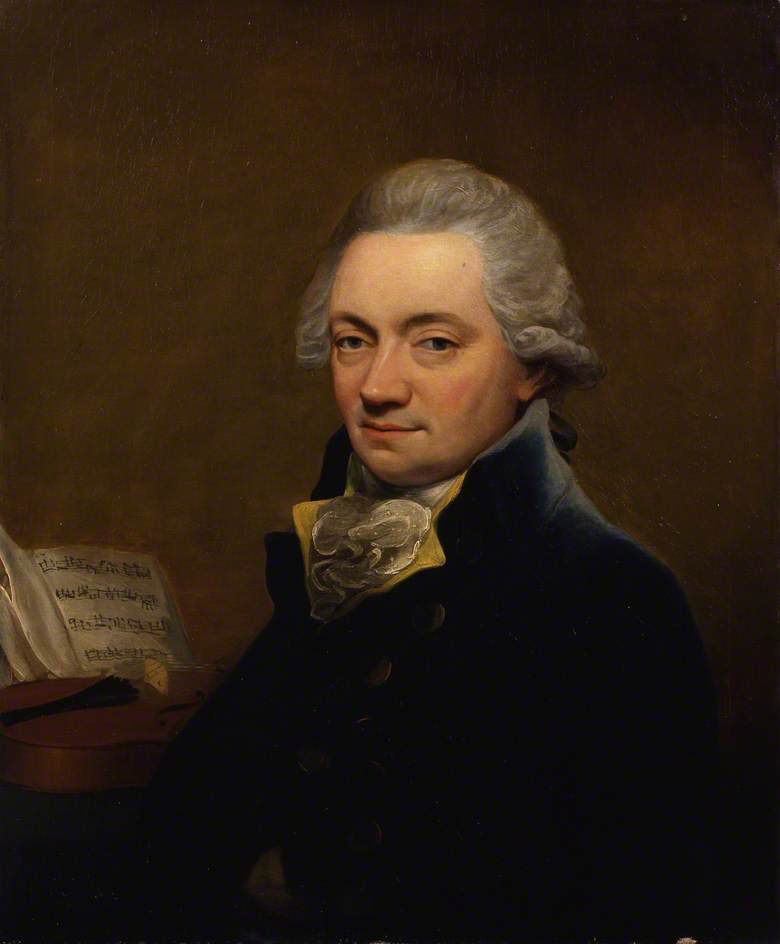
 1792
1792 77.0 x 64.0 cm
 Royal College of Music
빠른 제작과 다양한 마감 옵션을 제공하는 박물관 품질의 지클레이 또는 캔버스 프린트. ( 손으로 그린 그림 구매 이미지 구매)
작품의 원본 비율을 유지하는 미리 설정된 크기 중에서 선택하세요.

특정 프레임이나 공간에 맞춰 직접 치수를 입력하실 수 있습니다. 선택하신 사이즈가 원본 이미지의 비율과 일치하지 않을 경우, 작품을 크롭(자르기)하거나 이미지를 대칭 또는 단색 채우기로 확장하여 제작합니다. 제작 시작 전, 최종 확인을 위해 디지털 목업이 전송됩니다.
화면상의 미리보기는 실제 크롭이나 확장 상태를 반영하지 않으므로, 최종 구도는 오직 목업을 통해서만 정확하게 확인하실 수 있습니다.
맞춤 사이즈 제작도 가능하지만, 원본 비율을 유지하기 위해서는 사전 정의된 목록에서 치수를 선택하시는 것을 권장합니다.

Johann Peter Salomon (1745–1815)
복제본 크기
Thomas Hardy (1757–1804) emerged as a prominent British portrait painter during the Georgian era, leaving an indelible mark on the artistic landscape of his time. Primarily recognized for his captivating depictions of musical figures—notably Joseph Haydn and Muzio Clementi—Hardy’s oeuvre reflects a profound fascination with intellectual pursuits and the burgeoning cultural scene of London. His work stands out due to its meticulous attention to detail and masterful execution, embodying the refined ideals of Neoclassical art through a lens of human character.
Born in Derbyshire, Hardy's early life remains somewhat shrouded in obscurity, though biographical accounts suggest he possessed considerable artistic talent from a young age. He honed his skills under the tutelage of John Opie, a celebrated landscape painter who championed the Romantic movement’s emphasis on emotion and imagination. This mentorship provided a vital foundation, as Opie's guidance instilled in Hardy a profound appreciation for capturing human character with sensitivity and nuance, an influence that subtly permeated Hardy’s stylistic choices throughout his career.
Hardy gained considerable acclaim through his membership at the Royal Academy from 1783, where he exhibited numerous portraits showcasing his exceptional artistic abilities. His technique was often defined by a sophisticated use of chiaroscuro, creating dramatic lighting that emphasized facial features and conveyed an aura of intellectual contemplation. This approach allowed him to transcend mere likeness, imbuing his subjects with a sense of their inner spirit and social standing.
Among his most celebrated works is a striking portrait of Joseph Haydn (1791), executed in oil on canvas. This piece serves as a testament to Hardy’s dedication to portraying musical genius with dignity and grace, utilizing light and shadow to highlight the composer's thoughtful expression. Furthermore, Hardy produced notable portraits of Muzio Clementi (circa 1795) and Brass Crosby (1787), demonstrating his versatility as a painter capable of capturing the essence of prominent figures within London’s musical and civic circles.
Beyond his individual achievements, Hardy's career was marked by significant professional connections. He collaborated closely with John Bland, a publisher who recognized his artistic potential and helped facilitate his presence in the wider art market. This synergy between fine art and publishing played a crucial role in disseminating the imagery of the era's cultural elite.
The historical significance of Thomas Hardy lies in his ability to document the faces of an era defined by Enlightenment ideals and musical revolution. His portraits remain vital historical documents, offering a rare glimpse into the 18th-century social fabric. Through his brush, the intellectual vigor of the Georgian period is preserved, ensuring that the likenesses of these musical luminaries continue to inspire awe and curiosity in the modern age.

1757 - 1804


최신 미술 뉴스, 특별 혜택 및 인테리어 아이디어를 가장 먼저 만나보세요.
프로젝트에 대해 알려주시면 저희 미술 전문가들이 맞춤형 아트 제안 3가지를 전달해 드립니다.
당신만을 위한 맞춤형 옵션 3가지를 무료로 추천해 드립니다!

 미리보기
미리보기
 공유하기
공유하기 공유하기
공유하기
 상세 정보
상세 정보

 다운로드
다운로드
 유사 작품
유사 작품 X-레이
X-레이 슬라이드 쇼
 더 보기
더 보기






































 유리 옵션은 110cm 미만 크기에서만 선택 가능합니다.


