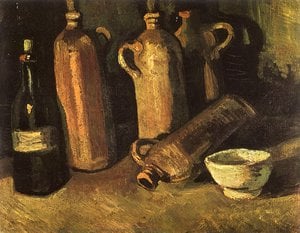
Contemporary Realism
 1940
1940 46.0 x 35.0 cm
빠른 제작과 다양한 마감 옵션을 제공하는 박물관 품질의 지클레이 또는 캔버스 프린트. ( 손으로 그린 그림 구매 디지털 이미지로 전환)
작품의 원본 비율을 유지하는 미리 설정된 크기 중에서 선택하세요.

특정 프레임이나 공간에 맞춰 직접 치수를 입력하실 수 있습니다. 선택하신 사이즈가 원본 이미지의 비율과 일치하지 않을 경우, 작품을 크롭(자르기)하거나 이미지를 대칭 또는 단색 채우기로 확장하여 제작합니다. 제작 시작 전, 최종 확인을 위해 디지털 목업이 전송됩니다.
화면상의 미리보기는 실제 크롭이나 확장 상태를 반영하지 않으므로, 최종 구도는 오직 목업을 통해서만 정확하게 확인하실 수 있습니다.
맞춤 사이즈 제작도 가능하지만, 원본 비율을 유지하기 위해서는 사전 정의된 목록에서 치수를 선택하시는 것을 권장합니다.

Still Life with a Wine Bottle
복제본 크기

In the vibrant, shifting landscape of the Georgian era, few artists possessed the delicate precision required to capture the ephemeral shadows of the human psyche quite like Thomas Burke. Born in Dublin in 1749, Burke emerged from the heart of Ireland to become a defining voice in the British artistic tradition. While history often remembers the grand oil canvases of his contemporaries, Burke carved out a unique and enduring niche through the painstaking art of stipple engraving—a technique where light and shadow are not merely painted, but meticulously woven from thousands of tiny, rhythmic dots of ink.
Burke’s journey began in the disciplined halls of the Dublin Society's Schools under the guidance of Robert West. However, the true expansion of his artistic soul occurred when he moved to London around 1770. It was here, under the tutelage of masters like John Dixon and William Woollett, that Burke refined his ability to manipulate texture and tone. He became a virtuoso of the mezzotint and stipple methods, adopting the elegant chalk-like style popularized by Francesco Bartolozzi. This period of intense study allowed him to bridge the gap between the raw energy of printmaking and the refined grace of classical portraiture.
The true brilliance of Burke’s work lies in his ability to translate the sweeping emotional depth of painting into the monochromatic realm of engraving. He was not merely a reproducer of images but a translator of moods. His most hauntingly beautiful achievement remains his rendition of The Nightmare, an engraving that captures the visceral terror and surreal atmosphere of the original masterpiece with unparalleled nuance. Through the controlled placement of ink, Burke achieved a sense of depth and atmospheric weight that made his prints feel as though they breathed with life.
His technical repertoire was remarkably diverse, allowing him to navigate various artistic movements:
Burke’s reputation was not confined to the studios of London; it reached the very highest echelons of society. His engravings graced the private collections of the British aristocracy, and his skill in capturing likeness and dignity earned him prestigious commissions, including portraits of members of the Royal Family. This level of patronage speaks to a profound trust in his ability to convey not just a physical resemblance, but the inherent character and status of his subjects.
Though he often preferred working for established publishers rather than issuing prints under his own name, his influence permeated the visual culture of the late 18th century. He acted as a vital link in the dissemination of art, bringing the high-style paintings of the era into the homes of the wider public. Even as he dabbled in landscape painting and explored the quietude of still life, his fundamental contribution remained his ability to find the extraordinary within the minute. When Thomas Burke passed away in 1815, he left behind a legacy etched in ink—a testament to a lifetime spent chasing the perfect dot, the perfect shadow, and the eternal beauty of the finely rendered line.

1749 - 1815

Discover the profound beauty of domestic scene art. Explore how masterworks of genre painting capture intimacy and history, offering timeless elegance for the discerning collector seeking to infuse their home with soul and sophistication.

Embark on a sophisticated journey through art history with our exploration of still life masterpieces. Discover the profound symbolism behind classical paintings of drinks and fruit, curated for the true connoisseur seeking timeless elegance and academic depth.
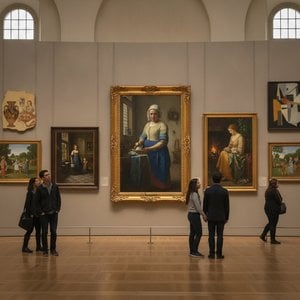
Explore the profound beauty of domestic life through art history. From Dutch Golden Age realism to Post-Impressionist intimacy, discover how masterworks capture the heart of the home and learn to bring timeless elegance into your personal collection with expert guidance.


 미리보기
미리보기
 공유하기
공유하기 공유하기
공유하기
 상세 정보
상세 정보

 다운로드
다운로드
 유사 작품
유사 작품 X-레이
X-레이 슬라이드 쇼
 통계 정보
통계 정보 더 보기
더 보기






































 유리 옵션은 110cm 미만 크기에서만 선택 가능합니다.