
 1961
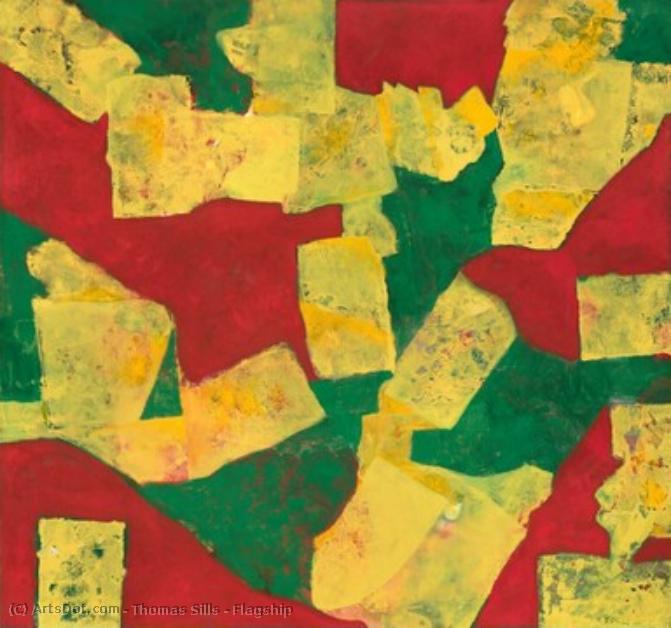
1961 168.0 x 178.0 cm
원하는 크기와 액자로 주문 제작되는, 작가들이 직접 캔버스에 손으로 그린 유화 작품입니다. ( 프린트 판매로 전환 디지털 이미지로 전환)
작품의 원본 비율을 유지하는 미리 설정된 크기 중에서 선택하세요.

특정 프레임이나 공간에 맞도록 직접 크기를 입력할 수 있습니다. 선택하신 크기가 원본 이미지의 비율과 일치하지 않는 경우, 작품을 자르거나 추가적인 손으로 그린 요소를 사용하여 그림을 확장합니다. 제작 시작 전 승인을 위해 디지털 목업을 보내드립니다.
화면 미리 보기는 실제 자르기 또는 확장을 반영하지 않습니다. 최종 구성은 목업을 통해서만 정확하게 확인하실 수 있습니다.
맞춤 크기 제작도 가능하지만, 원본 비율을 유지하기 위해 사전 정의된 목록에서 크기를 선택하시는 것을 권장합니다.

Flagship
복제본 크기

Born in Castalia, North Carolina, in 1914 to a family of eleven, Thomas Albert Sills’s early life was shaped by the rhythms of rural Southern agriculture. This experience—the vibrant hues of the natural world, the textures of earth and plant life—would profoundly influence his artistic vision later in life. Moving to Brooklyn at the age of 11 to live with one of his brothers, he began a journey that would ultimately lead him to become a significant figure in the New York Abstract Expressionist movement. Initially working as a doorman and laborer, Sills’s path toward art was forged through exposure to color – specifically, the rich tones of a greenhouse where he worked as a boy. This early immersion laid the groundwork for his later exploration of color fields and dynamic compositions.
Sills’s formal artistic training began relatively late in life, around 1952, coinciding with his marriage to Jeanne Reynal, a mosaic artist and collector. Reynal's sophisticated circle introduced Sills to the works of European avant-garde artists like Max Ernst and Marcel Duchamp, profoundly impacting his approach to composition and material experimentation. He quickly moved beyond traditional painting techniques, embracing collage—incorporating found objects, nails, dirt, and other unconventional materials into his canvases. This innovative use of texture and surface created a dynamic interplay between the painted image and its surrounding elements.
Sills quickly established himself within the vibrant artistic community of 1950s and 60s New York. He became associated with key figures like Willem de Kooning, Barnett Newman, Mark Rothko, and Elaine de Kooning, engaging in intellectual discussions and exchanging ideas about art. His studio became a gathering place for these influential artists, fostering a dynamic exchange of creative energy. He was particularly influenced by the writings of John D. Graham, whose theories on art emphasized intuitive expression over rigid rules.
Sills’s mature style is characterized by bold color fields, dynamic compositions, and the incorporation of collage elements. His paintings often evoke a sense of movement and energy, achieved through layering colors and textures. He moved away from representational imagery, focusing instead on exploring the expressive potential of color and form. His work stands as a testament to his commitment to personal expression and his willingness to challenge conventional artistic boundaries. Sills’s contributions to Abstract Expressionism are significant, particularly for his innovative use of collage and his exploration of color as a primary means of communication. His paintings are held in prestigious collections across the United States, including the Museum of Modern Art, the Whitney Museum of American Art, and the Metropolitan Museum of Art, solidifying his place as a key figure in 20th-century art.
Thomas Sills’s journey as an African-American artist navigating the predominantly white world of Abstract Expressionism is a compelling story of resilience and artistic vision. He resisted categorization, famously stating, “If somebody told me that I had to paint this way or that I had to do that…I wouldn’t want it. . . . You like it or you don’t like it, but I am doing what I want.” Despite facing systemic barriers, Sills persevered, creating a body of work that reflects his unique perspective and artistic sensibility. His story highlights the importance of recognizing and celebrating the contributions of Black artists within the broader art historical narrative.
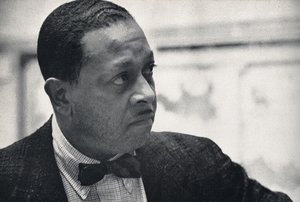
1914 - 2000 , United States of America

 미리보기
미리보기
 공유하기
공유하기 공유하기
공유하기
 상세 정보
상세 정보

 다운로드
다운로드
 유사 작품
유사 작품 X-레이
X-레이 슬라이드 쇼
 통계 정보
통계 정보 더 보기
더 보기






































 유리 옵션은 110cm 미만 크기에서만 선택 가능합니다.


