
온라인 미리보기보다 훨씬 뛰어난 품질의 고해상도 디지털 이미지를 구매해 보세요.
각 파일은 사내 전문가가 고급 도구와 숙련된 수동 리터칭 기술을 사용하여 세심하게 준비합니다. 우리는 모든 이미지가 탁월한 선명도, 정확한 색상 재현력, 그리고 미세한 디테일까지 완벽하게 갖추도록 보장합니다.
최종 파일은 전문적인 편집 및 인쇄 환경에서 즉시 사용할 수 있도록 최적화되어 72시간 이내에 이메일로 발송됩니다. 이는 세계적인 디자인 스튜디오, 출판사 및 갤러리가 신뢰하는 것과 동일한 품질입니다.
개인 소장 및 전시, 인쇄, 창작 프로젝트를 위한 고해상도 파일을 다운로드하세요. ( 프린트 판매로 전환 손으로 그린 그림 구매)
WahooArt.com를 선택하시면 단순히 이미지를 받는 것을 넘어, 정밀한 보정 과정을 거친 전문적인 디지털 예술 작품을 만나보실 수 있습니다. 모든 작품에는 만족 보장 서비스가 함께 제공되며, 주문 시 다음과 같은 사항들이 자동으로 포함됩니다:

주문 후 72시간 이내에 고해상도 디지털 이미지 파일이 이메일로 발송되며, 즉시 사용하실 수 있습니다.

귀하의 작품은 고급 AI 도구와 수동 편집 과정을 거쳐 전문적으로 최적화되며, 이를 통해 디테일과 선명도, 색상의 정확도를 극대화합니다.

파일을 실수로 삭제하거나 분실하셨나요? 걱정 마세요. 언제든 무료로 다시 보내드립니다.

관세나 부가세, 배송비 부담 없이 작품을 즉시 감상하세요 - 디지털 다운로드는 언제나 면세 혜택이 적용됩니다.

전문적인 도구와 색상 관리 시스템을 통해 디지털 이미지가 원본의 색상을 최대한 정확하게 구현하도록 보장합니다.

구매하신 디지털 이미지에 만족하지 못하실 경우, 100일 이내에 별도의 조건 없이 수정 또는 100% 환불을 진행해 드립니다.

만족스럽지 않으신가요? 디지털 파일을 받으신 후 100일 이내에 어떠한 조건 없이 전액 환불해 드립니다.

이미지 3매 구매 시 10% 할인 - 5매 구매 시 15% 할인 - 10매 이상 구매 시 20% 할인. 크리에이티브 프로젝트, 갤러리, 에이전시에 매우 유용합니다.

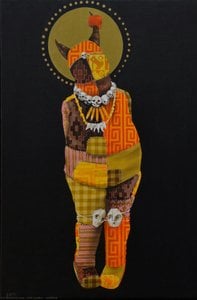
The South African artist Thokozile Gwala is a captivating figure, simultaneously rooted in the vibrant traditions of her homeland and boldly projecting an arresting presence onto the contemporary art scene. More than just an actress known for her role as the formidable witch “Thokozile” in the television drama Imbewu: The Seed, she’s a multifaceted artist whose work—primarily intricate textile tapestries—resonates with potent symbolism and a deeply personal narrative. Gwala's journey is one of reclaiming voice, challenging expectations, and weaving together threads of ancestry, performance, and visual storytelling.
Born in South Africa, Gwala’s early life was shaped by the complexities of apartheid and its enduring legacy. While her acting career brought her widespread recognition, it was through her artistic practice that she truly found a space to articulate her experiences and perspectives. Initially trained as a weaver at the Rorke's Drift Evangelical Lutheran Church Art and Craft Centre, Gwala’s work quickly distinguished itself from the predominantly male-dominated weaving tradition of the time. Unlike many of her colleagues who focused on replicating historical scenes or producing decorative patterns for export, Gwala began to explore themes of identity, spirituality, and social commentary within her tapestries.
Gwala’s tapestries are not merely decorative objects; they are complex visual narratives. Drawing heavily on the legacy of the Rorke's Drift women weavers – Ulla Gowenius and Allina Ndebele – she inherited a tradition that, despite its artistic merit, was often marginalized and undervalued by art historical discourse. These early weavers, working collaboratively within a shared space, developed unique visual languages rooted in both indigenous symbolism and Western influences. Gwala’s work builds upon this foundation, adding her own distinct voice to the conversation.
Her tapestries frequently depict scenes from Zulu history – not as straightforward chronicles of military victories, but rather as layered interpretations imbued with personal resonance. She doesn't simply recreate historical events; she reimagines them through a distinctly female lens, exploring themes of resilience, spirituality, and the enduring strength of community. The use of vibrant colors—deep reds, rich blues, and earthy browns—contrasts sharply with the often muted tones associated with traditional Zulu textiles, creating a visual dynamism that mirrors the complexity of her subject matter. The intricate patterns themselves are not merely decorative; they function as symbolic codes, conveying layers of meaning through their arrangement and execution.
Gwala’s artistic development has been shaped by a confluence of influences. The legacy of the Rorke's Drift women weavers is undoubtedly central to her practice, providing both a technical foundation and a philosophical framework. However, she also draws inspiration from contemporary South African art, particularly the work of artists who are challenging dominant narratives and reclaiming marginalized histories. Furthermore, her experience as an actress—particularly her portrayal of the witch “Thokozile”—has profoundly impacted her artistic vision, informing her use of symbolism and her willingness to explore darker themes.
Her work has been exhibited in South Africa and internationally, garnering critical acclaim for its originality and emotional depth. The tapestries are not simply objects of aesthetic appreciation; they are powerful statements about identity, history, and the enduring spirit of a people. The influence of her work extends beyond the art world, sparking conversations about gender, race, and cultural representation.
While Gwala’s acting career has brought her considerable recognition, it is through her tapestries that she has truly established herself as a significant voice in contemporary South African art. Her work continues to evolve, exploring new themes and pushing the boundaries of traditional weaving techniques. She remains committed to reclaiming the narratives of women—particularly Black women—and challenging dominant historical accounts.
Gwala’s story is one of resilience, creativity, and a profound commitment to artistic expression. Her tapestries are not just beautiful objects; they are windows into a complex and often overlooked history – a testament to the power of art to shape our understanding of the past and illuminate the possibilities for the future.

South Africa


 미리보기
미리보기
 공유하기
공유하기 공유하기
공유하기
 상세 정보
상세 정보 가이드 보기

 다운로드
다운로드
 유사 작품
유사 작품 X-레이
X-레이 슬라이드 쇼
 통계 정보
통계 정보

 더 보기
더 보기




![[indian Woman And Child] — 찰스 러셀, Folk Art](/media/artworks/images-thumb/f7/b5/f7b5e9cfd7a06e70bccf9f5bda620235.jpg)


