

 Oil On CanvasWallArtDe Stijl
 1928Modern
 50.0 x 50.0 cm
작가가 직접 캔버스에 손으로 그린 유화 작품으로, 원하는 크기와 액자로 맞춤 제작해 드립니다. ( 프린트 판매로 전환 디지털 이미지 판매 채널로 전환)





























작품의 원본 비율을 그대로 유지하는 프리셋 사이즈 중에서 선택해 보세요.

액자나 벽면 크기에 맞춰 필요한 가로와 세로 길이를 입력해 주세요. 본 작품은 수작업으로 제작되므로, 요청하신 비율에 따라 작가가 그림의 가장자리를 조금 더 넓게 그리거나 일부를 조정하여 작업할 수 있습니다. 작업 시작 전, 최종 확인을 위해 디지털 목업 이미지를 보내드립니다. 이 페이지에 표시된 이미지는 실제 결과물과 다를 수 있으며, 오직 목업 이미지만이 정확한 결과물을 보여줍니다.
Composition with half values
복제본 규격
Theo van Doesburg's "Composition with half values," created in 1928, stands as a pivotal work within the De Stijl movement. This oil on canvas painting exemplifies the artist’s dedication to geometric abstraction and his exploration of visual harmony through carefully balanced forms and colors. Housed in the Kunstmuseum Basel, Switzerland, this piece is more than just an aesthetic arrangement; it's a testament to a revolutionary artistic philosophy.
To fully appreciate "Composition with half values," understanding the De Stijl movement is crucial. Founded in 1917 by Piet Mondrian and van Doesburg, De Stijl (meaning “The Style” in Dutch) aimed to create a universal artistic language based on pure abstraction. The movement rejected representational art, believing that it distracted from underlying mathematical principles of harmony and order. Key tenets included:
De Stijl artists believed that by reducing art to its essential elements, they could reveal universal truths about the universe and contribute to a more harmonious society.
The painting itself is a striking example of these principles. It features a grid-like structure dominated by rectangular shapes in muted blues and whites. A large, vibrant blue square disrupts the otherwise orderly arrangement at the top, while a yellow rectangle anchors the composition at the bottom. The interplay between these elements creates a dynamic tension.
The title "Composition with half values" refers to van Doesburg's exploration of visual balance. He sought to create compositions where opposing forces – like color and shape – were in equilibrium, representing a sense of harmony. While Mondrian favored strict right angles, van Doesburg later reintroduced diagonals into his work, as seen here, pushing the boundaries of De Stijl’s established rules.
Although abstract, "Composition with half values" evokes a range of emotions. The rigid geometry can convey a sense of order and control, while the contrasting colors introduce an element of surprise and visual excitement. The painting's lack of representational imagery encourages viewers to engage directly with the forms and colors themselves, prompting introspection and contemplation.
Beyond its aesthetic qualities, the artwork symbolizes a search for universal harmony and balance through reduction to fundamental geometric elements. It reflects a broader cultural shift towards abstraction in the early 20th century, as artists sought new ways to express their ideas and challenge traditional artistic conventions. "Composition with half values" remains a powerful testament to the enduring legacy of De Stijl and its profound influence on modern art and design.
테오 반 뒤스부르흐의 "Composition with half values"은(는) Modern한 분위기 속에서 abstract, geometric, composition, rectangles, primary colors, de stijl, grid, minimalism을(를) 묘사합니다. 작품의 주제와 분위기가 어우러져 하나의 완성된 세계를 보여줍니다.
"Composition with half values"은(는) De Stijl 양식의 작품입니다. 이 사조는 해당 작품이 속한 예술적 전통을 나타냅니다.
테오 반 뒤스부르흐의 "Composition with half values"의 색채는 Discordant Palette 조화를 보여줍니다. 조화란 색상들이 서로 어떻게 어우러지는지를 의미합니다.


1883 - 1931 , 네덜란드

Explore the profound spiritual depth of geometric abstraction. From Malevich's Suprematism to modern masters, our expert guide reveals how pure form and color command presence in fine art collections.
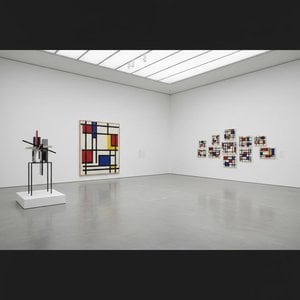
Explore the profound essence of Neoplasticism. Discover how Piet Mondrian and De Stijl masters used pure color and geometric form to redefine modern art. An essential guide for collectors seeking to understand the enduring power of abstract harmony and universal order.

Explore the profound elegance of De Stijl. Discover how Piet Mondrian and the masters of Neoplasticism utilized geometric harmony and primary colors to redefine modern abstraction. An authoritative guide for the discerning collector seeking timeless, structured beauty.

 실제 크기로 보기
 보내기
보내기 공유하기
공유하기
 상세 보기
상세 보기 가이드 보기

 이미지 다운로드
 유사 작품 더 보기
 X-레이
X-레이 슬라이드 쇼 보기
 통계 정보
통계 정보 상세 보기
상세 보기









 유리 옵션은 110cm 미만 크기에서만 선택 가능합니다.


