
빠른 제작과 다양한 마감 옵션을 제공하는 박물관 품질의 지클레이 또는 캔버스 프린트. ( 손으로 그린 그림 구매 디지털 이미지로 전환)
작품의 원본 비율을 유지하는 미리 설정된 크기 중에서 선택하세요.

특정 프레임이나 공간에 맞춰 직접 치수를 입력하실 수 있습니다. 선택하신 사이즈가 원본 이미지의 비율과 일치하지 않을 경우, 작품을 크롭(자르기)하거나 이미지를 대칭 또는 단색 채우기로 확장하여 제작합니다. 제작 시작 전, 최종 확인을 위해 디지털 목업이 전송됩니다.
화면상의 미리보기는 실제 크롭이나 확장 상태를 반영하지 않으므로, 최종 구도는 오직 목업을 통해서만 정확하게 확인하실 수 있습니다.
맞춤 사이즈 제작도 가능하지만, 원본 비율을 유지하기 위해서는 사전 정의된 목록에서 치수를 선택하시는 것을 권장합니다.

Sharpening the wood
복제본 크기
In the quiet, sun-drenched corners of the Kalahari, where the boundary between humanity and nature blurs, Tessa Barlin captures a profound moment of ancestral continuity. Her photograph, Sharpening the Wood, is far more than a mere documentation of manual labor; it is an intimate window into the soul of indigenous craftsmanship. The viewer is immediately drawn into a tight, focused composition that prioritizes the tactile reality of the present moment. Through her lens, we witness the rhythmic, meditative process of an indigenous man honing a wooden tool, likely an axe or adze. There is no unnecessary spectacle here—only the raw, unembellished truth of hands meeting wood and stone, a scene that feels both ancient and urgently alive.
The technical mastery of Barlin’s documentary style lies in her ability to use natural light to sculpt form and texture. The daylight falls across the subject with a gentle precision, casting soft shadows that accentuate the rugged grain of the wood, the weathered topography of the man's skin, and the heavy, grounded presence of the stones used in the process. This interplay of light and shadow creates a shallow depth of field that pulls the observer into the foreground, making the grit of the earth and the sharpness of the tool feel almost tangible. The color palette is a sophisticated study in organic warmth, dominated by earthy browns, muted tans, and deep grays that evoke the very soil from which this way of life springs.
Beyond its striking visual realism, Sharpening the Wood serves as a powerful symbolic vessel. Each movement captured in the frame speaks to the concept of preparation and the preservation of heritage. The act of sharpening is a metaphor for the maintenance of culture itself—a continuous, deliberate effort to keep traditions keen and functional in a rapidly changing world. The materials featured—wood, stone, metal, and skin—represent a closed loop of ecological connection, reminding us of a time when human survival was intimately entwined with the rhythms of the natural environment.
For the collector or the interior designer, this piece offers an emotional anchor of stability and quiet industry. It evokes a sense of resilience that is deeply moving, providing a contemplative focal point for spaces that value authenticity and groundedness. The image does not merely depict a task; it celebrates the dignity of skill and the enduring strength of indigenous identity. To hang such a work is to invite a narrative of respect and environmental consciousness into one's surroundings, making it an exquisite choice for those who seek art that speaks to the profound beauty found in the simplest, most essential human endeavors.


1994 - , 남아프리카 공화국

Embark on a visual journey through the evolution of fashion photography. Discover how masters like Gianfranco Ferré blended geometry, surrealism, and texture to redefine high-fashion art for collectors and connoisseurs of luxury imagery.

Explore the profound evolution of contemporary photography through a connoisseur's lens. From monochrome mastery to digital innovation, discover how modern photographic works shape fine art collections and define our cultural legacy.

Explore the profound emotional depth of documentary photography art. Discover how collectors curate powerful historical narratives through museum-quality black and white prints and fine art reproductions that preserve humanity's most resilient moments.

Explore the profound artistry of black and white photography. From historical mastery to the interplay of light and shadow, discover how monochrome captures timeless emotion and form through a sophisticated lens of art history.
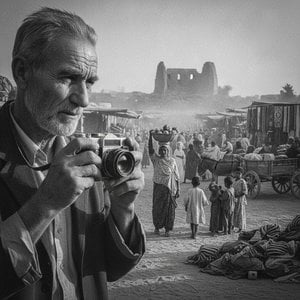
Explore the profound evolution of documentary photography through a cultural lens. From early social realism to modern visual narratives, discover how photographers have captured history, labor, and the human condition to redefine fine art.


 공유하기
공유하기 공유하기
공유하기
 상세 정보
상세 정보 가이드 보기

 다운로드
다운로드
 유사 작품
유사 작품 슬라이드 쇼
 통계 정보
통계 정보


 더 보기
더 보기






































 유리 옵션은 110cm 미만 크기에서만 선택 가능합니다.


