
빠른 제작과 다양한 마감 옵션을 제공하는 박물관 품질의 지클레이 또는 캔버스 프린트. ( 손으로 그린 그림 구매 디지털 이미지로 전환)
작품의 원본 비율을 유지하는 미리 설정된 크기 중에서 선택하세요.

특정 프레임이나 공간에 맞춰 직접 치수를 입력하실 수 있습니다. 선택하신 사이즈가 원본 이미지의 비율과 일치하지 않을 경우, 작품을 크롭(자르기)하거나 이미지를 대칭 또는 단색 채우기로 확장하여 제작합니다. 제작 시작 전, 최종 확인을 위해 디지털 목업이 전송됩니다.
화면상의 미리보기는 실제 크롭이나 확장 상태를 반영하지 않으므로, 최종 구도는 오직 목업을 통해서만 정확하게 확인하실 수 있습니다.
맞춤 사이즈 제작도 가능하지만, 원본 비율을 유지하기 위해서는 사전 정의된 목록에서 치수를 선택하시는 것을 권장합니다.

Shock of Time
복제본 크기

Sun Xun’s artistic journey began in the heart of China, a nation steeped in a rich and complex cultural heritage—traditions that continue to breathe life into his distinctive visual language. Born in 1980 in Fuxin, Liaoning Province, just as the echoes of the Cultural Revolution were beginning to fade, Sun was shaped by a landscape defined by both historical weight and transformative change. He pursued his formal training at the prestigious China Academy of Art, graduating in 2005 with a focus on printmaking. This foundational mastery of texture and line would later become the bedrock upon which he built his much more expansive, multidisciplinary universe.
His early career was marked by a remarkable moment of creative necessity that birthed a new cinematic language. While studying at the academy, driven by a profound desire to create films but lacking the financial means to acquire a camera, Sun turned inward to the tactile world of hand-drawn art. He began to meticulously draw each frame of his animations, effectively turning the static medium of printmaking into a living, breathing sequence of motion. This resourceful approach led to the creation of his acclaimed 200 and 6 animated film, Shock of Time, a work that garnered international attention for its haunting, monochromatic beauty and its ability to weave historical fragments into a cohesive, moving tapestry.
Sun Xun’s practice is a masterful alchemy, where the ancient meets the contemporary. He does not merely use different mediums; he allows them to converse with one another to explore themes of memory, time, and transformation. His technical repertoire is vast, spanning acrylic paint, ink wash techniques, pastel, and various forms of woodcut printmaking. By integrating these traditional methods with the modern practice of stop-motion animation, he creates a sense of temporal layering. In his work, the viewer often feels as though they are witnessing a dream being reconstructed from the debris of history.
The aesthetic of his work is frequently described as surreal and dreamlike, characterized by fragmented figures and landscapes that defy easy categorization. Yet, beneath this fantastical surface lies a deep, scholarly engagement with historical narratives. He often utilizes symbolic subject matter—such as animals to represent specific people or ideas—to navigate the delicate boundary between reality and fantasy. His use of tree bark paper for site-specific installations or the incorporation of vintage newspapers from the 1950s into his film backgrounds serves to ground his surrealist visions in a tangible, historical reality, making the past feel palpably present.
The significance of Sun Xun’s work lies in its ability to act as a vessel for collective memory. He frequently revisits pivotal moments in Chinese history, not as a mere chronicler of events, but as an interpreter of their emotional and psychological impact. Through his lens, history is seen through the eyes of regular people, emphasizing how perspective and position can alter the very fabric of truth. This theme was poignantly explored in his 2014 solo exhibition, Time Vivarium, at the Sean Kelly Gallery in New York, which served as a profound commentary on the fluidity of historical narrative.
Throughout his career, Sun has achieved remarkable milestones that have solidified his place in the global contemporary art dialogue. His achievements include:
Ultimately, Sun Xun stands as a bridge between eras. He honors the meticulous discipline of classical Chinese calligraphy and printmaking while embracing the fluid, ephemeral nature of digital-age storytelling. His work remains a vital exploration of how we remember, how we forget, and how the stories we tell define our place within the relentless flow of time.

1980 - , China
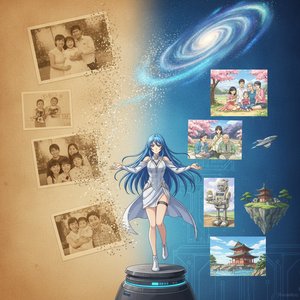
Step into the spotlight with WahooArt's AI-driven transformation. Turn your photos into stunning, hand-painted anime oil masterpieces. Experience the perfect fusion of cutting-edge technology and museum-grade craftsmanship to create a timeless pop-culture legacy for your home.

Elevate your most cherished memories with WahooArt’s bespoke service. We transform your personal photos into breathtaking, hand-painted black & white oil masterpieces. Experience museum-quality craftsmanship and timeless elegance for your private collection. Discover the art of legacy.
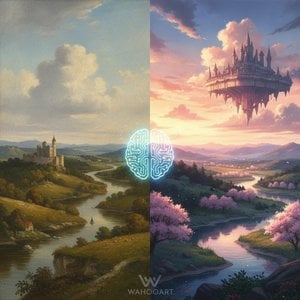
Transform your photos into high-octane action anime masterpieces with WahooArt. Our expert artists blend AI innovation with traditional oil painting to create premium, hand-painted pop culture legacies for your home. Experience museum-quality craftsmanship and a 100% satisfaction guarantee.

Explore the profound artistry of black and white photography. From historical mastery to the interplay of light and shadow, discover how monochrome captures timeless emotion and form through a sophisticated lens of art history.


 미리보기
미리보기
 공유하기
공유하기 공유하기
공유하기
 상세 정보
상세 정보 Guide
Guide

 다운로드
다운로드
 유사 작품
유사 작품 X-레이
X-레이 슬라이드 쇼
 통계 정보
통계 정보


 더 보기
더 보기






































 유리 옵션은 110cm 미만 크기에서만 선택 가능합니다.


