

이 페이지에 표시된 작품은 저작권법의 보호를 받으며, 이에 따라 동일한 복제품을 제작하거나 판매하는 것은 법으로 금지되어 있습니다. 이러한 권리 보호는 다음과 같은 국제 협약에 따라 시행됩니다. 베른 협약 또한 다음에서 명시하는 법률을 포함한 국내법에 의해 보호됩니다. 미국 저작권법 제17조.
이 방식은 저작권 보호를 받는 예술 작품을 복제하거나 그대로 재현하는 것이 아니기에 저작권 규정을 완벽히 준수합니다. 대신, 이는 창의적인 재해석의 과정을 거칩니다. 즉, 원작에서 영감을 받되 원작과 동일하지 않은 새로운 회화 작품을 의미합니다.
빠른 제작과 다양한 마감 옵션을 제공하는 박물관 수준의 지클레이 및 캔버스 프린트. ( 수작업 채색 복제본 주문하기 디지털 이미지로 전환)
작품의 원본 비율을 그대로 유지하는 프리셋 사이즈 중에서 선택해 보세요.

액자나 벽면 크기에 맞춰 필요한 가로와 세로 길이를 입력해 주세요. 프린트는 원본 이미지보다 크게 제작할 수 없으며 오직 자르는 것만 가능하므로, 비율이 다른 사이즈를 선택할 경우 이미지의 일부가 잘려 나갈 수 있습니다. 인쇄 작업에 들어가기 전, 최종 확인을 위해 디지털 목업을 보내드립니다. 이 페이지에 표시된 이미지는 실제 잘리는 영역을 나타내지 않으며, 오직 목업을 통해서만 정확한 확인이 가능합니다.
Martial Attire
복제본 크기
Sun Pengzu의 "Martial Attire"과(와) 관련된 미술 사조는 Contemporary Realism입니다. 이러한 분류를 통해 해당 작품을 관련 작가 및 예술 작품들과 함께 파악할 수 있습니다.
Sun Pengzu의 "Martial Attire"은(는) Muted의 채도로 표현되었습니다.
Sun Pengzu의 작품 세계에서 "Martial Attire"은 classical & equestrian, chinese mythology echoes, darkness and brightness, gandhara's blended forms, qi dynasty stone study, heroic spirit imagery, pengzu's signature style, exploring material depth라는 주제와 더불어 Contemporary Realism 양식을 보여줍니다.

Initially named Sun Pengzu (彭祖), he was born into a family with imperial connections, the son of Sun He, a prince who had been sidelined by court politics. This early experience of marginalization profoundly shaped his worldview. Following the death of Emperor Jing in 264, driven by popular sentiment and a perceived need for an older ruler to guide Wu through turbulent times, he was thrust onto the throne. However, this elevation proved disastrous. Sun Hao lacked the strategic acumen, political finesse, and administrative skills necessary to govern effectively. He indulged in extravagant displays of wealth, prioritized personal pleasures over state affairs, and surrounded himself with sycophants who shielded him from reality.
Sun Hao’s artistic talent was evident early on. He received a thorough education, mastering the traditional arts of calligraphy, painting, and poetry. His most famous works are believed to be “Hero Song” (英雄歌) and “Martial Attire” (武衣), both rendered in meticulous pencil shading and hatching—a technique that emphasized texture and detail. "Martial Attire," depicting a horse with remarkable realism and symbolic weight, is particularly noteworthy for its use of grayscale tones to evoke a sense of mythic grandeur and the power of nature. The painting’s composition suggests a connection to Daoist philosophy, emphasizing harmony and balance—a stark contrast to the chaos that characterized his reign.
Sun Hao’s story serves as a cautionary tale about the dangers of incompetence, vanity, and a disconnect from reality. While he is remembered primarily for his disastrous reign, his artistic legacy offers a glimpse into the man behind the emperor—a skilled artist who, despite his flaws, possessed a keen eye for detail and an appreciation for beauty. His “Martial Attire” remains a testament to his talent, a poignant reminder of a lost empire, and a window into the complex world of Three Kingdoms art.

China

Immerse yourself in the timeless elegance of horse-drawn carriage masterpieces. Discover premium, hand-painted oil reproductions and expert art curation designed for the sophisticated collector. Elevate your space with the grandeur of equestrian history and fine craftsmanship.
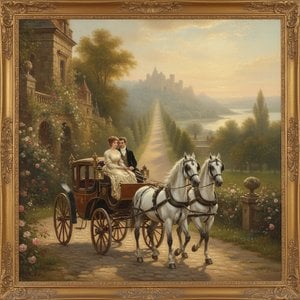
Embark on a visual journey through the romantic world of horse carriage art. Discover the mastery of equestrian oil paintings, from Impressionist textures to classical realism, and learn how to bring timeless elegance into your home with museum-quality reproductions.

Discover the breathtaking equestrian mastery of Sir Alfred James Munnings. Explore an art-history journey through his impressionistic captures of motion, light, and rural elegance, perfect for the discerning classic art enthusiast and collector.

Immerse yourself in the majesty of equestrian art. Discover museum-quality, hand-painted horse reproductions and bespoke commissions that capture the power and grace of the equine form. Perfect for discerning collectors seeking timeless elegance and unparalleled craftsmanship.

Explore the profound beauty of equestrian art. From the realism of Meissonier to impressionistic studies, discover how master techniques capture the noble spirit of the horse in fine oil reproductions and custom commissions.
 미리보기
미리보기
 공유하기
공유하기 공유하기
공유하기
 상세 정보
상세 정보 가이드 보기

 다운로드
다운로드
 유사 작품 더 보기
 X-레이
X-레이 슬라이드 쇼 보기
 질의응답
질의응답
 통계 정보
통계 정보

 더 보기
더 보기






































 유리 옵션은 110cm 미만 크기에서만 선택 가능합니다.


