A Haunting Vision of Latvian Life: The Art of Guntis Strupulis
Guntis Strupulis, born in the small town of Madona, Latvia, on September 24, 1933, emerged as a compelling voice within the Latvian art scene during a period marked by significant socio-political shifts. His life, though tragically cut short on June 15, 1974, in Jelgava, left behind a body of work that continues to resonate with its evocative power and subtle complexities. Strupulis wasn’t merely documenting his surroundings; he was delving into the psychological landscape of post-war Latvia, exploring themes of identity, memory, and the quiet dignity of everyday existence. The son of Artūrs Strupulis and Anna (Burdajs) Strupulis, he navigated a world shaped by both the lingering shadows of conflict and the constraints of Soviet realism, ultimately forging his own path through a unique blend of surrealism, symbolism, and a deeply personal interpretation of socialist realism’s tenets. His marriage to Zenta Strupule and fatherhood to Bils Strupulis added another layer to his life story, grounding him within the community he so often depicted in his art.
Early Development and Artistic Influences
Strupulis's artistic journey began in 1953, a time when Latvian art was grappling with the demands of socialist realism. While initially adhering to the stylistic conventions expected by the regime—realistic depictions of labor, collective life, and patriotic themes—he quickly sought avenues for more nuanced expression. He wasn’t entirely rejecting the principles of representing reality, but rather infusing them with a psychological depth that set his work apart. The influence of European Surrealism is palpable in many of his pieces, though it was often subtly woven into otherwise conventional scenes. Artists like René Magritte and Salvador Dalí likely sparked his interest in exploring the subconscious and challenging traditional perceptions of space and form. However, Strupulis’s surrealism wasn't about shock value or overt rebellion; it was a means to convey a sense of unease, longing, and the fragmented nature of memory. He also drew inspiration from Symbolist painters, using evocative imagery and metaphorical representations to explore deeper emotional truths. This delicate balance between realism and symbolism became a defining characteristic of his style.
Themes and Techniques in Strupulis’s Oeuvre
Strupulis's paintings often feature portraits—not grand, idealized depictions, but intimate studies of ordinary people: farmers, workers, family members. These faces are not merely representations of physical likeness; they are windows into the souls of individuals shaped by their environment and experiences. His landscapes, too, possess a haunting quality, depicting the Latvian countryside with a sense of melancholy and quiet beauty.
Still life paintings, such as “Klusā daba ar maizi” (Still Life with Bread), demonstrate his mastery of light and shadow, transforming simple objects into symbols of sustenance, resilience, and the passage of time. He frequently employed muted color palettes—earthy tones, grays, and blues—creating a somber atmosphere that reinforces the emotional weight of his subjects.
His technique was characterized by meticulous attention to detail, combined with a loose brushstroke that added texture and depth to his compositions. This combination allowed him to create paintings that were both realistic and dreamlike, grounded in reality yet imbued with a sense of mystery.
Exhibitions and Legacy
Despite the political constraints of the time, Strupulis actively participated in exhibitions throughout Latvia, gaining recognition for his unique artistic vision. His works are now held in prestigious collections such as the Latvian National Museum of Art and the Jelgava History and Art Museum, solidifying his place within the canon of Latvian art history. While he may not be a household name internationally, Strupulis is highly regarded within Latvia as a significant figure of what has been termed “New Realism” – an approach that sought to inject psychological depth and emotional complexity into the conventions of socialist realism. His paintings offer a poignant glimpse into the lives of ordinary Latvians during a turbulent period, capturing their resilience, dignity, and quiet struggles.
Historical Significance and Enduring Appeal
Guntis Strupulis’s legacy lies in his ability to navigate the complexities of his time with artistic integrity. He didn't shy away from depicting the realities of Soviet life, but he did so through a lens that was deeply personal and emotionally resonant. His work serves as a powerful reminder of the importance of individual expression, even within restrictive political systems.
- His paintings offer valuable insights into Latvian culture and society during the mid-20th century.
- Strupulis’s unique blend of surrealism, symbolism, and socialist realism continues to inspire contemporary artists.
- The haunting beauty and psychological depth of his work resonate with audiences today, transcending cultural boundaries.
He left behind a body of work that is not only aesthetically compelling but also historically significant, offering a nuanced and deeply moving portrait of a nation and its people.



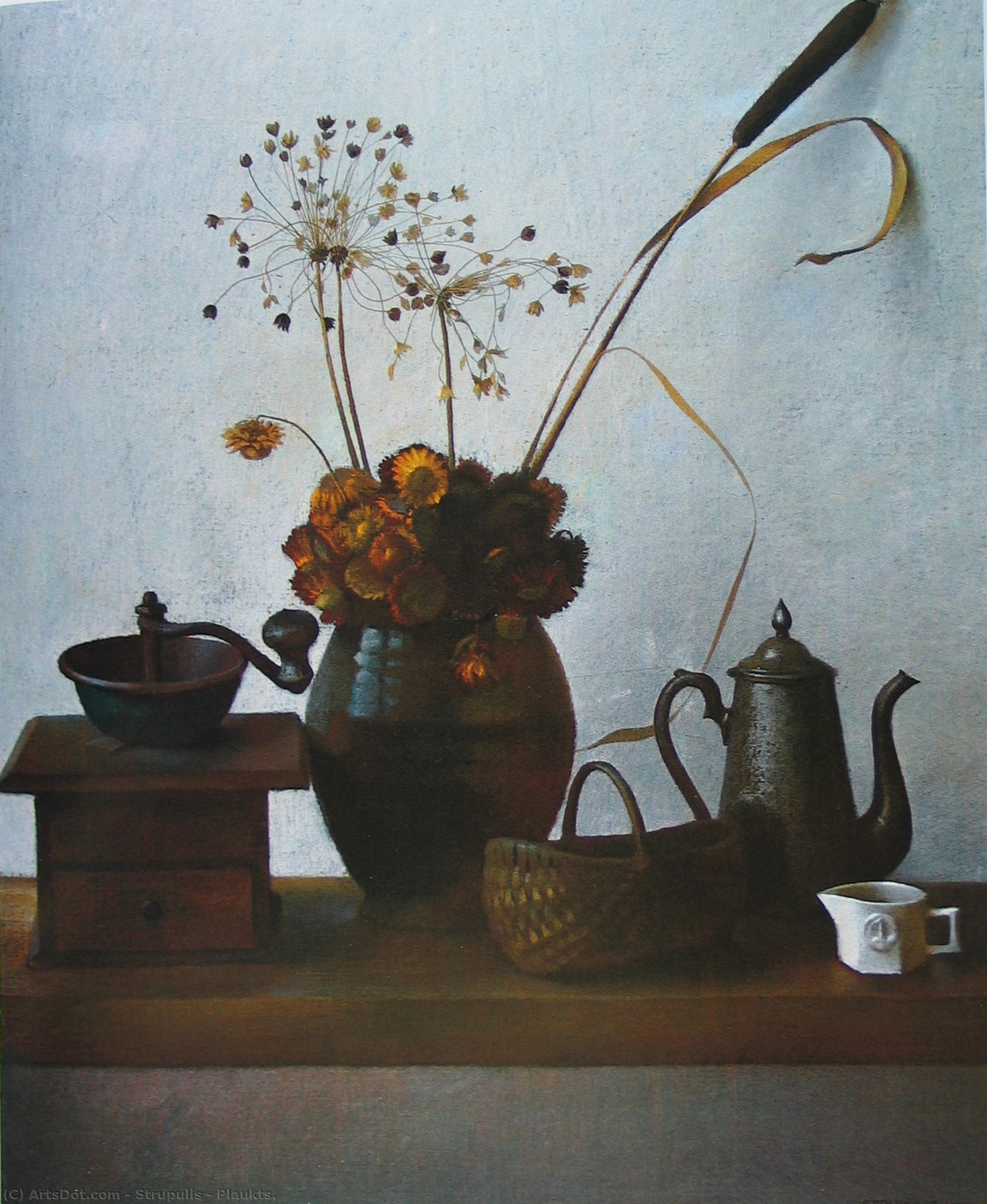
 1973
1973 100.0 x 83.0 cm





 프린트 구매하기
 공유하기
공유하기 공유하기
공유하기
 상세 정보
상세 정보

 다운로드
다운로드
 유사 작품
유사 작품 X-레이
X-레이 슬라이드 쇼
 더 보기
더 보기






































 유리 옵션은 110cm 미만 크기에서만 선택 가능합니다.


![Jazmines 12 [jasmines 12] — Gerardo Oberto, Impressionism](/media/artworks/images/thumbnails/ac/73/ac73d17750b64c8eaf72d514821dc0a3.jpg)


