

 Gothic Revival
 1435
1435 124.0 x 172.0 cm
 월라프 리하르츠 박물관
작가가 직접 캔버스에 손으로 그린 유화 작품으로, 원하는 크기와 액자로 맞춤 제작해 드립니다. ( 프린트 판매로 전환 디지털 이미지 판매 채널로 전환)





























작품의 원본 비율을 그대로 유지하는 프리셋 사이즈 중에서 선택해 보세요.

특정 프레임이나 공간에 맞춰 원하는 크기를 직접 입력하실 수 있습니다. 선택하신 크기가 원본 이미지의 비율과 일치하지 않을 경우, 작품을 자르거나 추가적인 수작업 요소를 더해 그림을 확장하여 제작합니다. 제작 시작 전, 최종 확인을 위해 디지털 목업을 보내드립니다.
화면상의 미리 보기는 실제 크롭(자르기)이나 확장된 상태를 완벽히 반영하지 않을 수 있습니다. 최종 구도는 오직 목업을 통해서만 정확하게 확인하실 수 있습니다.
맞춤 크기 제작도 가능하지만, 원본의 비율을 그대로 유지하기 위해서는 미리 정의된 목록에서 크기를 선택하시는 것을 권장합니다.
The Last Judgment
복제본 규격
Stephan Lochner’s “The Last Judgment,” painted in 1435, isn't merely a depiction of biblical narrative; it’s a profound meditation on mortality, divine justice, and the eternal consequences of earthly actions. Emerging from the late Gothic period in Cologne, Germany, this monumental panel transcends its historical context to resonate with an enduring power—a testament to the artist’s skill and his ability to capture both the drama and the solemnity of humanity's final reckoning. The painting, currently housed within the Wallraf-Richartz-Museum, is a vibrant tapestry woven from earthly tones and celestial light, inviting viewers into a world where faith and fate collide.
Lochner’s genius lies in his masterful synthesis of influences. He seamlessly blends the opulent detail characteristic of International Gothic art—noticeable in the intricate drapery, the meticulously rendered faces, and the sheer abundance of figures—with the burgeoning realism and symbolic innovation that would soon define the Northern Renaissance. This fusion creates a work that is both richly ornamented and surprisingly direct, communicating complex theological ideas with an immediacy rarely seen in contemporary religious art. The influence of artists like Master Of San Torpé is evident in the composition’s balance and the use of color, while the echoes of earlier works, such as those found in the Cologne Cathedral, demonstrate Lochner's deep understanding of established artistic traditions.
At the heart of the painting stands Jesus Christ, radiating an almost ethereal light—a visual representation of his divine authority. He’s not depicted in a triumphant or martial pose, but rather with a quiet dignity, holding a book and a cross, symbols that immediately anchor the scene within Christian iconography. To his left, Mary Magdalene is rendered with remarkable tenderness, her long hair flowing freely as she holds a jar—a detail often interpreted as representing her role as a receptacle for divine grace. On the right, St. John the Baptist stands tall and resolute, clutching a lamb – a potent symbol of innocence and sacrifice. The background is dominated by a castle-like structure, possibly an idealized representation of heaven or a symbolic gateway to the afterlife, adding depth and grandeur to the composition.
The arrangement of figures isn’t random; it's carefully orchestrated to convey a sense of movement and drama. Angels ascend towards the heavens, their wings spread wide in a swirling vortex, while below, souls are being judged—some ascending to eternal bliss, others descending into darkness. The sheer number of figures – over 300 – creates an overwhelming sense of scale, emphasizing the vastness of human history and the ultimate significance of each individual’s actions.
Beyond its narrative content, “The Last Judgment” is rich in symbolism. The use of color—earth tones contrasted with vibrant blues and reds—evokes a sense of both earthly reality and divine transcendence. The recurring motifs – the cross, the book, the lamb, the jar – are all deeply rooted in Christian theology, reinforcing the painting’s central message about salvation and damnation. The inclusion of specific details, such as Mary Magdalene's flowing hair and St. John the Baptist's lamb, adds layers of meaning and invites viewers to contemplate the individual stories behind each figure.
More than just a historical artifact, “The Last Judgment” continues to evoke a powerful emotional response. The painting’s scale, its dramatic composition, and its profound themes about life, death, and judgment combine to create an experience that is both awe-inspiring and unsettling. It serves as a potent reminder of our own mortality and the importance of living a virtuous life.
Painted in oil on oak panel in 1435, “The Last Judgment” measures 124 x 172 cm. Stephan Lochner’s technical skill is evident in every detail—from the intricate folds of the drapery to the subtle gradations of color. The painting demonstrates a mastery of perspective and spatial relationships, creating a sense of depth and realism that was groundbreaking for its time. Lochner's work reflects the artistic trends of his era, particularly the influence of the International Gothic style, but also foreshadows the innovations of the Northern Renaissance. His brief career, tragically cut short in 1451, left behind a legacy of remarkable beauty and enduring significance.
"The Last Judgment"은(는) Dramatic 분위기를 자아냅니다.
슈테판 로흐너의 "The Last Judgment"의 색상은 Subtle Color 정도의 채도를 띱니다. 채도는 색상이 얼마나 선명하거나 차분한지를 나타냅니다.
슈테판 로흐너의 "The Last Judgment"에 대한 가이드 페이지를 이용하실 수 있습니다. 이 페이지는 학생들과 수업용으로 제작된, 인쇄 가능한 작품 정보 시트를 제공합니다.
"The Last Judgment"에 대한 통계 페이지가 존재합니다. 이 페이지에는 해당 작품과 작가의 다른 작품들에 대한 월별 방문자 수가 국가 및 언어별로 상세히 표시됩니다.
월라프 리하르츠 박물관에 소장된 슈테판 로흐너의 "The Last Judgment"은(는) 퍼블릭 도메인 - 저작권 보호 기간이 만료되었습니다 상태입니다. 이 상태에 따라 해당 이미지의 복제 가능 여부가 결정됩니다.
"The Last Judgment" 작품은 리넨 캔버스 위에 손으로 직접 그린 유화 복제화로 만나보실 수 있습니다. 다양한 사이즈 중 선택하여 현재 페이지에서 주문하실 수 있습니다.
슈테판 로흐너의 작품 세계에서 "The Last Judgment"은 international gothic, northern renaissance, medieval christian iconography, symbolism, religious judgment, salvation, damnation, cologne cathedral라는 주제와 더불어 Gothic Revival 양식을 보여줍니다.
"The Last Judgment"의 슬라이드쇼는 작품의 슬라이드쇼 페이지에서 감상하실 수 있습니다.

독일의 아름다운 마을 메어스부르크, 전설이 깃든 이곳은 눈부신 콘스탄츠 호수에 둘러싸여 있습니다. 1410년경 이곳에서 태어난 슈테판 로흐너의 삶은 1451년경 쾰른에서 비극적으로 짧은 막을 내렸습니다. 그러나 그의 예술적 생애는 비록 짧았을지라도 미술사에 지울 수 없는 깊은 발자취를 남겼습니다. 그는 국제 고딕 양식(International Gothic)의 화려한 전통과 초기 북유록 르네상스의 특징인 태동하는 사실주의, 그리고 혁신적인 도상학을 숙련된 솜씨로 결합해냈습니다. 로흐너의 유산은 단순히 개별 작품이 지닌 아름다움에 머물지 않고, 그의 독창적인 스타일을 계승한 로히르 판 데르 바이든(Rogier van der Weyden)과 한스 멤링(Hans Memling) 같은 후대 거장들에게 깊은 영감을 주었다는 점에서 더욱 빛을 발합니다.
로흐너의 초기 생애에 대해서는 명확히 알려진 바가 거의 없습니다. 하지만 미술사학계에서는 그가 형성기 시절 저지대 국가(Low Countries)에서 도제로 수행하며 예술적 감수성을 깊게 다졌을 것으로 보고 있습니다. 당시 플랑드르 회화에서 유행하던 선명한 색채와 정교한 세부 묘사, 그리고 진화하는 도상학적 요소들은 의심할 여지 없이 그의 구도와 색채 선택, 종교적 인물 묘사 방식에 지대한 영향을 미쳤습니다. 이러한 국제적인 경험은 그의 전 작품을 관통하는 독특한 양식적 통합을 이룬 핵심 동력이 되었습니다.
로흐너의 회화는 시선을 사로잡는 강렬한 색채 사용, 역동적인 긴 선, 그리고 놀라울 정도로 정교한 표면 질감으로 즉각적인 인상을 남깁기기에 충분합니다. 그는 초기 고딕 미술에서 흔히 볼 수 있는 차분하고 절제된 톤을 지양하고, 더욱 밝고 빛나는 팔레트를 채택했습니다. 이러한 특징은 그를 새롭게 떠오르는 르네상스 미학의 흐름 속에 확고히 자리매김하게 합니다. 그의 작품에는 풍부한 레드, 블루, 골드가 자주 등장하며, 빛과 그림자에 대한 거장다운 이해를 바탕으로 깊이감과 극적인 효과를 만들어냅니다.
그의 가장 찬란한 걸작 중 하나인 “장미 꽃다발의 마돈나”(51 x 40 cm, 쾰른 발라프-리히츠 미술관)는 로흐너의 기술적 숙련도와 표현력을 극명하게 보여주는 작품입니다. 이 그림은 종교적 주제에 거의 만질 수 있을 듯한 생생한 감정과 영성을 불어넣는 그의 능력을 증명합니다. 또한 “서재의 성 제로니모”(30 x 39 cm, 패널 위 유채)는 놀라운 세밀함과 심리적 통찰을 통해 대상의 본질을 포착하는 그의 역량을 보여주며, 우아함과 침착함이 넘치는 복잡한 구도의 “세 성인”은 단 하나의 프레임 안에 여러 인물을 배치하여 역동적이고 매혹적인 시각적 서사를 구축하는 그의 기술을 돋보이게 합니다.
또 다른 중요한 작품으로는 본래 쾰른 대성당을 위해 제작된 "돔빌 제단화"(Dombild Altarpiece)가 있습니다. 현재 대성당의 마리엔카펠레(Marienkapelle)에 소장된 이 기념비적인 삼연제단화는 그의 예술적 비전을 증명하는 가장 중요한 사례 중 하나로 남아 있습니다. 제단화의 정교한 디테일과 선명한 색채, 그리고 상징적인 이미지들은 오늘날을 살아가는 관람객들에게도 여전히 깊은 매력을 선사합니다.
슈테판 로흐너가 후대 북유럽 예술가들에게 끼친 영향은 실로 막대했습니다. 유려한 선, 찬란한 색채, 그리고 감정적 표현에 집중한 그의 독특한 스타일은 동시대 화가들의 마음을 깊이 울렸으며, 그들이 자신의 작업에 로흐너의 접근 방식을 녹여내도록 영감을 주었습니다. 특히 로히르 판 데르 바이든은 로흐너의 색채 사용과 구도에서 깊은 영향을 받은 것으로 알려져 있으며, 한스 멤링 역시 그의 경건한 패널화 작업에서 로흐너 스타일의 측면들을 수용했습니다.
특히 "돔빌 제단화"는 로흐너의 영향력을 보여주는 가장 설득력 있는 예시입니다. 고딕 양식의 우아함과 떠오르는 르네상스의 사실주의를 결합하여 종교적 서사를 묘사한 그의 혁신적인 접근 방식은 북유럽 회화의 미래 발전을 위한 길을 열어주었습니다. 제단화의 복잡한 세부 묘사와 상징적 도상들은 이후 수많은 예술가에게 모델이 되었으며, 후기 고딕에서 초기 르네상스로 넘어가는 과도기의 핵심적인 인물로서 로흐너의 위치를 공고히 했습니다.
로흐너의 작품들은 전 세계 여러 저명한 미술관에서 소중히 보존되고 있습니다. 쾰른의 발라프-리히츠 미술관은 “장미 꽃다발의 마돈나”를 소장하여 관람객들이 이 상징적인 회화와 직접 마주할 수 있는 기회를 제공합니다. 프랑크푸르트의 슈테델 미술관에서는 “플레말 패널”(The Flémalle Panels)(68 x 160 cm, 오크)을 전시하며, 세밀한 상징과 복잡한 구도를 완성해낸 로흐너의 패널 회화 숙련도를 선보입니다. 이러한 주요 기관 외에도 그의 작품 파편들은 다양한 컬렉션에서 발견되며, 이를 통해 그의 예술적 유산은 전 세계 미술 애호가들 사이에서 끊임없이 재조명되고 있습니다.
오늘날 슈테판 로흐너의 회화는 그 아름다움과 기술적 완성도, 그리고 깊은 정서적 울림으로 인해 찬사를 받고 있습니다. 국제 고딕 양식의 전통과 초기 북유럽 르네상스의 혁신을 완벽하게 결합해낸 그의 능력은 그를 진정한 거장으로 만들었습니다. 그는 서로 다른 두 예술 시대를 연결하며 미술사에 영원히 지워지지 않을 유산을 남겼습니다.

1410 - 1451 , 독일

Embark on a scholarly journey through the sacred beauty of High Medieval art. Discover the profound symbolism, luminous iconography, and spiritual depth of Gothic masterpieces in this expert guide for classical art enthusiasts.

Explore the exquisite elegance of Late Gothic art. Discover how masters like Carlo Crivelli and Stefan Lochner blended intricate detail and religious devotion to bridge the Middle Ages and the Renaissance in this expert art history guide for true connoisseurs.

Embark on a scholarly journey through the spiritual grandeur of Late Medieval art. Discover the intricate symbolism, technical mastery, and profound religious narratives that define the Gothic era in this expert-led guide for art enthusiasts and collectors.
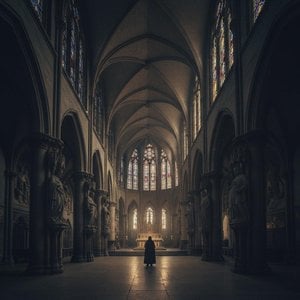
Embark on a journey through the dramatic era of Gothic art. Discover the profound beauty of illuminated manuscripts, sacred gold leaf masterpieces, and the transition to naturalism in this expert-led exploration of medieval artistry and historical grandeur.

 실제 크기로 보기
 보내기
보내기 공유하기
공유하기
 상세 보기
상세 보기 가이드 보기

 이미지 다운로드
 유사 작품 더 보기
 X-레이
X-레이 슬라이드 쇼 보기
 통계 정보
통계 정보 상세 보기
상세 보기









 유리 옵션은 110cm 미만 크기에서만 선택 가능합니다.


