
빠른 제작과 다양한 마감 옵션을 제공하는 박물관 품질의 지클레이 또는 캔버스 프린트. ( 손으로 그린 그림 구매 디지털 이미지로 전환)





























작품의 원본 비율을 유지하는 미리 설정된 크기 중에서 선택하세요.

특정 프레임이나 공간에 맞춰 직접 치수를 입력하실 수 있습니다. 선택하신 사이즈가 원본 이미지의 비율과 일치하지 않을 경우, 작품을 크롭(자르기)하거나 이미지를 대칭 또는 단색 채우기로 확장하여 제작합니다. 제작 시작 전, 최종 확인을 위해 디지털 목업이 전송됩니다.
화면상의 미리보기는 실제 크롭이나 확장 상태를 반영하지 않으므로, 최종 구도는 오직 목업을 통해서만 정확하게 확인하실 수 있습니다.
맞춤 사이즈 제작도 가능하지만, 원본 비율을 유지하기 위해서는 사전 정의된 목록에서 치수를 선택하시는 것을 권장합니다.

Harbour Scene
복제본 크기
“Harbour Scene,” painted in 1906 by Spencer Frederick Gore, offers a remarkably intimate glimpse into the burgeoning urban landscape of Camden Town – a pivotal moment in British art history. This evocative work captures a bustling street scene, brimming with life and activity, reflecting Gore’s dedication to portraying the realities of modern London. The painting's subject matter—a busy thoroughfare populated by pedestrians, horses, and even a dog—immediately draws the viewer into its dynamic composition. Gore wasn’t simply depicting a location; he was documenting an experience, a slice of daily life unfolding within this rapidly changing environment.
Gore's artistic approach is firmly rooted in the Impressionist movement, yet infused with the bolder sensibilities of Post-Impressionism. Like Monet and Van Gogh before him, Gore was deeply interested in capturing fleeting moments of light and color. Notice how he utilizes broken brushstrokes to render the surfaces of the buildings and the figures, creating a shimmering effect that suggests movement and atmosphere. The use of complementary colors – particularly the blues and oranges – intensifies the visual impact and adds to the painting’s vibrancy. Gore's meticulous observation of light and shadow, combined with his expressive handling of paint, elevates this work beyond mere representation, imbuing it with a palpable sense of energy.
“Harbour Scene” is inextricably linked to the story of the Camden Town Group, a collective of artists who sought to break away from the academic traditions of the Royal Academy. Founded in 1887, this group championed a more direct and honest portrayal of modern life, often focusing on urban subjects like factories, streets, and working-class communities. Gore was a key figure within this movement, alongside artists such as Harold Gilman and Walter Richard Sickert. Their shared commitment to realism and their willingness to depict the gritty realities of London’s industrial heartland challenged prevailing artistic conventions and paved the way for future generations of British modernists. This painting exemplifies their dedication to capturing the essence of Camden Town – a district undergoing rapid transformation, marked by industry, commerce, and a growing population.
Beyond its technical merits, “Harbour Scene” possesses a subtle emotional resonance. The figures, seemingly absorbed in their individual pursuits, represent the anonymity and complexity of urban life. The presence of horses – a familiar sight in London at the time – adds to the painting’s sense of nostalgia and connection to the past. Gore's skillful composition invites the viewer to contemplate the relationships between people and place, prompting questions about identity, community, and the human experience within an increasingly industrialized world. The painting’s enduring appeal lies not only in its aesthetic qualities but also in its ability to evoke a sense of time and place – a poignant reminder of Camden Town's vibrant history.


1878 - 1914

Discover the exquisite era of Victorian Naturalism. Explore how master artists blended scientific precision with breathtaking realism to capture the soul of nature through botanical oil paintings and legendary landscapes.

Explore the exquisite world of Victorian Realism. Discover how 19th-century masters captured unparalleled detail and emotion through oil painting, and learn to curate these timeless masterpieces for your luxury interior collection.

Explore the profound mystery of Banksy, from his subversive stencils to his impact on global pop culture. Dive into an art-historical analysis of street art's greatest icon and the power of social commentary in modern urban landscapes.
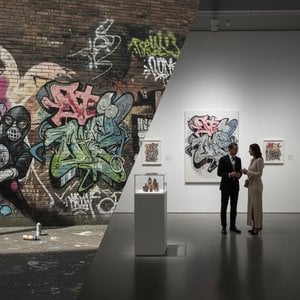
Explore the captivating journey of street art from urban walls to prestigious galleries. Discover how contemporary graffiti has evolved into a high-end collectible movement, redefining modern interior design and global art culture.


 미리보기
미리보기
 공유하기
공유하기 공유하기
공유하기
 상세 정보
상세 정보

 다운로드
다운로드
 유사 작품
유사 작품 X-레이
X-레이 슬라이드 쇼
 통계 정보
통계 정보


 더 보기
더 보기









 유리 옵션은 110cm 미만 크기에서만 선택 가능합니다.


