
 Acrylic On CanvasWallArtPost-Impressionism
 1918
1918 54.0 x 59.0 cm
 피츠윌리엄 칼리지
원하는 크기와 액자로 주문 제작되는, 작가들이 직접 캔버스에 손으로 그린 유화 작품입니다. ( 프린트 판매로 전환 디지털 이미지로 전환)





























작품의 원본 비율을 유지하는 미리 설정된 크기 중에서 선택하세요.

특정 프레임이나 공간에 맞도록 직접 크기를 입력할 수 있습니다. 선택하신 크기가 원본 이미지의 비율과 일치하지 않는 경우, 작품을 자르거나 추가적인 손으로 그린 요소를 사용하여 그림을 확장합니다. 제작 시작 전 승인을 위해 디지털 목업을 보내드립니다.
화면 미리 보기는 실제 자르기 또는 확장을 반영하지 않습니다. 최종 구성은 목업을 통해서만 정확하게 확인하실 수 있습니다.
맞춤 크기 제작도 가능하지만, 원본 비율을 유지하기 위해 사전 정의된 목록에서 크기를 선택하시는 것을 권장합니다.

Armistice Night
복제본 크기
Sir William Nicholson's "Armistice Night," painted in 1918, isn’t merely a depiction of a wartime scene; it’s a visceral embodiment of the complex emotions swirling within a nation grappling with the end – and the profound cost – of World War I. This powerful black-and-white composition captures a moment of tentative celebration amidst lingering grief, a poignant tableau of soldiers, civilians, and captured artillery against the backdrop of a hastily erected makeshift memorial. Nicholson, a key figure in the Beggarstaff partnership known for their satirical illustrations, masterfully translates the raw energy of the era into a visually arresting image that transcends simple historical record.
The painting’s genesis lies within the immediate aftermath of the November 11th armistice – a day etched forever in British history. Nicholson, working with his brother-in-law James Pryde, was commissioned to create a series of images documenting the celebrations and commemorations that erupted across the country. “Armistice Night” isn’t a triumphant parade or a joyous gathering; instead, it presents a scene of restrained optimism, tinged with melancholy. The dominant presence is the captured German cannon, a symbol not just of military defeat but also of the immense human cost of the conflict – the shattered machinery and lost potential represented by this imposing piece of weaponry.
Nicholson’s style is immediately recognizable as a potent blend of realism and expressive distortion. He employs a flattened perspective, characteristic of the Beggarstaff's work, to heighten the sense of immediacy and drama. The figures are rendered with bold outlines and simplified forms, emphasizing their physicality and emotional state rather than striving for photographic accuracy. Notice how he uses varying shades of grey to sculpt volume and create depth – the rough texture of the cannon’s metal contrasts sharply with the smoother surfaces of the uniforms and faces.
The painting's technique is equally noteworthy. Nicholson utilizes a dry brushstroke, lending a sense of urgency and rawness to the composition. The lighting is dramatic, casting long shadows that accentuate the figures’ postures and gestures. He masterfully employs chiaroscuro – the interplay of light and dark – to draw the viewer’s eye to key elements within the scene, particularly the faces of the soldiers and civilians who are observing the captured cannon. This deliberate use of light and shadow contributes significantly to the painting's emotional impact.
Beyond its immediate depiction of a wartime event, “Armistice Night” is rich in symbolic meaning. The captured cannon represents not just military defeat but also the futility of war – a machine of destruction rendered inert. The diverse group of individuals gathered around it—soldiers, civilians, and even children—suggests a shared experience of loss and a tentative hope for the future. The celebratory atmosphere is tempered by an underlying sadness; the smiles are hesitant, the gestures restrained.
Furthermore, the painting subtly alludes to the broader social context of the time. The presence of women amongst the crowd speaks to their vital role in supporting the war effort and the changing societal roles emerging as a result of conflict. Nicholson’s choice of composition—a chaotic yet ordered scene—reflects the uncertainty and upheaval that characterized post-war Britain. The painting evokes a complex blend of relief, exhaustion, and unresolved grief – emotions that resonated deeply with a nation struggling to rebuild after four years of devastating warfare.
Reproductions of “Armistice Night” offer a powerful way to connect with this pivotal moment in history. The original’s stark monochrome palette translates beautifully into high-quality prints, allowing viewers to appreciate Nicholson's masterful use of light and shadow. The painting’s enduring appeal lies not only in its historical significance but also in its universal themes of loss, remembrance, and the human capacity for resilience. “Armistice Night” remains a poignant reminder of the sacrifices made during World War I and a testament to Sir William Nicholson’s artistic skill.


1872 - 1949 , 영국
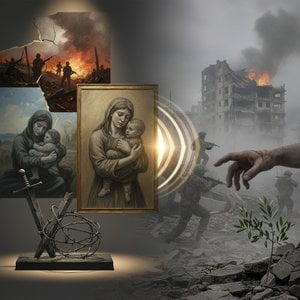
Explore a profound collection of historical war art. From visceral realism to poignant depictions of human resilience, discover museum-quality oil reproductions and expert insights for the discerning collector seeking to preserve history's most powerful echoes.


 미리보기
미리보기
 공유하기
공유하기 공유하기
공유하기
 상세 정보
상세 정보

 다운로드
다운로드
 유사 작품
유사 작품 X-레이
X-레이 슬라이드 쇼
 통계 정보
통계 정보 더 보기
더 보기









 유리 옵션은 110cm 미만 크기에서만 선택 가능합니다.


