
빠른 제작과 다양한 마감 옵션을 제공하는 박물관 품질의 지클레이 또는 캔버스 프린트. ( 손으로 그린 그림 구매 디지털 이미지로 전환)





























작품의 원본 비율을 유지하는 미리 설정된 크기 중에서 선택하세요.

특정 프레임이나 공간에 맞춰 직접 치수를 입력하실 수 있습니다. 선택하신 사이즈가 원본 이미지의 비율과 일치하지 않을 경우, 작품을 크롭(자르기)하거나 이미지를 대칭 또는 단색 채우기로 확장하여 제작합니다. 제작 시작 전, 최종 확인을 위해 디지털 목업이 전송됩니다.
화면상의 미리보기는 실제 크롭이나 확장 상태를 반영하지 않으므로, 최종 구도는 오직 목업을 통해서만 정확하게 확인하실 수 있습니다.
맞춤 사이즈 제작도 가능하지만, 원본 비율을 유지하기 위해서는 사전 정의된 목록에서 치수를 선택하시는 것을 권장합니다.

Landscape with Yellow Fields
복제본 크기
Sir William George Gillies' "Landscape with Yellow Fields" isn’t merely a depiction of a rural scene; it’s a carefully constructed meditation on light, color, and the quiet dignity of the Scottish countryside. Painted around 1934, this work stands as a pivotal moment in Gillies’ artistic evolution, bridging his earlier explorations of Cubism with a deeply rooted appreciation for the evocative beauty of the British Isles. The painting captures a quintessential Highland vista – a rolling expanse of golden fields punctuated by a modest farmhouse and scattered trees, all bathed in the soft, diffused light characteristic of a late afternoon. It's a scene that feels both familiar and profoundly serene, inviting the viewer to step into a timeless moment of rural tranquility.
Gillies’ artistic journey had been shaped by encounters with European masters. His time in Paris with André Lhote exposed him to the principles of Cubism, leading to early works like “Two Pots, Saucer and Fruit,” where objects were fragmented and reassembled into geometric arrangements. However, a transformative encounter with Paul Klee in 1934 ignited a shift towards a more intuitive and emotionally resonant style. Klee’s use of vibrant color and childlike simplicity – his ability to imbue everyday subjects with a sense of wonder – profoundly influenced Gillies, prompting him to embrace bolder hues and a looser, more expressive brushstroke.
What immediately draws the eye is Gillies’ masterful manipulation of color. The dominant yellow of the fields isn't a flat, uniform hue; it’s layered with subtle variations – ochre, amber, and hints of gold – creating an illusion of depth and movement. This rich palette is expertly contrasted against the muted greens and browns of the trees and distant hills, further emphasizing the warmth and luminosity of the foreground. The red roof of the farmhouse acts as a striking focal point, anchoring the composition and adding a touch of domesticity to the vast landscape. Gillies’ use of light isn't photographic realism; it’s an artistic interpretation – a deliberate choice to capture the *feeling* of sunlight filtering through the air.
The technique employed is distinctly Impressionistic, yet infused with Gillies’ unique sensibility. He utilizes short, broken brushstrokes to build up texture and create a sense of atmosphere. These strokes aren't blended smoothly; instead, they retain their individual character, contributing to the painting’s vibrant energy. The layering of color and the visible brushwork invite the viewer to actively engage with the artwork, noticing the subtle shifts in tone and hue as they gaze upon it.
Beyond its aesthetic qualities, “Landscape with Yellow Fields” offers a glimpse into the heart of rural Scottish life. The farmhouse, modest yet sturdy, suggests a connection to the land and a sense of community. The scattered trees hint at the presence of wildlife and the rhythms of nature. Gillies’ paintings frequently depicted scenes from his native Scotland, capturing its distinctive landscapes and portraying the lives of its people with empathy and understanding.
The painting's historical context is also significant. Created during a period of economic hardship in Britain, it reflects a longing for simpler times and a connection to the land – values that resonated deeply with many at the time. Gillies’ work served as a powerful reminder of the beauty and resilience of the Scottish countryside.
Reproductions of “Landscape with Yellow Fields” offer an accessible way to experience the painting's captivating atmosphere. WahooArt meticulously recreates Gillies’ techniques, capturing the nuances of color, texture, and light that make this artwork so compelling. The 55 x 76 cm size is ideal for adding a touch of rustic charm to any interior space – whether it’s a living room, bedroom, or study.
More than just a decorative piece, “Landscape with Yellow Fields” evokes a sense of nostalgia and tranquility. It's an invitation to slow down, appreciate the beauty of nature, and connect with the timeless spirit of rural Scotland. Consider this reproduction not merely as a print, but as a portal – a window into a world of quiet contemplation and artistic brilliance.

1898년 영국 동 로티안의 해딩턴에서 태어난 윌리엄 조지 길리스는 스코틀랜드 미술계에 깊은 발자취를 남긴 화가입니다. 그는 에든버러 예술 대학에 입학했지만, 제1차 세계 대전 중 왕립 공병단에 복무하면서 학업이 잠시 중단되었습니다. 전쟁 후, 길리스는 다시 에든버러 예술 대학으로 돌아와 졸업한 후 40년 이상 그곳에서 헌신적인 교사로 활동했습니다.
길리스의 예술 여정은 1923년 파리에서 앙드레 로테를 사사하고 1924년 이탈리아를 여행하면서 입체주의 탐구로 시작되었습니다. 초기 작품인 “Two Pots, Saucer and Fruit” (1933)는 세잔의 구도와 브라크와 피카소의 절제된 색조를 보여주며 이러한 영향을 드러냅니다. 1934년 폴 클레의 작품을 접한 것은 중요한 전환점이 되었으며, 길리스는 그의 구성에 더욱 상상력이 풍부한 색채와 어린아이 같은 특징을 채택하도록 영감을 받았습니다. 그는 점차 엄격한 입체주의에서 벗어나 스코틀랜드의 풍경과 정물 전통에 뿌리를 둔 독특한 스타일을 발전시켰습니다.
길리스는 1922년 윌리엄 크로지어, 윌리엄 가이스러, 윌리엄 매크태거트 등 동료 화가들과 함께 “1922 그룹”을 공동 설립했습니다. 이 전시 단체는 신진 스코틀랜드 예술가들이 에든버러의 뉴 갤러리에서 작품을 선보일 수 있는 플랫폼을 제공했으며, 10년 동안 활발하게 활동했습니다. 이 그룹은 스코틀랜드 미술계 내에서 공동체 의식과 혁신을 조성했습니다.
풍경: 길리스는 로티안, 파이프, 보더 지역의 스코틀랜드 풍경 묘사로 유명합니다. 그는 섬세한 시선으로 이러한 풍경의 본질을 포착했습니다. 그의 작품은 단순한 재현을 넘어 자연과의 깊은 교감을 드러냅니다.
정물: 정물 구성은 또 다른 중요한 초점이었습니다. 특히 그의 여동생 엠마 스미스 길리스가 만든 도자기가 자주 등장했는데, 그녀의 갑작스러운 죽음(1936년)은 그에게 깊은 영향을 미쳤습니다. 엠마의 작품은 길리스의 정물에 특별한 감성과 의미를 부여했습니다.
초상화: 그는 초기에는 초상화를 실험했지만, 풍경과 정물이 그의 주요 주제가 되었습니다. 하지만 초상화 작업 또한 그의 예술적 탐구의 중요한 부분을 차지하며, 인물의 내면을 섬세하게 표현하고자 노력했습니다.
길리스는 1959년부터 1966년 은퇴할 때까지 에든버러 예술 대학 교장으로 재직했습니다. 그는 스코틀랜드 미술 교육에 지대한 공헌을 했으며, 수많은 젊은 예술가들을 양성했습니다. 그의 꾸준한 노력과 헌신은 스코틀랜드 미술계의 발전에 큰 영향을 미쳤습니다.
그는 왕립 아카데미(RA) 회원으로 선출되어 미술계 내에서 중요한 인정을 받았습니다. 이는 그의 예술적 성취와 명성을 공식적으로 인정받은 결과입니다.
윌리엄 조지 길리스는 스코틀랜드의 가장 중요한 20세기 화가 중 한 명으로 여겨집니다. 그의 작품은 초기 모더니즘과 독특한 스코틀랜드 예술 정체성 사이의 간극을 해소합니다.
유산: 그의 영향력은 그림을 넘어, 그의 가르침과 멘토링을 통해 스코틀랜드 미술의 방향을 형성했습니다. 그는 1973년에 세상을 떠났지만, 그의 풍부한 작품 세계는 아름다움, 섬세함, 그리고 지속적인 관련성으로 계속해서 기념되고 있습니다.

1898 - 1973 , 영국
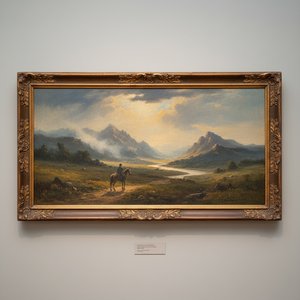
Discover the captivating landscapes of Anthony Vandyke Copley Fielding, a master of Romantic watercolour painting. Explore his life, technique, and legacy with WahooArt – your source for museum-quality art reproductions & expert appraisal.

낭만주의 시대, 예술혼을 불태운 10대 풍경화 걸작! 터너부터 프리드리히까지, 시대를 초월하는 아름다움을 와후아트에서 만나보세요. 고흐의 색채와 코로의 섬세함이 당신의 공간에 영감을 더합니다. 지금 바로 와후아트에서 명품 미술 작품을 감상하고 구매하세요!

존 컨스터블 대표작 25선을 만나보세요. 영국 풍경화 거장의 자연주의 회화, 데담 밸리의 아름다움과 헤이 웨인의 정취를 담은 명화를 감상하세요. WahooArt에서 고품질 예술 작품 복제본을 소장하고 특별한 인테리어를 완성해보세요. 지금 바로 컬렉션을 탐험하세요!

Explore the rich history of rural landscape painting with WahooArt. Discover Impressionist masterpieces, key artists & movements. Find your perfect serene artwork and bring nature's beauty home.
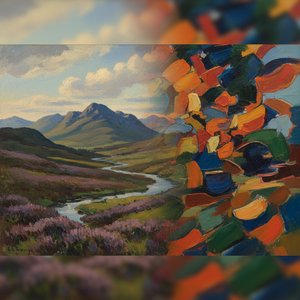
Explore the captivating world of Sir William George Gillies, a leading Scottish Colourist. Discover his journey from Cubism to iconic landscapes & still lifes. Expert insights for collectors and art enthusiasts.


 미리보기
미리보기
 공유하기
공유하기 공유하기
공유하기
 상세 정보
상세 정보 가이드 보기

 다운로드
다운로드
 유사 작품
유사 작품 X-레이
X-레이 슬라이드 쇼
 통계 정보
통계 정보


 더 보기
더 보기









 유리 옵션은 110cm 미만 크기에서만 선택 가능합니다.


