
 Oil On CanvasWallArtBaroque
 Late Medieval
 101.0 x 77.0 cm
빠른 제작과 다양한 마감 옵션을 제공하는 박물관 품질의 지클레이 또는 캔버스 프린트. ( 손으로 그린 그림 구매 디지털 이미지로 전환)





























작품의 원본 비율을 유지하는 미리 설정된 크기 중에서 선택하세요.

특정 프레임이나 공간에 맞춰 직접 치수를 입력하실 수 있습니다. 선택하신 사이즈가 원본 이미지의 비율과 일치하지 않을 경우, 작품을 크롭(자르기)하거나 이미지를 대칭 또는 단색 채우기로 확장하여 제작합니다. 제작 시작 전, 최종 확인을 위해 디지털 목업이 전송됩니다.
화면상의 미리보기는 실제 크롭이나 확장 상태를 반영하지 않으므로, 최종 구도는 오직 목업을 통해서만 정확하게 확인하실 수 있습니다.
맞춤 사이즈 제작도 가능하지만, 원본 비율을 유지하기 위해서는 사전 정의된 목록에서 치수를 선택하시는 것을 권장합니다.

Virgin and Child
복제본 크기
Peter Paul Rubens’ “Virgin and Child,” a masterpiece rendered in oil on panel around 1616, isn't merely a depiction of the Madonna; it’s an immersive experience—a vibrant testament to the power of faith, familial love, and the artist’s masterful command of Baroque dynamism. This intimate scene, often referred to as “The Virgin and Child Surrounded by the Holy Innocents,” immediately draws the viewer into a world saturated with warmth, color, and profound emotional resonance. It's a painting that speaks not just to the eye but also to the heart, inviting contemplation on themes of motherhood, protection, and divine grace.
Rubens’ genius lies in his ability to seamlessly blend religious iconography with an intensely human sensibility. The central figures—Mary cradling the infant Jesus—are rendered with a remarkable tenderness, their faces radiating serenity and maternal devotion. Yet, this isn't a static, idealized representation; Rubens imbues them with palpable life – the slight furrow of Mary’s brow, the gentle curve of her lips, the youthful innocence of Christ’s expression. The inclusion of the Holy Innocents, tiny figures scattered beneath their feet, adds another layer of poignant symbolism, representing the vulnerability and sacrifice inherent in the Christian narrative. The lamb upon which one infant sits is a potent emblem of Christ's future destiny, a foreshadowing of his sacrificial death and resurrection.
Technically, “The Virgin and Child” exemplifies the hallmarks of Rubens’ distinctive Baroque style. He employs a lavish palette—rich reds, deep blues, vibrant greens—creating an explosion of color that dominates the canvas. These hues aren't merely decorative; they are carefully chosen to evoke specific emotions and enhance the painting’s dramatic impact. The brushstrokes themselves are bold and expressive, creating a sense of movement and vitality. Rubens utilizes impasto – applying thick layers of paint – particularly in the drapery and figures, lending them a tactile quality that invites the viewer to reach out and touch them. The composition is carefully balanced, with the central group of figures anchoring the scene while the surrounding elements—the architectural backdrop, the scattered Holy Innocents—add depth and visual interest.
To fully appreciate “The Virgin and Child,” it’s crucial to understand the historical context in which it was created. The early 17th century witnessed a resurgence of religious fervor across Europe, particularly within the Catholic Church. Rubens, who had spent several years in Italy absorbing the influence of Renaissance masters like Raphael, returned to Antwerp with a renewed commitment to depicting religious subjects with both spiritual depth and artistic brilliance. He was commissioned extensively by wealthy patrons—including cardinals and nobles—to create altarpieces, devotional panels, and portraits that would adorn churches, private chapels, and aristocratic residences. This period saw a shift towards more intimate and emotionally charged depictions of biblical scenes, reflecting the growing emphasis on personal piety and devotion.
Beyond its immediate depiction of the Virgin Mary and Christ Child, “The Virgin and Child” is laden with symbolic meaning. The architectural setting—a vaguely classical structure with a receding perspective—suggests both earthly and heavenly realms. The presence of the Holy Innocents underscores the theme of innocence lost and the need for protection. The banner bearing the white pennant, representing the resurrection, subtly hints at the promise of eternal life. Even the positioning of Mary and Christ – Mary seated, cradling Jesus in a gesture of nurturing—reinforces the central themes of motherhood, care, and divine grace. The painting’s overall effect is one of profound serenity and spiritual comfort, inviting viewers to contemplate the enduring power of faith and family.
Rubens' "Virgin and Child" continues to captivate audiences today, inspiring artists and designers alike. High-quality reproductions offer a remarkable opportunity to experience the painting’s vibrant colors and dynamic composition firsthand. Whether adorning a private residence or gracing a museum wall, a reproduction of this masterpiece can infuse any space with a sense of timeless beauty, spiritual depth, and Baroque elegance. It serves as a potent reminder of the enduring power of art to evoke emotion, inspire contemplation, and connect us to the profound mysteries of faith and human experience.

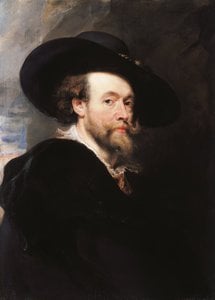
1577 - 1640 , 독일

Elevate your collection with the dramatic grandeur of Baroque oil masterpieces. WahooArt offers exquisite, hand-painted reproductions of the Great Masters, featuring authentic chiaroscuro and premium textures. Discover bespoke artistry and expert consultation for elite collectors worldwide.


 미리보기
미리보기
 공유하기
공유하기 공유하기
공유하기
 상세 정보
상세 정보 가이드 보기

 다운로드
다운로드
 유사 작품
유사 작품 X-레이
X-레이 슬라이드 쇼
 통계 정보
통계 정보 더 보기
더 보기









 유리 옵션은 110cm 미만 크기에서만 선택 가능합니다.


