
x


빠른 제작과 다양한 마감 옵션을 제공하는 박물관 품질의 지클레이 또는 캔버스 프린트. ( 손으로 그린 그림 구매 이미지 구매)





























작품의 원본 비율을 유지하는 미리 설정된 크기 중에서 선택하세요.

특정 프레임이나 공간에 맞춰 직접 치수를 입력하실 수 있습니다. 선택하신 사이즈가 원본 이미지의 비율과 일치하지 않을 경우, 작품을 크롭(자르기)하거나 이미지를 대칭 또는 단색 채우기로 확장하여 제작합니다. 제작 시작 전, 최종 확인을 위해 디지털 목업이 전송됩니다.
화면상의 미리보기는 실제 크롭이나 확장 상태를 반영하지 않으므로, 최종 구도는 오직 목업을 통해서만 정확하게 확인하실 수 있습니다.
맞춤 사이즈 제작도 가능하지만, 원본 비율을 유지하기 위해서는 사전 정의된 목록에서 치수를 선택하시는 것을 권장합니다.

The Last Supper
복제본 크기
Peter Paul Rubens' "The Last Supper," painted around 1631 and now residing within the Gemaldegalerie Donaueschingen, Germany, isn’t merely a depiction of a biblical event; it’s a visceral experience. This monumental oil painting transcends its historical subject matter to become a profound meditation on betrayal, faith, and the very human drama of loss. Rubens, deeply influenced by his formative years in Italy, masterfully blends the dynamism of Caravaggio's tenebrism with the classical elegance he absorbed from Renaissance masters, creating an image that pulsates with both dramatic intensity and carefully considered composition.
The scene unfolds with arresting immediacy. Jesus Christ, seated at the center of a richly appointed table, is not presented as a divine figure removed from earthly concerns but as a man grappling with impending doom. His face, etched with sorrow and resignation, mirrors the palpable tension radiating from his disciples. The composition immediately draws the eye to Judas Iscariot, identifiable by his posture – subtly averted, clutching a small pouch containing the thirty pieces of silver – and his distinctively pale complexion, a deliberate artistic choice that highlights his treachery against the vibrant backdrop. Rubens’ genius lies in capturing not just what *happened* but how it *felt*, imbuing each figure with a unique emotional response to the impending betrayal.
Rubens' signature Baroque style is fully realized within this painting. He employs *chiaroscuro* – the dramatic contrast between light and dark – not as a mere technical device, but as a powerful tool for conveying emotion. The strong light illuminates Jesus and the figures closest to him, drawing attention to their suffering and highlighting the central drama of the scene. Conversely, the surrounding apostles are enveloped in shadow, suggesting their confusion, fear, and disbelief. This masterful manipulation of light creates a sense of depth and movement, as if we’re witnessing this pivotal moment unfold before our very eyes.
The artist's brushwork is remarkably energetic and expressive. Notice the loose, swirling strokes that define the drapery and the subtle variations in color that bring each figure to life. The palette itself is rich and vibrant – deep reds, blues, and golds dominate, reflecting the opulence of the setting and adding to the painting’s overall dramatic effect. Rubens wasn't interested in photographic realism; he sought to capture the *essence* of the scene, imbuing it with a sense of immediacy and emotional truth.
Beyond its immediate narrative, “The Last Supper” is laden with symbolic meaning. The table itself, laden with cups, bowls, knives, and wine glasses, represents the ritual significance of the Eucharist – the central sacrament of Christianity. The three cups on the table are particularly noteworthy; they traditionally symbolize the Holy Trinity, a subtle reminder of God’s presence within this earthly drama. The two bowls represent the bread and wine, the core elements of the communion meal. Even Judas's posture and the pouch he holds carry symbolic weight, representing not just monetary gain but also spiritual corruption.
Rubens’ “The Last Supper” stands as a testament to his unparalleled ability to capture human emotion and translate complex theological concepts into visually arresting art. It's a painting that continues to resonate with viewers centuries after its creation, prompting reflection on themes of betrayal, faith, and the enduring power of human drama. Comparisons to other interpretations of this iconic scene – such as Sebastiano Ricci’s version or Matthias Grünewald’s Coburg Panel – reveal how Rubens' approach, characterized by his dynamic composition and intense emotionality, set a new standard for depicting religious narratives. For those seeking a profound artistic experience, the Gemaldegalerie Donaueschingen offers a remarkable opportunity to witness this masterpiece firsthand.
Further exploration of Rubens’ work can be found at Peter Paul Rubens: The Last Supper on WahooArt, and by delving into the artist's life and style at Sir Peter Paul Rubens.
For a deeper dive, consider examining resources like Wikipedia’s entry on Rubens: Sir Peter Paul Rubens and the Art Institute of Chicago's detailed analysis: The Last Supper | The Art Institute of Chicago.

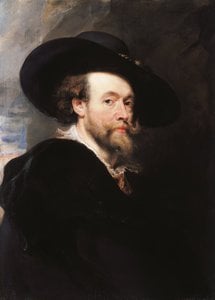
1577 - 1640 , 독일

Explore the dramatic brilliance of the Flemish Baroque movement. Discover how masters like Peter Paul Rubens utilized chiaroscuro and dynamic composition to redefine art history through light, shadow, and unparalleled emotion.

Elevate your collection with the dramatic grandeur of Baroque oil masterpieces. WahooArt offers exquisite, hand-painted reproductions of the Great Masters, featuring authentic chiaroscuro and premium textures. Discover bespoke artistry and expert consultation for elite collectors worldwide.

Explore the profound artistry of The Last Supper through an art historian's lens. From Leonardo da Vinci’s genius to diverse Renaissance interpretations, discover the symbolism and technique behind history's most iconic sacred depictions.


최신 미술 뉴스, 특별 혜택 및 인테리어 아이디어를 가장 먼저 만나보세요.
프로젝트에 대해 알려주시면 저희 미술 전문가들이 맞춤형 아트 제안 3가지를 전달해 드립니다.
당신만을 위한 맞춤형 옵션 3가지를 무료로 추천해 드립니다!


 미리보기
미리보기
 공유하기
공유하기 공유하기
공유하기
 상세 정보
상세 정보

 다운로드
다운로드
 유사 작품
유사 작품 X-레이
X-레이 슬라이드 쇼

 더 보기
더 보기









 유리 옵션은 110cm 미만 크기에서만 선택 가능합니다.


