
원하는 크기와 액자로 주문 제작되는, 작가들이 직접 캔버스에 손으로 그린 유화 작품입니다. ( 프린트 판매로 전환 디지털 이미지로 전환)





























작품의 원본 비율을 유지하는 미리 설정된 크기 중에서 선택하세요.

특정 프레임이나 공간에 맞도록 직접 크기를 입력할 수 있습니다. 선택하신 크기가 원본 이미지의 비율과 일치하지 않는 경우, 작품을 자르거나 추가적인 손으로 그린 요소를 사용하여 그림을 확장합니다. 제작 시작 전 승인을 위해 디지털 목업을 보내드립니다.
화면 미리 보기는 실제 자르기 또는 확장을 반영하지 않습니다. 최종 구성은 목업을 통해서만 정확하게 확인하실 수 있습니다.
맞춤 크기 제작도 가능하지만, 원본 비율을 유지하기 위해 사전 정의된 목록에서 크기를 선택하시는 것을 권장합니다.

Lioness
복제본 크기
Peter Paul Rubens' "Lioness," a captivating study rendered in charcoal and chalk around 1612-1613, isn’t merely a depiction of an animal; it’s a profound exploration of power, grace, and the artist’s masterful command of light and form. This remarkable work, currently residing within the collection of the British Museum, offers a glimpse into Rubens' meticulous process and his deep understanding of both classical ideals and the raw energy of the Baroque period. The painting immediately draws the eye with its dynamic composition – the lioness is captured mid-stride, her body coiled with contained strength, her mouth open in a gesture that simultaneously conveys alertness and predatory intent. It’s a scene brimming with life, an embodiment of Rubens' signature style: a vibrant fusion of observation, intellect, and artistic flair.
Rubens’ approach to this subject reveals his deep engagement with the natural world. He wasn’t simply sketching; he was studying – likely drawing upon observations of live lions or bronze sculptures that served as models. The meticulous detail evident in the rendering of her fur, the subtle shifts in tone suggesting muscle and movement, speaks volumes about Rubens' dedication to realism. Yet, this realism is far from photographic. Instead, it’s imbued with a heightened sense of drama and theatricality, characteristic of the Baroque aesthetic. Notice how he uses light and shadow – *chiaroscuro* – to sculpt the lioness’s form, emphasizing her musculature and creating a powerful three-dimensional effect on a two-dimensional surface.
To fully appreciate “Lioness,” it's crucial to understand the context within which Rubens worked – the vibrant world of Flemish Baroque art. Emerging in the early 17th century, this style rejected the cool restraint of Mannerism in favor of dynamic compositions, rich colors, and a heightened sense of emotion. Rubens was a leading figure in this movement, and his work is defined by its exuberant energy and sensual appeal. Unlike the more reserved depictions of animals found in earlier art, Rubens’ lions are imbued with a palpable vitality – they seem poised to leap or charge. This emphasis on movement and sensuality reflects the Counter-Reformation's desire to reassert the emotional power of religious imagery.
Rubens’ training in Italy profoundly shaped his artistic vision. He was deeply influenced by the works of Michelangelo, Raphael, and, most significantly, Caravaggio. Caravaggio’s dramatic use of *tenebrism* – a stark contrast between light and dark – became a cornerstone of Rubens' style. Observe how he employs this technique here, creating a sense of drama and highlighting the lioness’s form against the darker background. This interplay of light and shadow not only adds visual interest but also contributes to the painting’s overall emotional impact.
While seemingly a straightforward depiction of an animal, “Lioness” carries layers of symbolic meaning. Lions have long been associated with strength, courage, and royalty – qualities highly valued in Renaissance and Baroque art. The lioness, as the protector of her cubs, embodies maternal power and nurturing instincts. It’s possible that Rubens intended this painting to serve a specific purpose, perhaps as a commission for a wealthy patron or as part of a series exploring themes of power and virtue. Interestingly, the work echoes earlier depictions of Daniel in the Lions' Den from the Bible, suggesting a deliberate connection to religious narrative.
The drawing itself is a fascinating artifact, offering insight into Rubens’ working methods. It demonstrates his meticulous approach to preparing for larger paintings – likely serving as a detailed study for the final composition. The use of charcoal and chalk allowed him to quickly capture the essence of the subject while experimenting with different poses and arrangements. It's a testament to his artistic versatility and his ability to translate observation into powerful visual expression.
For those captivated by the beauty and power of Rubens’ “Lioness,” WahooArt.com offers an exceptional opportunity to own a high-quality, handmade oil painting reproduction. Our skilled artisans meticulously recreate every detail of this iconic artwork, utilizing premium materials – hand-stretched canvas, vibrant oil paints, and museum-quality framing options – to ensure that your reproduction captures the essence of Rubens’ masterpiece. Custom sizes are available, allowing you to seamlessly integrate this stunning image into any space or décor. Explore our collection today and bring a touch of Flemish Baroque grandeur into your home.

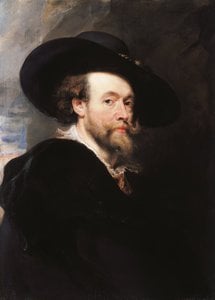
1577 - 1640 , 독일

Elevate your collection with the dramatic grandeur of Baroque oil masterpieces. WahooArt offers exquisite, hand-painted reproductions of the Great Masters, featuring authentic chiaroscuro and premium textures. Discover bespoke artistry and expert consultation for elite collectors worldwide.

Explore the dramatic brilliance of the Flemish Baroque movement. Discover how masters like Peter Paul Rubens utilized chiaroscuro and dynamic composition to redefine art history through light, shadow, and unparalleled emotion.


 미리보기
미리보기
 공유하기
공유하기 공유하기
공유하기
 상세 정보
상세 정보

 다운로드
다운로드
 유사 작품
유사 작품 X-레이
X-레이 슬라이드 쇼
 통계 정보
통계 정보
 더 보기
더 보기









 유리 옵션은 110cm 미만 크기에서만 선택 가능합니다.


