
 Oil On PanelFlemish Baroque
 1638
1638 23.0 x 30.0 cm
원하는 크기와 액자로 주문 제작되는, 작가들이 직접 캔버스에 손으로 그린 유화 작품입니다. ( 프린트 판매로 전환 디지털 이미지로 전환)





























작품의 원본 비율을 유지하는 미리 설정된 크기 중에서 선택하세요.

특정 프레임이나 공간에 맞도록 직접 크기를 입력할 수 있습니다. 선택하신 크기가 원본 이미지의 비율과 일치하지 않는 경우, 작품을 자르거나 추가적인 손으로 그린 요소를 사용하여 그림을 확장합니다. 제작 시작 전 승인을 위해 디지털 목업을 보내드립니다.
화면 미리 보기는 실제 자르기 또는 확장을 반영하지 않습니다. 최종 구성은 목업을 통해서만 정확하게 확인하실 수 있습니다.
맞춤 크기 제작도 가능하지만, 원본 비율을 유지하기 위해 사전 정의된 목록에서 크기를 선택하시는 것을 권장합니다.

Landscape with Tower
복제본 크기
Peter Paul Rubens’s “Landscape with Tower,” painted in 1638, is more than just a depiction of a serene countryside; it's an immersive experience of the Baroque era. This oil-on-panel artwork, measuring 23 x 30 cm, captures the essence of Flemish artistic innovation – a masterful blend of natural beauty and architectural drama that speaks to the period’s fascination with movement, emotion, and opulent spectacle. The painting immediately draws the eye to its dramatic composition: a cloudy sky pressing down upon a castle silhouetted against the horizon, while figures and a horse punctuate the scene with a sense of human presence within this vast landscape.
Rubens was a pivotal figure in the development of the Baroque style, a movement characterized by its emotional intensity, dramatic lighting, and dynamic compositions. His work reflects the broader cultural currents of 17th-century Europe, where religious fervor, scientific inquiry, and artistic innovation converged. “Landscape with Tower” exemplifies this spirit perfectly. The painting’s scale – relatively small but powerfully rendered – was a common feature of Rubens's oeuvre, allowing for intimate engagement with his subjects.
Interestingly, the creation of "Landscape with Tower" coincided with the architectural innovations of Francesco Borromini in Rome. Borromini’s designs, particularly the Chiesa di San Carlo alle Quattro Fontane, were pushing the boundaries of spatial perception and architectural form – concepts that undoubtedly influenced Rubens's approach to composition and perspective. This connection highlights the interconnectedness of artistic movements and intellectual trends during this period.
Beyond its technical brilliance, “Landscape with Tower” is rich in symbolic meaning. The castle itself can be interpreted as a representation of power, both earthly and spiritual. The cloudy sky suggests uncertainty or impending change, while the figures evoke human vulnerability within the face of nature’s grandeur. Rubens was not simply depicting a scene; he was conveying an emotional response to it – a sense of awe, wonder, and perhaps even a touch of melancholy.
“Landscape with Tower” stands as a testament to Peter Paul Rubens's unparalleled skill and vision. This small yet powerful painting offers a glimpse into the heart of the Baroque era, showcasing the artist’s mastery of color, composition, and technique. Its dramatic intensity and evocative beauty continue to captivate viewers centuries later. For those seeking to own a piece of this artistic legacy, a hand-painted reproduction captures the essence of Rubens's genius with remarkable fidelity.

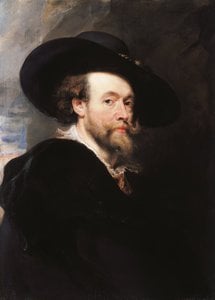
1577 - 1640 , 독일

Discover the enduring allure of oil on panel painting. Explore the technical mastery, historical significance, and luminous depth that define this prestigious medium, from Renaissance masters to modern fine art reproductions for discerning collectors.


 미리보기
미리보기
 공유하기
공유하기 공유하기
공유하기
 상세 정보
상세 정보

 다운로드
다운로드
 유사 작품
유사 작품 X-레이
X-레이 슬라이드 쇼
 통계 정보
통계 정보 더 보기
더 보기









 유리 옵션은 110cm 미만 크기에서만 선택 가능합니다.


