
x































작품의 원본 비율을 유지하는 미리 설정된 크기 중에서 선택하세요.

특정 프레임이나 공간에 맞도록 직접 크기를 입력할 수 있습니다. 선택하신 크기가 원본 이미지의 비율과 일치하지 않는 경우, 작품을 자르거나 추가적인 손으로 그린 요소를 사용하여 그림을 확장합니다. 제작 시작 전 승인을 위해 디지털 목업을 보내드립니다.
화면 미리 보기는 실제 자르기 또는 확장을 반영하지 않습니다. 최종 구성은 목업을 통해서만 정확하게 확인하실 수 있습니다.
맞춤 크기 제작도 가능하지만, 원본 비율을 유지하기 위해 사전 정의된 목록에서 크기를 선택하시는 것을 권장합니다.

Hero and Leander (detail)
복제본 크기
Peter Paul Rubens, the undisputed master of Flemish Baroque painting, possessed an extraordinary ability to infuse classical mythology with raw human emotion and breathtaking dynamism. A detail from his monumental work, “Hero and Leander,” offers a compelling glimpse into this talent – a swirling vortex of bodies caught in a moment of both exquisite beauty and impending tragedy. The scene doesn’t merely depict a story; it *embodies* the desperate passion and ultimate futility that define the tale of Hero and Leander, lovers separated by the treacherous currents of the Hellespont.
Rubens draws upon the ancient Greek legend of Hero, a priestess of Aphrodite, and Leander, a young man from Abydos. Their love blossomed across the narrow strait separating Europe and Asia, with Leander daring to swim nightly guided by a lamp lit by Hero in her tower. The detail captures not simply their meeting, but the very essence of their perilous romance – a fleeting moment suspended between ecstasy and disaster. The artist’s composition is masterful; figures intertwine and surge forward, creating a sense of restless energy that mirrors the turbulent sea itself. Nereids, mythical sea nymphs, seem to both witness and participate in the unfolding drama, adding an ethereal quality to the scene. The use of dramatic *tenebrism*, inherited from Caravaggio’s influence during his Italian sojourn, heightens the emotional intensity, casting certain figures into stark relief while others melt into shadow.
The hallmark of Rubens’ style is vividly present in this detail. His brushwork is loose and expressive, prioritizing movement and texture over meticulous detail. Flesh tones are rendered with a remarkable warmth and sensuality, reflecting his fascination with the human form. The figures aren't idealized; they possess a robust physicality that feels strikingly real. This isn’t about portraying perfect gods and goddesses, but rather intensely *human* beings consumed by their passions. Rubens’ color palette is rich and vibrant, employing deep reds, blues, and golds to create a visually stunning spectacle. He wasn’t simply painting a scene; he was constructing an experience – one that engages the viewer on both an intellectual and visceral level.
Created during Rubens's productive period in Italy, around 1604-1605, “Hero and Leander” reflects the artist’s absorption of Renaissance ideals combined with the burgeoning Baroque sensibility. The painting was likely intended for a private collector, catering to the growing demand for mythological subjects among the European aristocracy. The story itself resonated deeply within the cultural consciousness of the time, serving as both a celebration of romantic love and a cautionary tale about its fragility. Today, the enduring appeal of “Hero and Leander” lies in its universal themes – the power of desire, the courage to defy obstacles, and the inevitability of loss. A reproduction of this detail offers not just a beautiful artwork for your space, but a window into a world of passion, drama, and artistic genius.

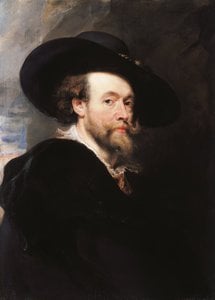
1577 - 1640 , 독일

Explore the dramatic brilliance of the Flemish Baroque movement. Discover how masters like Peter Paul Rubens utilized chiaroscuro and dynamic composition to redefine art history through light, shadow, and unparalleled emotion.

Explore the breathtaking drama of the Baroque era. From the mastery of chiaroscuro to epic mythological narratives, discover a definitive guide to art's most powerful period of light, shadow, and emotion for the true classical art enthusiast.


최신 미술 뉴스, 특별 혜택 및 인테리어 아이디어를 가장 먼저 만나보세요.
프로젝트에 대해 알려주시면 저희 미술 전문가들이 맞춤형 아트 제안 3가지를 전달해 드립니다.
당신만을 위한 맞춤형 옵션 3가지를 무료로 추천해 드립니다!


 미리보기
미리보기
 프린트 구매
 공유하기
공유하기 공유하기
공유하기
 상세 정보
상세 정보

 다운로드
다운로드
 유사 작품
유사 작품 X-레이
X-레이 슬라이드 쇼

 더 보기
더 보기









 유리 옵션은 110cm 미만 크기에서만 선택 가능합니다.


